Blog

  • Recteq Flagship 1600

    Recteq Flagship 1600

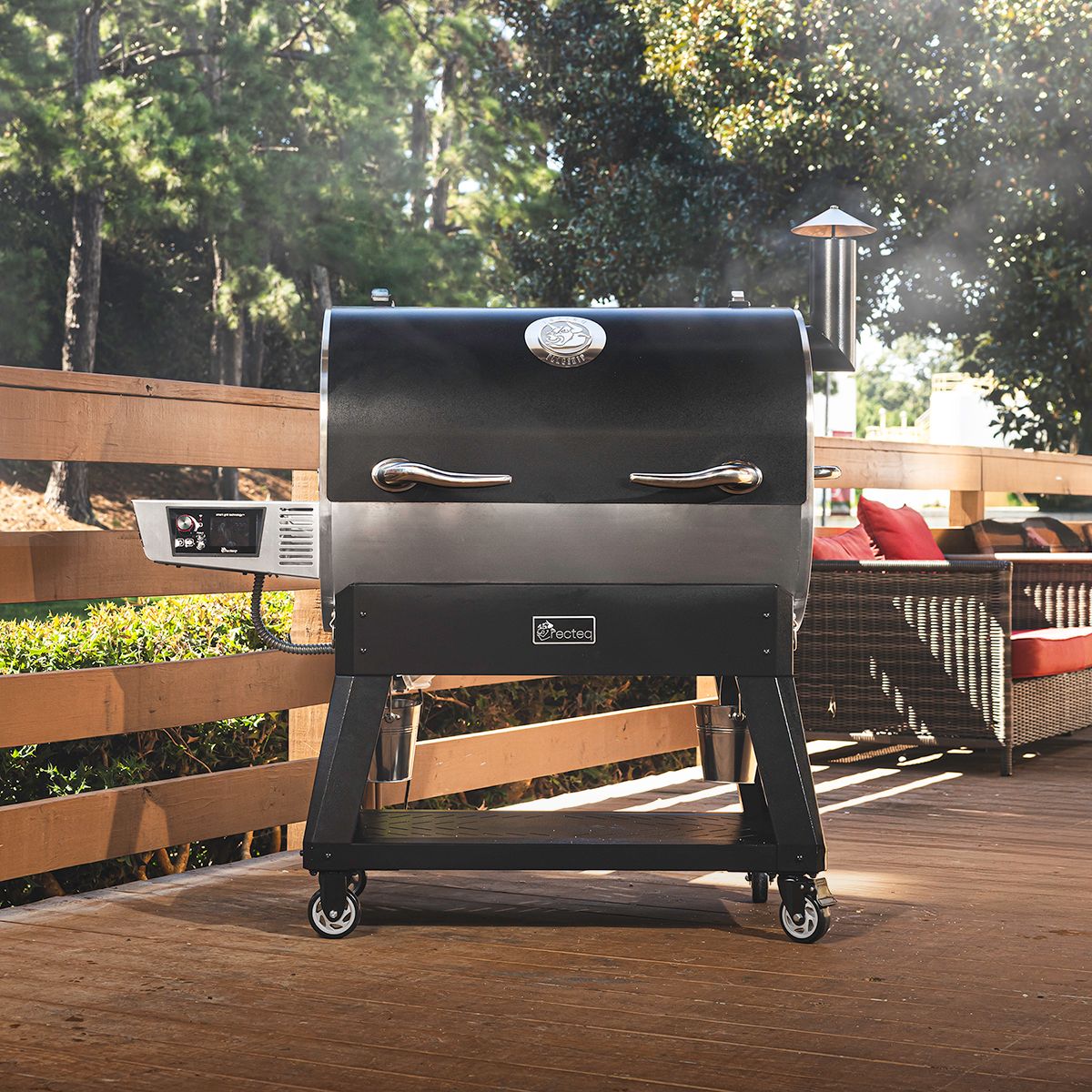
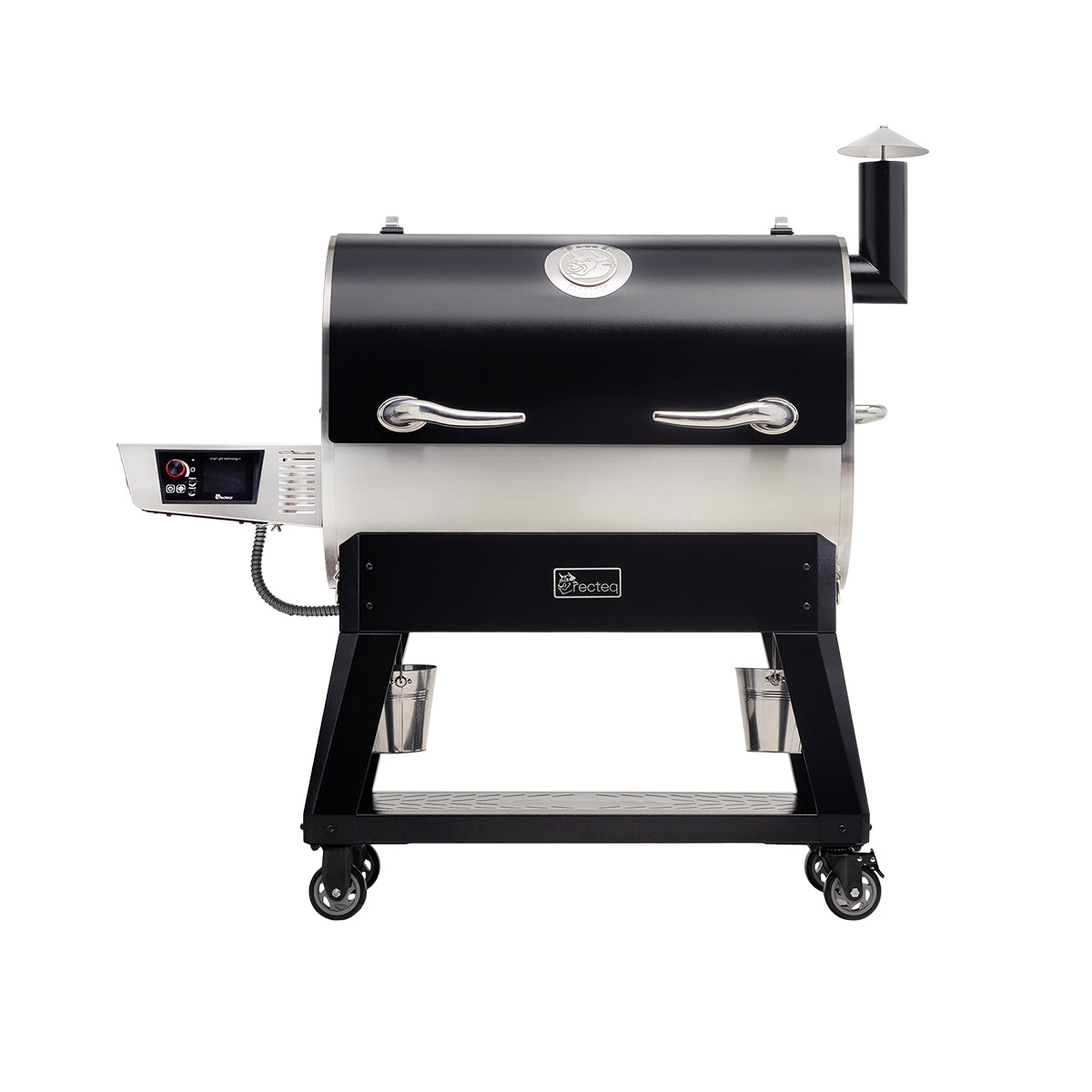
    The recteq Flagship 1600 is the modernized successor to the grill that built recteq’s reputation, and the spec sheet reads like a checklist of what pellet-grill owners actually ask for: 1,667 square inches of cooking space, a 40-pound hopper, a 180–700°F range, and heavy stainless construction backed by a 6-year warranty. At roughly $1,599 list (often seen around $1,350), it delivers premium-tier hardware at a mid-tier price.

    Who it’s for

    This grill is for the serious backyard cook who wants one machine to cover everything: overnight briskets, weeknight chicken thighs, and genuine high-heat searing that most pellet grills fake. The 700°F ceiling and cast-iron heat deflector put it in the small club of pellet grills that can plausibly replace a gas grill. The capacity — recteq says three briskets or 16 racks of ribs across three racks — makes sense for families who entertain, tailgaters, and anyone cooking for a crowd more than a few times a year.

    It is more grill than a two-person household needs, and its footprint and weight rule out tiny patios and frequent transport. Apartment balconies and strict HOA setups should also confirm pellet grills are permitted before buying anything in this class.

    Key specs

    Spec Detail
    Cooking area 1,667 sq in across three racks
    Temperature range 180°F to 700°F, PID-controlled
    Hopper 40 lb capacity; 40+ hours of low-and-slow per fill
    Construction Stainless steel cooking chamber, 304 stainless firepot, cast-iron heat deflector
    Igniter Ceramic, rated for 100,000+ lighting cycles
    Connectivity Dual-band Wi-Fi with recteq app; two included meat probes
    Warranty 6-year limited warranty
    recteq Flagship 1600 pellet grill

    Living with it

    Assembly is a two-person job — this is a heavy, largely steel appliance — but the payoff is a grill that should shrug off weather that rusts out cheaper painted-steel competitors. The stainless cooking chamber and 304 stainless firepot are the parts that matter most, because the firepot endures the harshest heat cycling in any pellet grill and is a common failure point on budget models. The ceramic igniter’s 100,000-cycle rating similarly addresses the most commonly replaced part on older pellet grills, which used hot rods that burned out every few seasons.

    Daily operation is close to set-and-forget. The PID controller holds a target temperature within a tight band by metering pellet feed automatically, and the dual-band Wi-Fi connection to the recteq app lets you adjust temperature, watch both included meat probes, and get alerts from the couch — genuinely useful at hour ten of a brisket cook. The app requirement is optional rather than mandatory: the grill runs fully from its onboard controller if you would rather never pair it.

    Routine upkeep is the standard pellet-grill drill: vacuum ash from the firepot every few cooks, empty the grease management system, and keep pellets dry — moisture is the number one cause of auger problems on any brand. The 40-pound hopper is a real quality-of-life feature here; on paper it means an entire weekend of cooking, including a full overnight cook, without a 3 a.m. pellet top-off. Plan on a quality cover, because even good stainless appreciates one, and clear a spot near an outlet since pellet grills need household power.

    Cost of ownership

    Pellets are the recurring cost: figure roughly one to three pounds per hour depending on temperature, so a long brisket cook consumes perhaps $10–20 of hardwood pellets at typical US prices of around $15–20 per 40-pound bag. A weekly griller might spend $200–400 a year on fuel. Electricity is negligible — the igniter draws briefly at startup, then the fan and auger sip power. Ongoing parts costs should be low given the ceramic igniter and stainless firepot, and recteq’s 6-year warranty is among the longest in the category, roughly double what Traeger offers. Budget for a cover and an occasional deep-clean; there are no filters, water pans, or proprietary consumables beyond pellets.

    How it compares

    The Traeger Ironwood XL is the brand-name alternative at a higher price, with a slicker app ecosystem and huge accessory availability, but it tops out well below 700°F and carries a shorter warranty. The Yoder YS640S is the step-up choice — thicker American-made steel and a competition pedigree — at nearly double the money and without matching the Flagship’s included capacity per dollar. The Camp Chef Woodwind Pro 36 costs about the same and counters with a clever smoke box for burning real wood chunks, appealing to buyers chasing maximum smoke flavor, though its build relies less on stainless. Spec for spec, the Flagship 1600 gives up little to any of them while undercutting most on price.
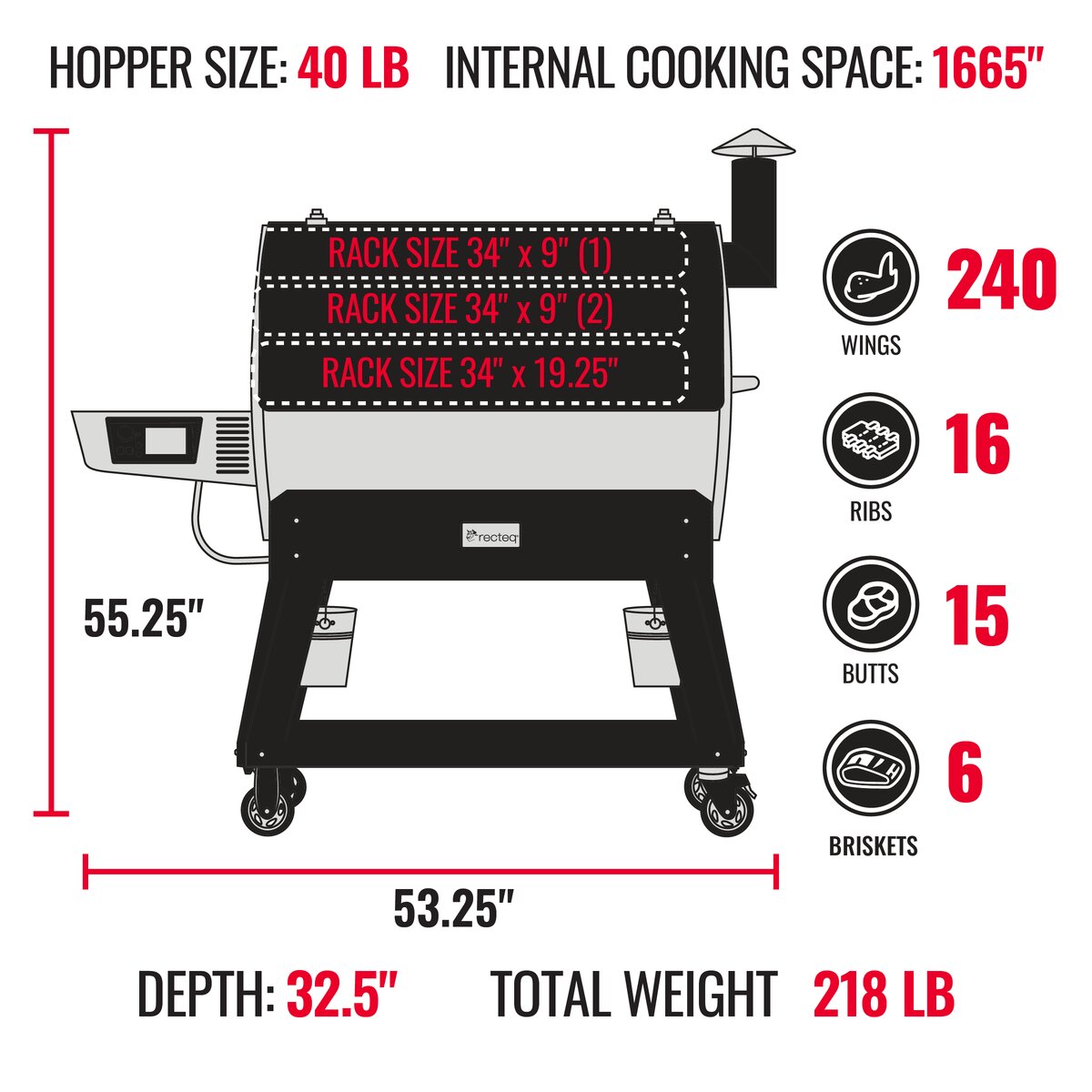
    recteq Flagship 1600 cooking area

    FAQ

    Can the Flagship 1600 actually sear?

    Better than most pellet grills. The 700°F maximum and cast-iron heat deflector are designed to produce real direct-style searing heat, where many competitors plateau around 500°F. It still will not match an open-flame gas sear station or charcoal chimney for pure crust-in-seconds performance, but for a single do-everything grill it is one of the strongest searing setups in the category.

    How long will a 40-pound hopper actually last?

    recteq rates it at over 40 hours of continuous low-temperature cooking. At smoking temperatures around 225°F, pellet consumption of roughly one pound per hour makes that claim arithmetically reasonable. High-heat grilling burns pellets about twice to three times as fast, so expect a weekend of mixed cooking per fill rather than a month.

    Do I need Wi-Fi to use it?

    No. The onboard PID controller handles everything locally. Wi-Fi and the recteq app add remote monitoring, probe alerts, and temperature changes from your phone — features most owners end up using constantly on long cooks, but the grill is fully functional without them.

    Bottom line

    The Flagship 1600 hits the sweet spot of the pellet-grill market: near-premium stainless construction, huge capacity, a genuine high-heat ceiling, and a 6-year warranty at a price hundreds below comparable rivals. Buy it if you cook for groups, run long smokes, and want one durable grill to do it all for a decade. Skip it if you grill for one or two people, have a small patio, or prioritize maximum wood-fire smoke flavor above all else — a smaller recteq or the Camp Chef Woodwind Pro serves those buyers better. For the committed backyard cook, it is the default recommendation in its price class.

    Recteq Flagship 1600 review note for 2026 buyers

    Recteq now lists the Flagship 1600 at 1,656 square inches of grill space, a 40-lb hopper, and a 180°F to 700°F temperature range. That keeps the RT-1600 in the “buy it for capacity” lane: it makes the most sense if you regularly cook for a crowd, want long overnight pellet cooks, or need enough grate area for multiple briskets or rib racks.

    The trade-off is that a grill this large is overkill for a small patio or a two-person household. If you are mainly searing weeknight steaks, the Flagship 1600’s size, pellet use, and footprint are harder to justify than a smaller pellet grill or a gas grill with a dedicated sear zone.

    Flagship 1600 FAQ

    How much cooking space does the Recteq Flagship 1600 have?

    Recteq lists 1,656 square inches of grill space on the current product page.

    How hot does the Recteq Flagship 1600 get?

    Recteq lists a 180°F to 700°F temperature range, which is wider than many pellet grills. As with any pellet grill, real searing performance still depends on grate setup, warm-up time, and how much direct heat reaches the food.
  • Mammotion LUBA 2 AWD 10000X

    Mammotion LUBA 2 AWD 10000X

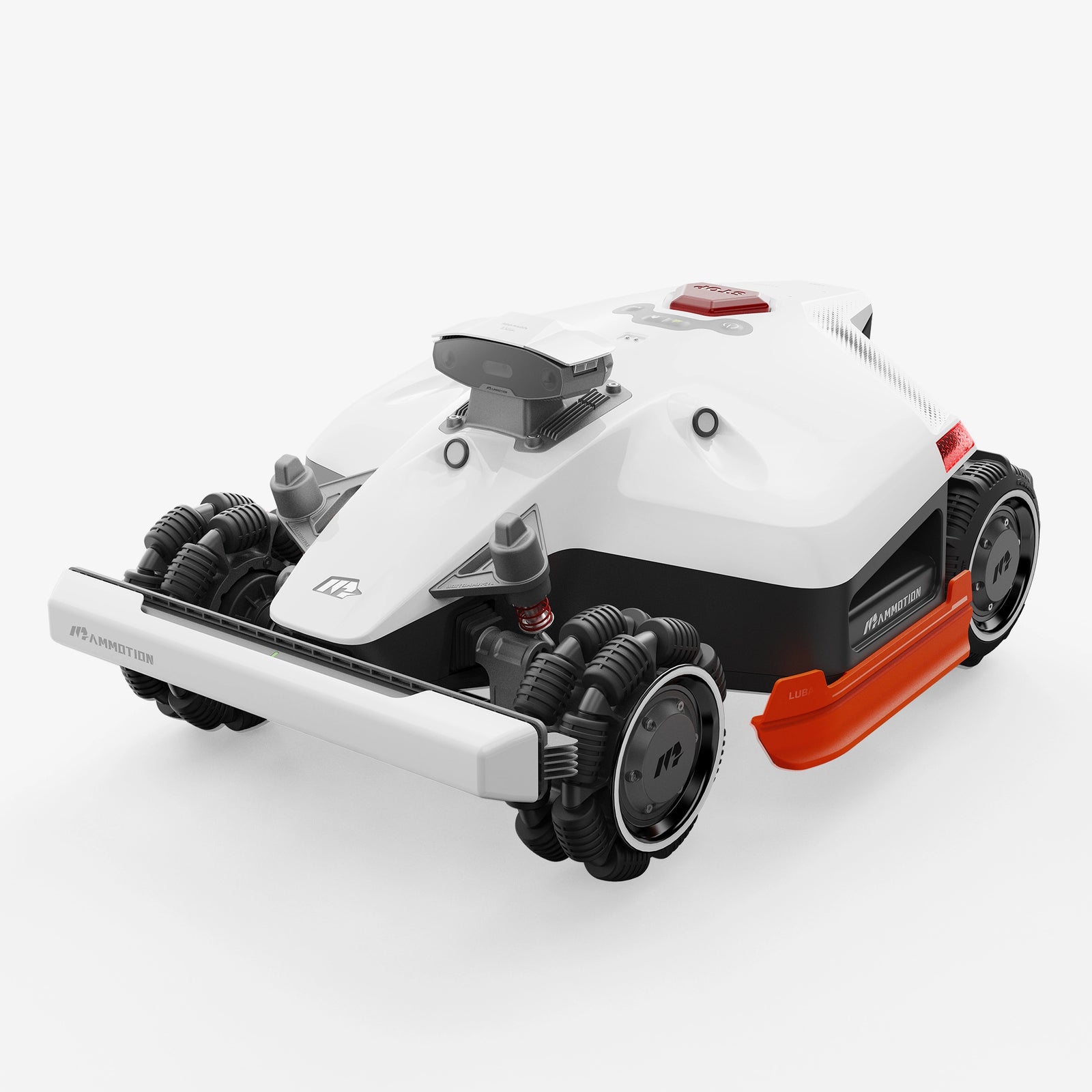
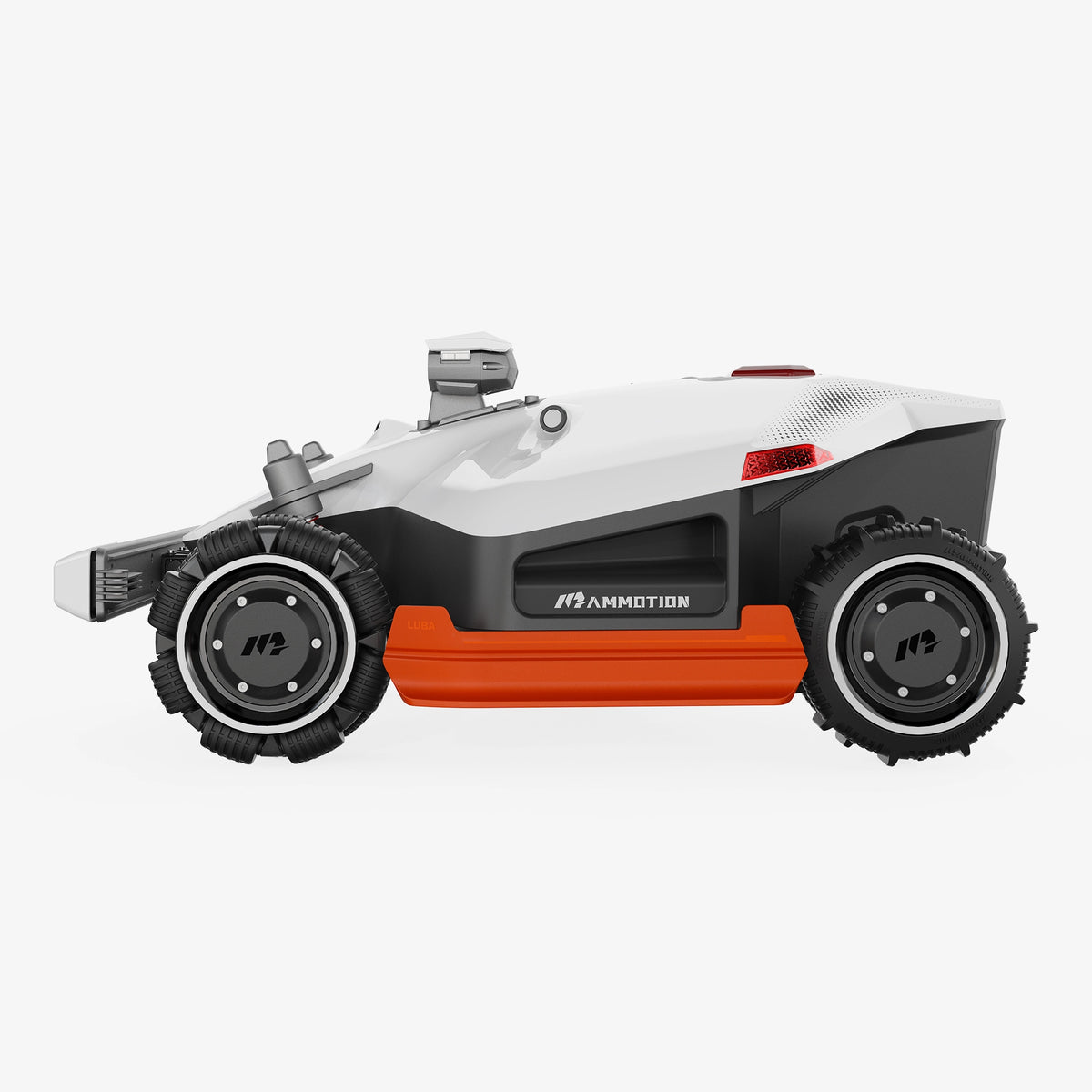
    The Mammotion LUBA 2 AWD 10000X is one of the few robot mowers that can honestly claim to handle big, steep, complicated American yards without a boundary wire. With RTK satellite positioning fused with AI vision, all-wheel drive rated for 80 percent slopes, and coverage up to 2.5 acres, it is engineered for exactly the properties that defeat cheaper robots. At a $4,499 list price — frequently discounted — it is a serious investment that mostly earns it.

    Model-name note: This review covers the Mammotion LUBA 2 AWD 10000X, the 2.5-acre version of the LUBA 2 AWD line. If you are comparing it with the newer LUBA 2 AWD 5000X, the practical difference is yard size: the 10000X is for the largest lawns, while the 5000X makes more sense when 1.25 acres is enough.

    Who it’s for

    This machine targets owners of large suburban and semi-rural lots: half an acre to 2.5 acres, especially with slopes, ditches, multiple zones separated by paths, or complex landscaping. If you are currently paying a lawn service $150 to $250 a month or losing every summer weekend to a riding mower, the math and the appeal are obvious. The AWD drivetrain and adaptive design specifically address hillsides, uneven ground, and rough transitions where two-wheel-drive robots spin out or beach themselves.

    It is overkill for small, flat city lots — Mammotion and competitors sell far cheaper models for those — and it is the wrong tool for yards with heavy tree canopy blocking sky view everywhere, since RTK positioning still wants reasonable satellite reception for initial mapping, even though vision assist helps it bridge signal dead zones.

    Key specs

    Spec Detail
    Coverage Up to 2.5 acres (10,000 m²); ~0.37 acre per charge
    Navigation RTK GNSS + UltraSense AI vision, no boundary wire
    Slope capability 80% (38°) max climb; 45% (24°) along edges
    Cutting width / height 15.7 in dual discs; 1.0–2.7 in, app-adjustable
    Runtime Roughly 180 minutes per charge
    Zone management Up to 100 mowing zones with per-zone settings
    Anti-theft GPS tracking, 4G (one year included), alarms, ownership lock
    Warranty 3-year warranty; 30-day returns
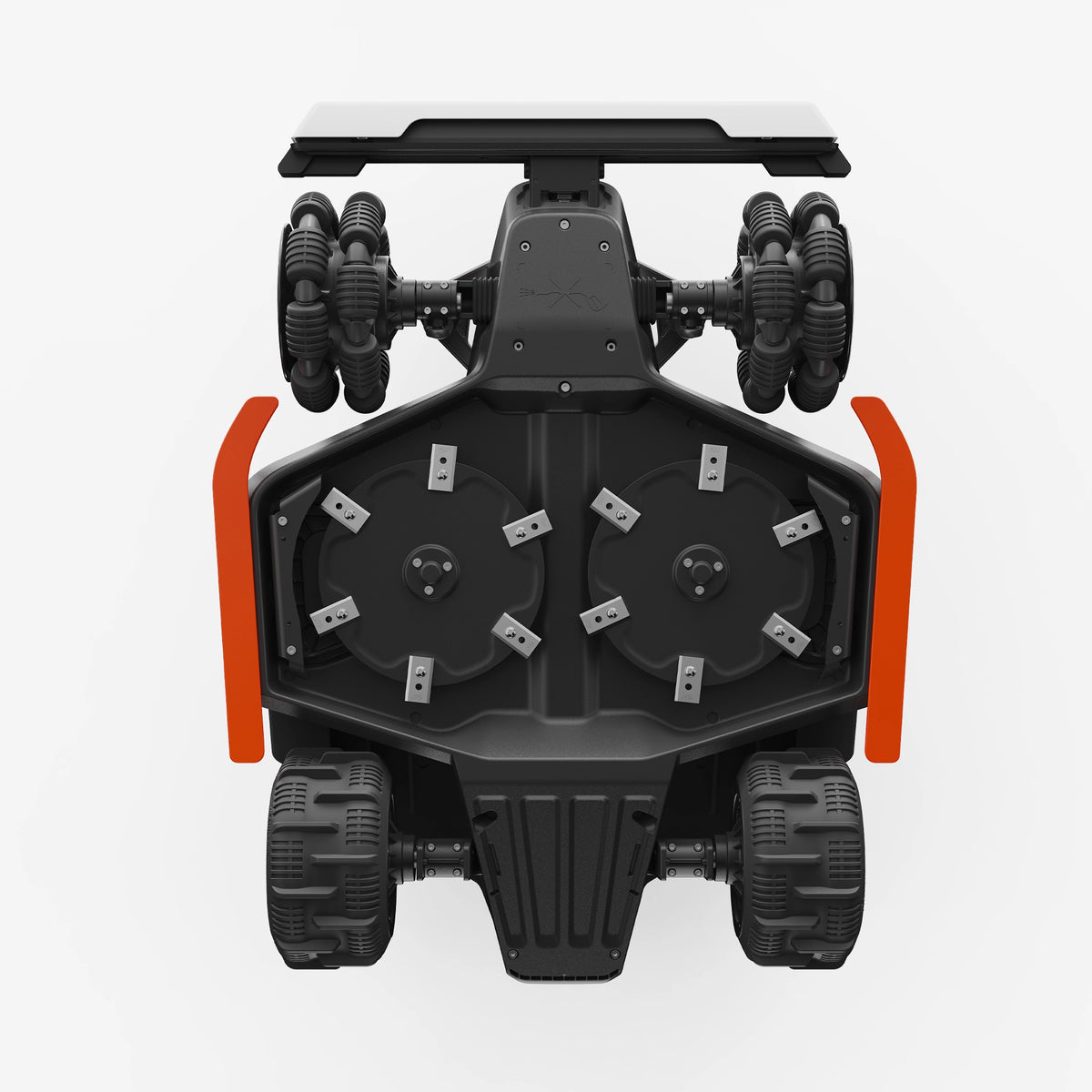
    Mammotion LUBA 2 AWD 10000X

    Living with it

    Setup is a weekend-morning project, not a plug-and-play affair. You mount the RTK reference antenna somewhere with clear sky view, place the charging dock, then drive the mower around your property’s perimeter with the app to build the map. On a complex 2-acre lot with multiple zones, expect a few hours of mapping and refinement. Once mapped, the payoff is real: the mower cuts in efficient straight passes rather than the random bounce pattern of old-school robots, and it supports up to 100 zones with individual schedules, heights, and directions — including novelty “lawn printing” patterns like stripes and checkerboards.

    The app is mandatory, full stop. Scheduling, height adjustment, zone editing, no-go areas, and firmware updates all live in the Mammotion app, so buyers who hate app-dependent hardware should understand that going in. Connectivity comes via Bluetooth, Wi-Fi, and an included 4G link (free for the first year), which enables remote monitoring and GPS anti-theft tracking wherever the mower is.

    Day to day, ownership means occasional babysitting rather than labor. Vision-based obstacle detection distinguishes tall grass from actual obstacles and avoids toys, hoses, and pets in its path, but no robot is perfect: small debris like fallen branches, wire fencing edges, and freshly planted beds are worth marking as no-go zones. Plan to clear grass clippings from the deck and inspect the discs periodically, and bring the unit indoors for winter storage in freezing climates, as with any lithium-battery outdoor robot.

    Cost of ownership

    Consumables are refreshingly cheap. The cutting system uses small pivoting razor blades — six per disc — that cost a few dollars each and take minutes to swap with a screwdriver; heavy use typically means replacing blades every one to two months for a clean cut. Electricity for a robot mowing a couple of acres runs a few dollars a month at typical US rates. The 4G service is free for year one; after that, factor a modest annual subscription if you want cellular tracking rather than Wi-Fi-only connectivity.

    Mammotion’s 3-year warranty is above the category norm and matters on a machine with this many motors and sensors. The battery is the long-horizon cost: like all lithium packs, expect gradual capacity fade over several seasons. Against a $1,800-plus annual lawn service bill for a property this size, the 10000X can plausibly pay for itself in two to three seasons.

    How it compares

    The Husqvarna Automower 450X EPOS line is the establishment alternative — a mature dealer network and proven reliability, but you pay more for less slope capability, and dealer-installed setup adds cost. Segway’s Navimow H-series undercuts Mammotion meaningfully on price and is excellent on simpler lawns, but its slope ratings and coverage ceiling are far below the 10000X’s, so it is not a real rival for steep 2-acre properties. Mammotion’s own LUBA 2 AWD 5000 covers 1.25 acres for less money — the honest question for many buyers is whether they truly need the 10000X’s coverage or are paying for acreage they do not have.

    Mammotion LUBA 2 AWD 10000X

    FAQ

    Does the LUBA 2 need a perimeter wire?

    No. It maps your lawn virtually using RTK satellite positioning paired with an onboard reference antenna, refined by AI vision. You define boundaries, no-go zones, and channels between zones entirely in the app, and you can edit them any time without digging up wire.

    Will it work if trees block satellite signal?

    Partially shaded yards are fine: the vision system lets it continue accurately through signal interruptions — Mammotion cites up to 984 feet of dead-reckoning. But RTK still needs decent sky view for the reference station and initial mapping, so a yard under total dense canopy is a poor fit. Check your sight lines before buying.

    How steep a hill can it actually mow?

    The AWD system is rated for 80 percent (38°) slopes in open lawn and 45 percent (24°) along boundaries. That is among the best ratings in the industry and covers the vast majority of residential hillsides. Wet grass on maximum-grade slopes remains the practical limit for any mower, robot or human.

    LUBA 2 AWD 10000X vs 5000X: which one should I buy?

    Buy the 10000X only if your mapped mowing area is close to the top of Mammotion’s 2.5-acre rating or you want the largest coverage buffer. The 5000X is the more rational pick for many large suburban yards because it targets about 1.25 acres for less money while keeping the same no-wire, AWD positioning idea.

    Bottom line

    The LUBA 2 AWD 10000X is the robot mower to buy when the yard itself is the problem: big, steep, multi-zone, and wire-hostile. The RTK-plus-vision navigation, AWD traction, and 3-year warranty justify the price for owners of large sloped properties who are done with weekend mowing. Skip it if your lawn is under half an acre or mostly flat — a cheaper model will do the same job — or if your property sits under unbroken tree canopy. For the right yard, it is about as close to fire-and-forget lawn care as the current technology gets.

  • Aventon Abound LR

    Aventon Abound LR

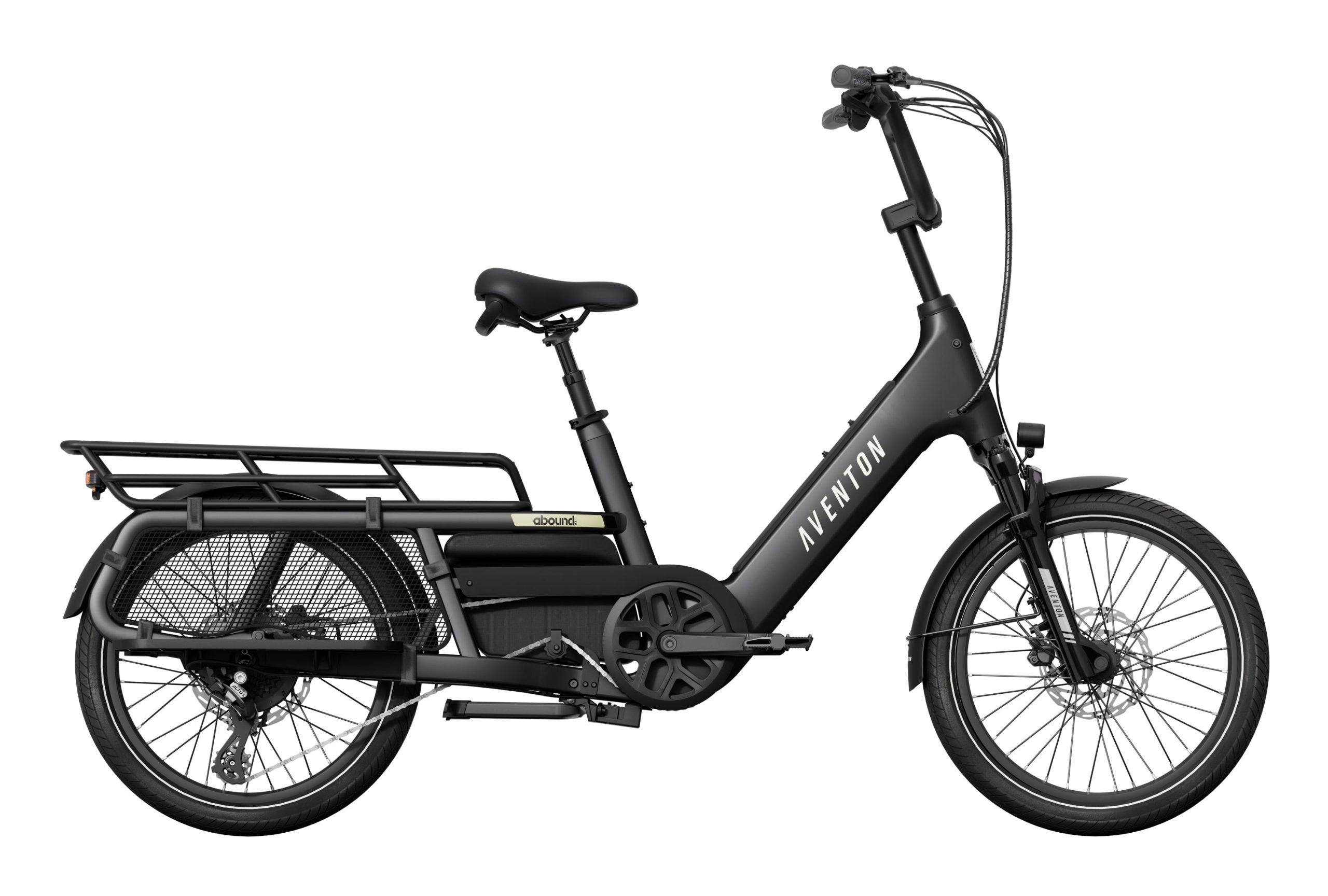
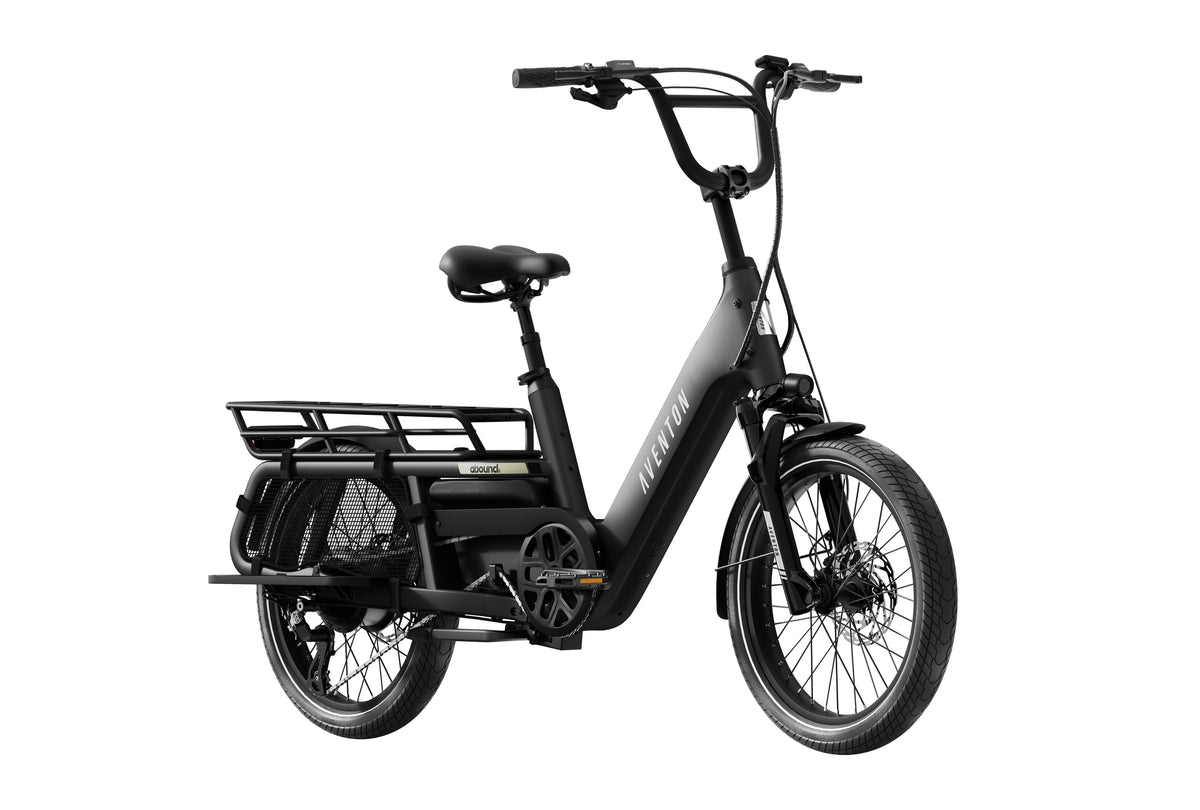
    The Aventon Abound LR is the rare cargo e-bike that undercuts the competition on price while overdelivering on security tech. At $1,999, you get a 750W torque-sensing drivetrain, a 733Wh battery rated for up to 60 miles, a 440-pound payload, and an integrated 4G anti-theft system that rivals charge thousands more to match. On paper, it is one of the strongest value propositions in the long-tail cargo category right now.

    Who it’s for

    The Abound LR is built for the car-replacement crowd: parents hauling one or two kids to school, commuters running grocery loads, and anyone who wants a do-everything utility bike without spending Tern money. The step-through frame fits riders from 4’11” to 6’3″, which matters in multi-rider households where one bike has to serve two very different people. Because it ships as a Class 2 e-bike with a throttle, it also suits riders who want the option to rest their legs on the last hill home with a week’s groceries on the back.

    It is not the right pick for riders who need to carry the bike upstairs — at 88 pounds before cargo, this is a ground-floor-storage machine — or for anyone who wants a nimble, single-track-capable ride. This is a truck, not a sports car.

    Key specs

    Spec Detail
    Motor 750W (1,188W peak) rear hub, 80Nm torque, torque sensor
    Battery 36V, 20Ah / 733Wh removable pack with LG 21700 cells
    Claimed range Up to 60 miles
    Payload capacity 440 lbs total; 143 lbs on the rear rack
    Brakes Tektro hydraulic disc, 180mm front / 203mm rear rotors
    Drivetrain Shimano 8-speed, 52T chainring
    Weight / wheels 88 lbs; 20″ x 3.0″ tires
    Warranty 2 years on components; lifetime frame with registration
    Aventon Abound LR

    Living with it

    Assembly is typical for a consumer-direct cargo bike: the Abound LR arrives mostly built, and you should budget an hour or two for handlebars, pedals, fenders, and accessory mounting — or pay a local shop for assembly, which is worth it on a bike this heavy. Fenders, a long rear rack, wheel guards, footboards, and a lockable frame bag come standard, so you are not immediately shopping the accessory catalog just to make the bike useful.

    The standout ownership feature is the integrated ACU (Aventon Control Unit) with a 4G chip. Through the Aventon app you get GPS location tracking, a motion-triggered alarm, remote lockout, and a startup passcode on the display. For a bike that will live locked outside grocery stores, that is genuinely useful rather than gimmicky — comparable connected-security setups have mostly been limited to premium European cargo bikes. Note that the 4G-dependent features rely on Aventon’s connectivity service, so factor the app relationship into your buying decision.

    The torque sensor deserves a mention for daily ridability. Cheaper cargo bikes use cadence sensors that surge on and off; a torque sensor meters power against how hard you pedal, which makes a loaded bike far less jerky when pulling away from a stop with a child on the back. Combined with the 80Nm hub motor, the spec sheet suggests confident starts on moderate hills, though a heavily loaded hub-drive bike on sustained steep grades will always work harder than a mid-drive.

    Charging the 733Wh battery takes about five hours, and the pack is removable, so apartment dwellers can bring the 8.7-pound battery inside while the bike stays in the garage or on a porch.

    Cost of ownership

    Electricity is a rounding error: a full charge of a 733Wh pack costs roughly a dime to fifteen cents at average US rates, so even daily charging runs a few dollars a month. Real costs come from wear items. The 20″ x 3.0″ tires are a common size with affordable replacements, and brake pads will wear faster than on a lighter bike because you are hauling more mass — budget for pads at least annually under heavy use. The 8-speed Shimano drivetrain is inexpensive to service, with chains and cassettes among the cheapest in the industry.

    Aventon covers components for two years and the frame for life with registration, which is competitive at this price. The battery is the big long-term line item: expect meaningful capacity fade after several hundred full cycles, and price a replacement pack into your five-year math. A sturdy chain lock or folding lock is a wise addition despite the built-in alarm — electronics deter, but hardened steel prevents.

    How it compares

    The Lectric XPedition 2.0 is the value fighter, starting several hundred dollars cheaper with an even higher payload rating and a dual-battery option. But the Abound LR counters with hydraulic brakes at every trim, the torque sensor, and the 4G security suite the Lectric lacks. The Rad Power RadWagon 5, at around $2,099, is a longtime category benchmark with a huge accessory ecosystem, but on paper it gives up the Abound’s connected anti-theft features. At the premium end, the Tern GSD offers a mid-drive motor, superior build refinement, and vertical storage — for roughly double to triple the price. The Abound LR’s pitch is simple: 80 to 90 percent of the utility at a fraction of the cost.

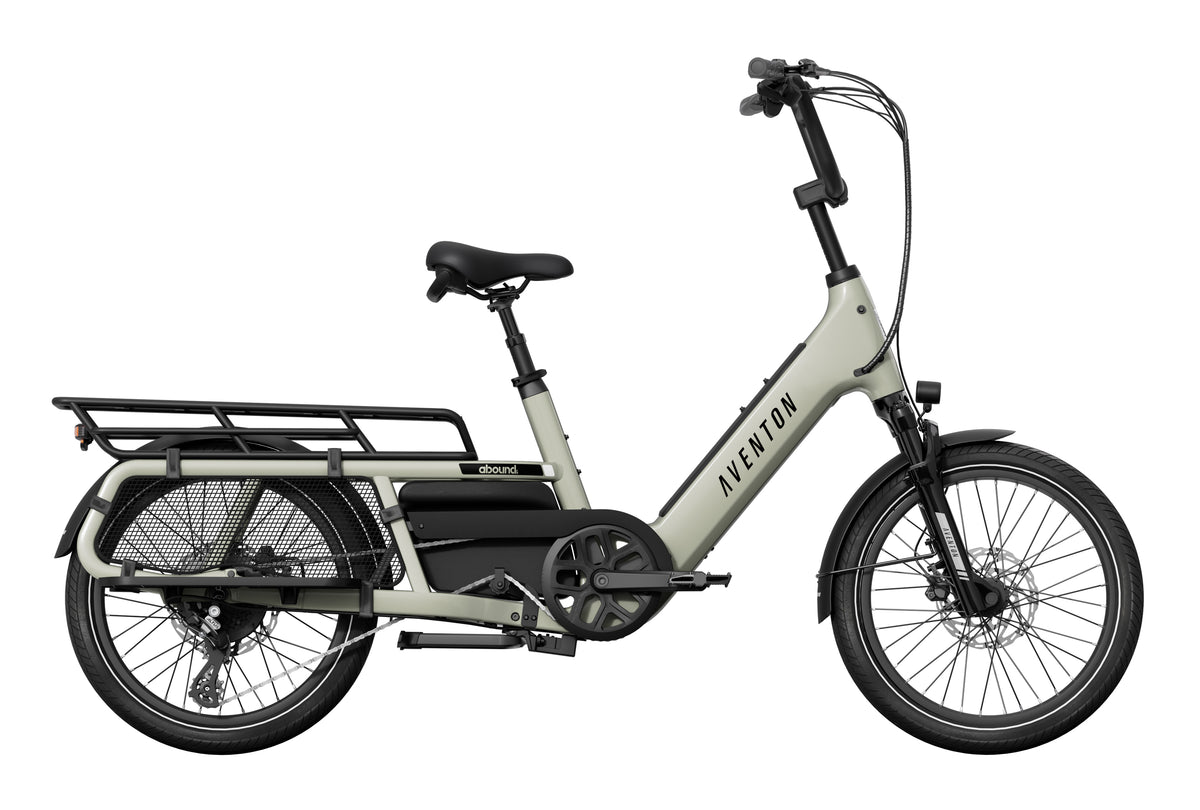
    Aventon Abound LR

    FAQ

    How fast does the Aventon Abound LR go?

    It ships as a Class 2 e-bike, meaning pedal assist and throttle up to 20 mph. That is the sensible configuration for a loaded cargo bike, and it keeps the bike legal on most US bike paths. Check your local rules before changing any assist settings in the app.

    Can it really carry two kids?

    The rear rack is rated for 143 pounds, and the 440-pound total payload leaves ample margin for an adult rider plus two small children with seats or pads. The long-rack design exists specifically for this use case; just verify your child-seat hardware is compatible with the rack before ordering accessories.

    What real-world range should I expect?

    The 60-mile claim reflects low assist under light load. With a loaded rack, hills, and higher assist levels, planning around 25 to 40 miles is more realistic based on the 733Wh capacity. For most school-run and errand patterns, that is still several days between charges.

    Bottom line

    The Abound LR sets the current bar for cargo e-bike value: real hauling capacity, a torque sensor, hydraulic brakes, and genuinely useful anti-theft tech for $1,999. Buy it if you want a practical car-trip replacement and have ground-level storage for an 88-pound bike. Skip it if you need a lightweight bike you can carry upstairs, ride aggressive sustained climbs fully loaded, or want the refinement and mid-drive feel of a premium European cargo bike. For everyone in between, it is the first bike to cross-shop in this category.

  • Velotric Breeze 1

    Velotric Breeze 1

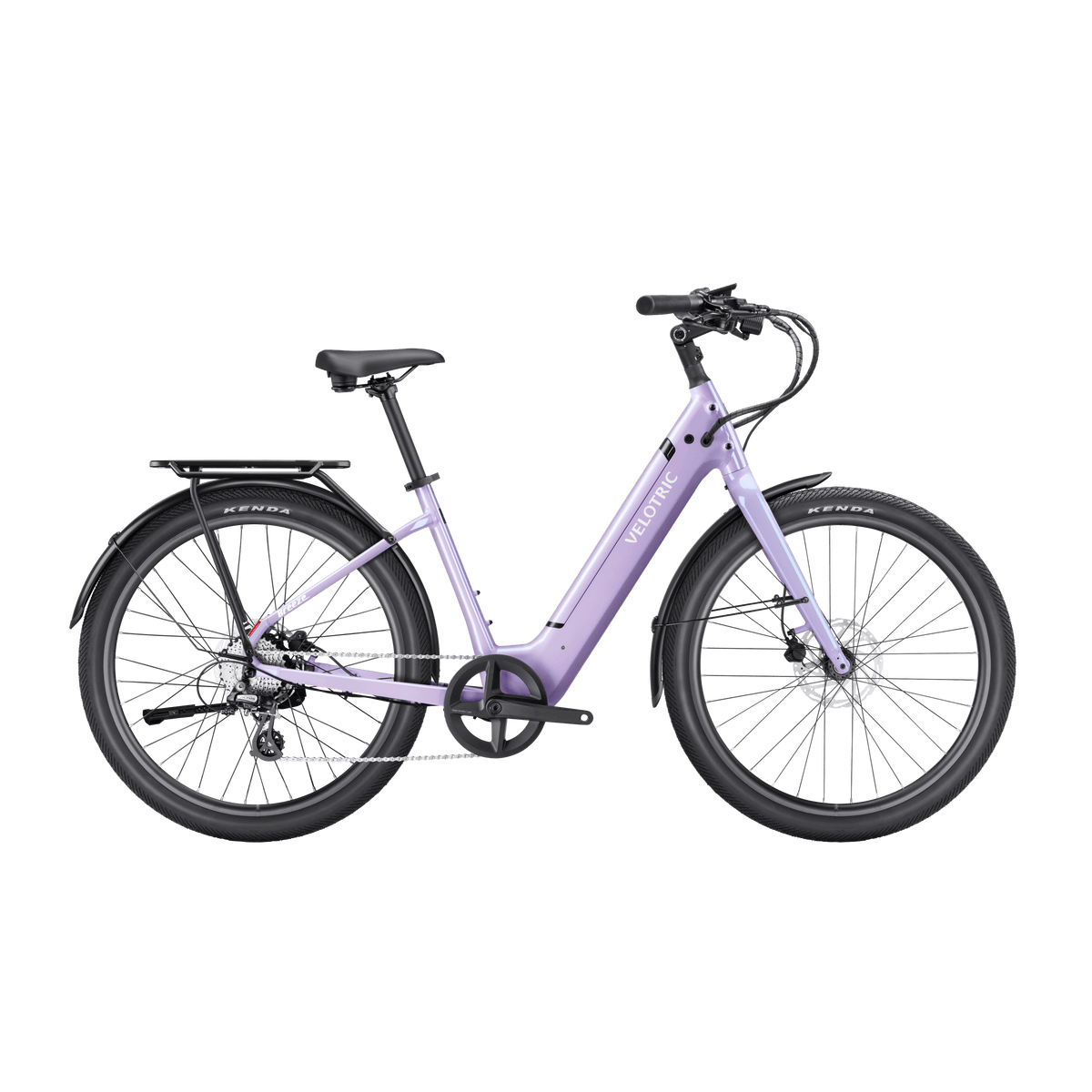
    The Velotric Breeze 1 attacks the biggest problem with affordable e-bikes — they’re tanks — by delivering a 750W motor and a 627Wh battery in a package right around 50 lbs. On paper, that combination barely exists at its $1,799 price: most cruisers with this much power weigh 65–75 lbs, and most bikes this light give up power or range. If your riding is pavement and boardwalk rather than trail, this is arguably the smartest bike in Velotric’s lineup.

    Who it’s for

    The Breeze 1 fits riders who want an easy, upright, comfortable ride and who feel the weight of a bike every day: apartment dwellers who carry bikes up steps, anyone lifting onto a car rack, smaller riders who find 70 lb e-bikes intimidating to walk and park, and returning cyclists who want pedaling to feel like cycling rather than piloting. The step-thru frame with a low 15″ standover, Dutch-style bars, and a sprung saddle set an unmistakably relaxed posture, and the two frame sizes cover roughly 4’11” to 6’4″.

    It’s not for off-roaders — there’s no suspension, and the 27.5×2.2″ tires are street rubber — and its 330 lb payload, while adequate for most, is far below the Nomad 2X‘s 560 lbs, so heavy riders hauling heavy cargo should look elsewhere.

    Key specs

    Spec Velotric Breeze 1
    Motor 750W rear hub, 1,150W peak, 65 Nm torque
    Battery 48V, 13.4Ah (627Wh), UL 2271, IPX7, ~7.9 lbs
    Range Up to 70 mi claimed; ~36–74 mi across independent test conditions
    Top speed / class Class 2 out of the box (20 mph), unlockable to Class 3 (28 mph)
    Brakes Tektro 2-piston hydraulic disc, 180mm rotors
    Drivetrain Shimano Altus 8-speed, 46T chainring, 11-32T cassette
    Weight / payload ~50 lbs with battery / 330 lbs
    Display 3.5″ color LCD, Bluetooth, USB-C, turn signals, Apple Find My
    Velotric Breeze 1

    Living with it

    The weight advantage compounds in daily life. At about 50 lbs — and roughly 42 with the battery out — the Breeze 1 sits at the edge of what one adult can carry up a short flight of stairs and comfortably within what standard hitch racks and even some trunk racks can handle. That alone widens where the bike can live: a hallway, a first-floor closet, a car trunk with the wheel off, rather than only a garage.

    The 7.9 lb battery pops out for indoor charging on the included 3-amp charger; based on the pack size, a full charge from empty should take roughly 4.5 hours. Practical range planning from published test figures: mid-30s miles if you cruise fast at high assist, up toward 60–70 miles at gentle assist levels. For a 10-mile round-trip commute, that’s a charge every week or so.

    Comfort comes from geometry and touchpoints — swept bars, ergonomic grips, spring saddle — rather than suspension, which is the right trade for a lightweight bike but means you’ll feel broken pavement through the fork. Running the 2.2″ tires toward the lower end of their pressure range softens things noticeably. Maintenance is minimal: hydraulic brakes need pads occasionally, the 8-speed drivetrain is corner-bike-shop simple, and there are no suspension pivots or air pressures to service. The tech layer — turn signals, cruise control, motor temperature monitoring, Apple Find My for theft tracking — is unusually complete for a cruiser under $2,000.

    Cost of ownership

    Velotric backs the Breeze 1 with its 2-year warranty on electrical components, including the motor and battery — a real differentiator, since several rivals in this price class still offer one year. The battery is UL 2271 certified, which matters both for safe indoor charging and increasingly for apartment-building and insurance requirements. A replacement pack should run several hundred dollars (plan on roughly $400–$500 for this capacity class), likely 3–5 years out for a typical rider given normal charge-cycle life.

    Running costs are among the lowest in Velotric’s range: standard-size street tires are cheap and long-wearing, the lighter bike is easier on brake pads than the 80 lb Nomad 2X, and electricity for a full charge costs pennies. Budget for a basic tune-up in the first few hundred miles (spoke tension, brake bedding, shifting adjustment) as with any direct-to-consumer bike.

    How it compares

    Inside the Velotric family, the Breeze 1 is the pavement specialist. The Nomad 2X costs $600 more and brings full air suspension, fat tires, and a 560 lb payload — worth it only if you genuinely ride rough terrain, because you pay for it with 30 extra pounds. The Triker serves riders who need three-wheel stability and cargo capacity and accept ~98 lbs of vehicle in exchange. If you can balance a bike and stay mostly on pavement, the Breeze 1 beats both on price, weight, and everyday usability.

    Against the broader market, the Aventon Pace is the closest rival — similarly upright and torque-sensor equipped, competitively priced, but generally heavier for equivalent power. Budget cruisers like the Ride1Up Turris undercut the Breeze 1 by several hundred dollars but typically with smaller batteries, cadence-only sensors, and shorter warranties. Premium lightweight cruisers (Electra’s Go! line and similar) match the weight but at notably higher prices with smaller motors. The Breeze 1’s pitch — full 750W power, big-brand feature set, ~50 lbs, under $1,800 — is a combination few competitors match on paper.

    Velotric Breeze 1

    FAQ

    How much does the Velotric Breeze 1 weigh?

    About 50 lbs with the battery installed, and roughly 42 lbs with the 7.9 lb battery removed. That’s 15–25 lbs lighter than most 750W cruiser e-bikes, and it’s the single biggest reason to choose this bike — it changes how you store, transport, and handle it every day.

    Is the Breeze 1 a Class 2 or Class 3 e-bike?

    It ships as a Class 2 (20 mph, pedal assist plus throttle) and can be unlocked to Class 3 speeds up to 28 mph via the display or app. Throttle operation remains a 20 mph function; check local rules, since Class 3 bikes are restricted on some multi-use paths.

    What is the real-world range of the Breeze 1?

    Velotric claims up to 70 miles. Independent testing spanned roughly 36 miles (fast, high-assist riding) to 74 miles (low assist). A practical planning figure for mixed riding at moderate assist is 40–55 miles; cold weather, hills, and heavier riders will trim that.

    Bottom line

    The Breeze 1 is the easiest Velotric to recommend to the most people: full power and real range in a bike light enough to live with, wrapped in a feature set — hydraulic brakes, torque sensing, turn signals, Find My, 2-year warranty — that reads a class above its $1,799 price. Buy it if you ride pavement, value low weight, and want a comfortable upright cruiser that doesn’t feel like a compromise. Skip it if you need suspension for rough surfaces, a payload above 330 lbs, or three-wheel stability — the Nomad 2X and Triker exist for exactly those riders. As a first e-bike or a downsizing move from a heavier one, it’s a standout.

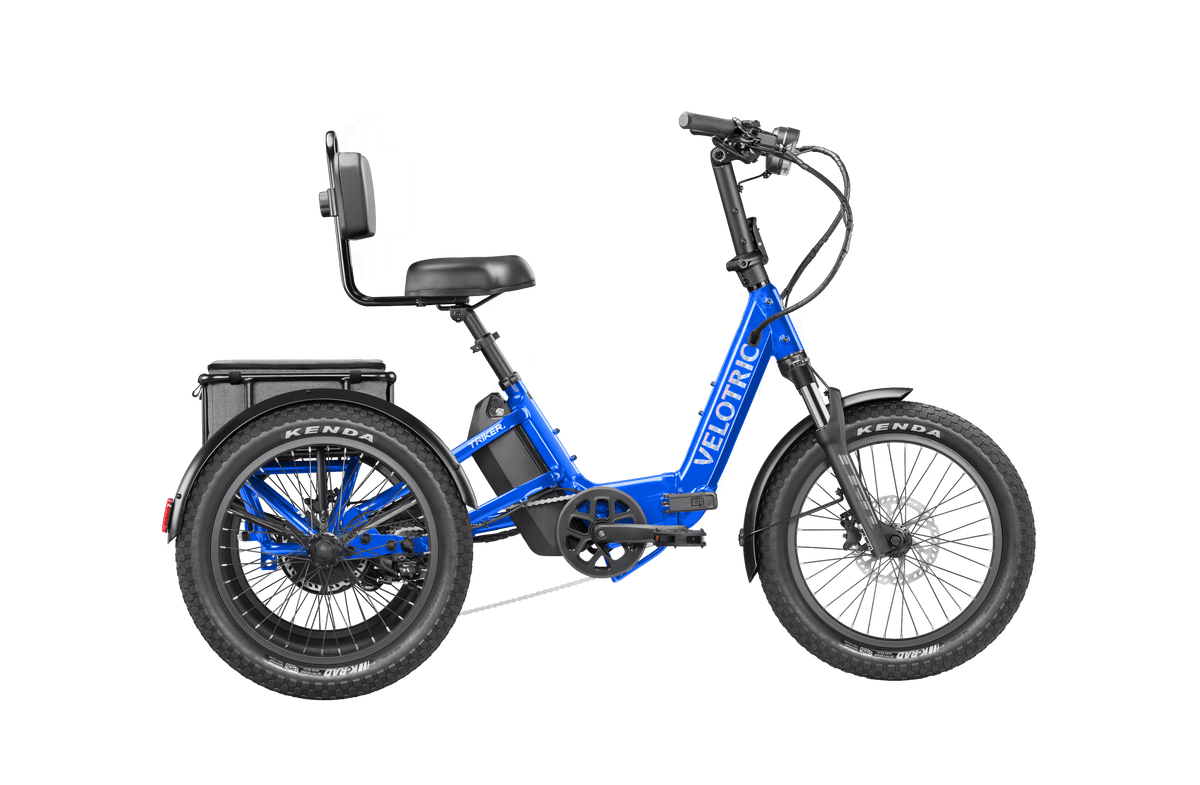
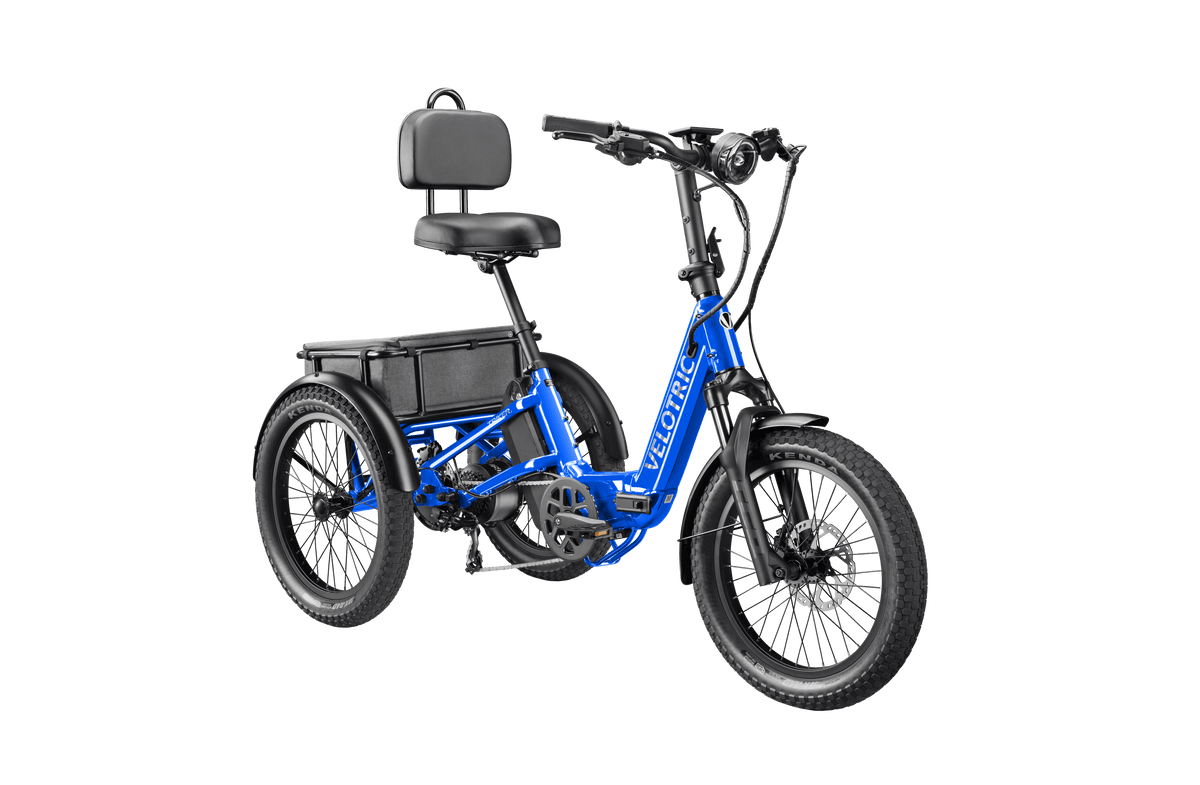
  • Velotric Triker

    Velotric Triker

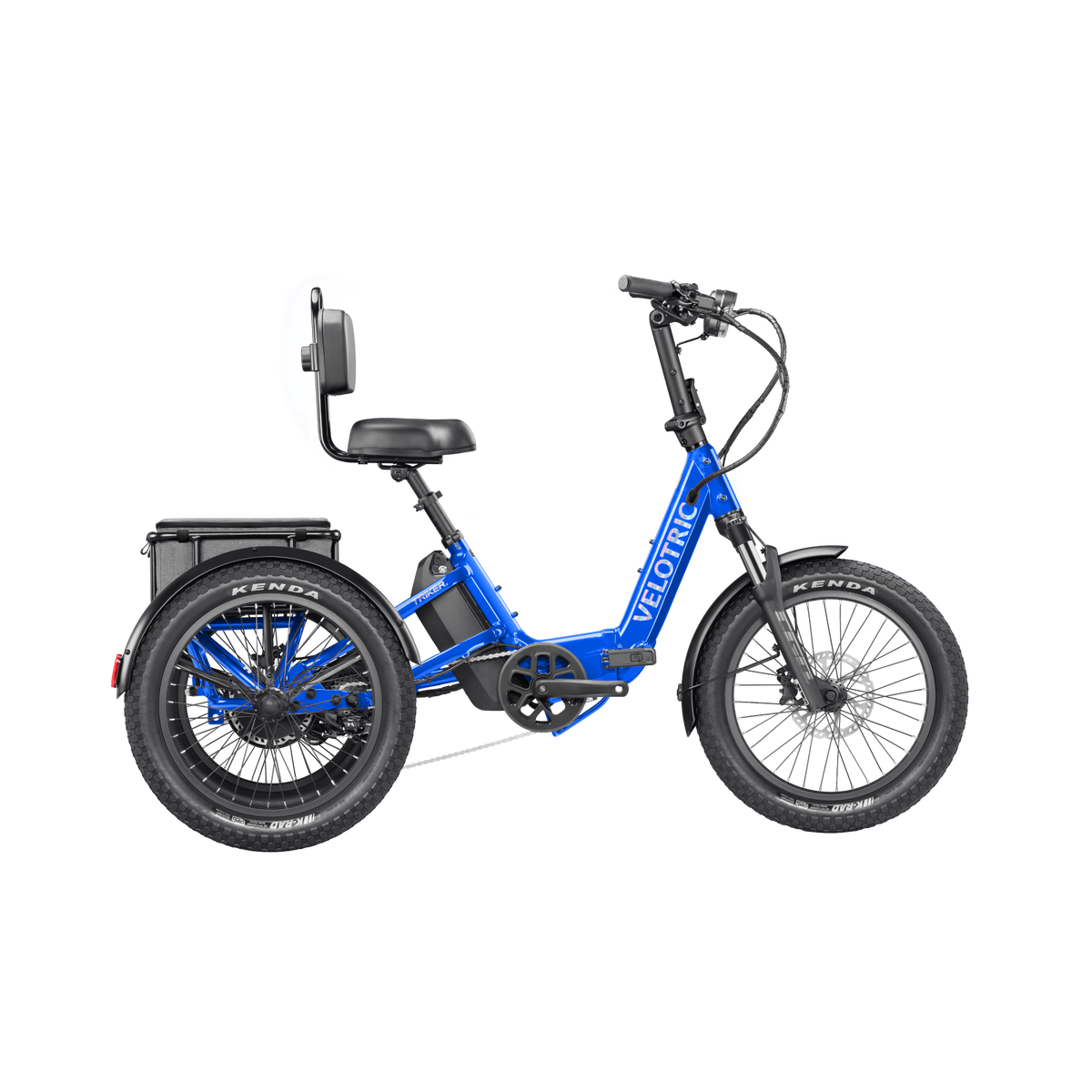
    The Velotric Triker is a serious attempt to drag the adult electric trike category upmarket: a 750W motor with 1,300W peak output, an 804Wh UL-certified battery, hydraulic disc brakes, and a seat that adjusts in nearly every direction, all around $2,399. On paper it out-specs the budget trikes that dominate this market by a wide margin. The catch is the flip side of every trike: at roughly 98 lbs it is a garage-and-ramp vehicle, not something you’ll casually lift into a trunk.

    Who it’s for

    The Triker is built for riders who want the confidence of three wheels: seniors returning to cycling, people with balance or hip issues, riders recovering from injury, and anyone who wants to carry real cargo — groceries, tools, a dog — without balancing it on a two-wheeler. The 500 lb payload rating and 120 lb rear rack make it a practical errand vehicle. The huge fit range (about 4’10” to 6’5″, thanks to a dual-telescoping seatpost with backrest) means one trike can serve two very differently sized people in a household.

    It’s the wrong choice for riders who want speed or plan to ride narrow, crowned, or heavily sloped roads. Trikes handle differently from bikes — you steer through corners rather than lean — and the Triker’s default 12 mph cap (adjustable up to 20 mph) reflects that physics honestly.

    Key specs

    Spec Velotric Triker
    Motor 750W rear hub, 1,300W peak, 90 Nm torque
    Battery 48V, 16.75Ah (804Wh), UL 2271/2849
    Range Up to 60 mi claimed; ~41 mi in an independent high-assist test
    Speed / class Class 1/2; 12 mph default, adjustable to 20 mph; 8 mph Beginner Mode
    Brakes Hydraulic disc, 180mm rotors, plus parking brake
    Tires Kenda 20×3.0″ puncture-resistant, front suspension fork (80mm)
    Weight / payload ~98 lbs / 500 lbs total, 120 lb rack
    Fit Riders ~4’10″–6’5″, step-thru frame, folding stem
    Velotric Triker

    Living with it

    Storage and transport dominate the ownership experience. At around 98 lbs with a wide rear axle, the Triker will not fit standard bike racks; moving it requires a pickup or van plus a ramp, or simply keeping it where you ride. The stem folds flat, which shrinks its height for garage storage and helps it slide into a van, but this is fundamentally a vehicle you park, not one you transport. Measure your doorways and shed before ordering — rear axle width on trikes surprises people.

    The day-to-day details are unusually well thought out for the category. The removable 10.8 lb battery charges indoors in about 5.5 hours on the included 3-amp charger. A parking brake keeps the trike from rolling while you load the rear basket (which comes with a zippered fabric liner). Auto-sensing lighting, turn signals, included mirrors, and full fenders mean there’s nothing essential left to buy. Apple Find My integration is genuinely useful on a vehicle that will usually be parked outside stores.

    One practical note grounded in the spec sheet: there is no reverse gear. At nearly 100 lbs, backing the Triker out of a tight spot means pushing it by hand, so leave yourself pull-through parking where you can. New riders should also spend their first sessions in Beginner Mode (8 mph cap) in an empty lot — trike steering takes a day or two to feel natural if you’re coming from a bicycle.

    Cost of ownership

    Velotric’s 2-year warranty on electrical components — motor, battery, controller, display, lighting — is roughly double what budget trike brands typically offer, and the UL 2271/2849 certification matters for insurance and for charging indoors with peace of mind. A replacement battery, when the day comes, should run several hundred dollars (budget $400–$600); with a 500+ cycle expectation and typical trike usage of short local trips, that day is likely many years out.

    Consumables are mild. The 12–20 mph operating envelope is gentle on brake pads and the 7-speed drivetrain, and the 20×3.0″ tires are a common, affordable size. The main thing to keep on top of is tire pressure — three wheels means one more tire to check, and underinflated rear tires on a loaded trike wear quickly and dull the handling.

    How it compares

    Within Velotric’s lineup, the comparison is really about mission. The Nomad 2X is for off-road riding and assumes good balance and an appetite for speed; the Breeze 1 is a light, easy-riding two-wheel cruiser for people who don’t need a third wheel. If you can comfortably ride a bicycle, the Breeze 1 delivers more range of use for $600 less. The Triker exists for when you can’t — or when cargo capacity and stability outrank everything else.

    Against market rivals, the Lectric XP Trike costs around $1,500 and is the value king, but it uses a smaller battery, less power, and mechanical rather than hydraulic braking hardware in a lighter-duty package. The Rad Power RadTrike sits closer in price but with a smaller battery and lower top-end spec, though it does offer a reverse function the Triker lacks. The Triker’s case is straightforward: the biggest battery, strongest brakes, and most adjustable ergonomics in the mid-tier trike class — at a mid-tier price.

    Velotric Triker

    FAQ

    How fast does the Velotric Triker go?

    It ships with a conservative 12 mph default and can be adjusted up to 20 mph with pedal assist or throttle. A Beginner Mode caps speed at 8 mph with three assist levels — genuinely useful for the first week of trike ownership. On a three-wheeler, most riders settle happily in the 10–15 mph range, especially when cornering.

    Is the Velotric Triker good for seniors?

    It’s aimed squarely at them: step-thru frame, no balancing required, a backrest saddle, upright riding position, parking brake, throttle for starts, and a low-speed beginner mode. The main cautions are its ~98 lb weight (plan storage accordingly) and the learning curve of trike steering if you’re used to a bicycle.

    Can the Triker climb hills?

    With 90 Nm of torque and a 1,300W peak motor, it has more climbing muscle than almost anything in the trike category. For a fully loaded setup — a 220 lb rider plus 100 lbs of cargo — the spec sheet suggests moderate hills are well within reach, though steep grades will drain the battery noticeably faster.

    Bottom line

    The Triker is the trike for people who found the budget options flimsy and the premium options overpriced. Buy it if stability, cargo hauling, and long-term support (UL certification, 2-year electrical warranty, big battery) are your priorities and you have ground-level storage. Skip it if you need to transport your trike regularly, want a reverse gear, or if $1,500-class trikes cover your shorter, lighter use — the extra $900 buys durability and refinement, not a different kind of vehicle. For a daily-errand machine that will be someone’s primary transportation, it’s one of the best-equipped choices on the US market.

    Velotric Triker review note for adults comparing stability and weight

    The Velotric Triker is easier to understand if you think of it as a stability-first electric tricycle, not a nimble e-bike replacement. Velotric lists a 750W motor with 90Nm of torque, a 60-mile maximum range claim, an 85.8 lb bike weight, and a 4’10" to 6’5" rider height range.

    That weight is the spec to take seriously. A trike can feel reassuring at low speed, but it is not something most buyers will want to lift into a car or carry up stairs. The best fit is a rider who can store it at ground level and values upright comfort, cargo stability, and a lower-speed ride over quick handling.

    Velotric Triker FAQ

    How much does the Velotric Triker weigh?

    Velotric lists the Triker at 85.8 lb.

    Who is the Velotric Triker best for?

    It is best for adults who want a stable, upright electric tricycle for local riding and can store the bike without lifting it. It is not the easiest choice for apartments, car racks, or tight indoor storage.

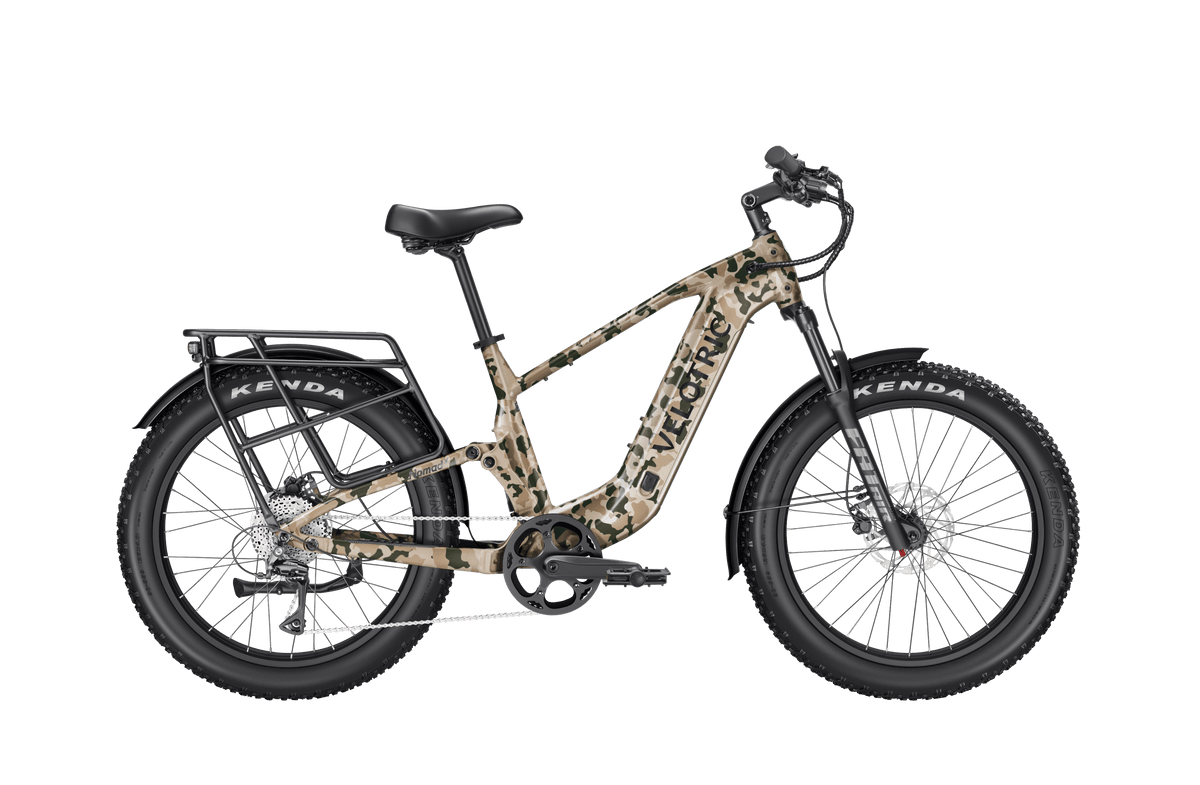
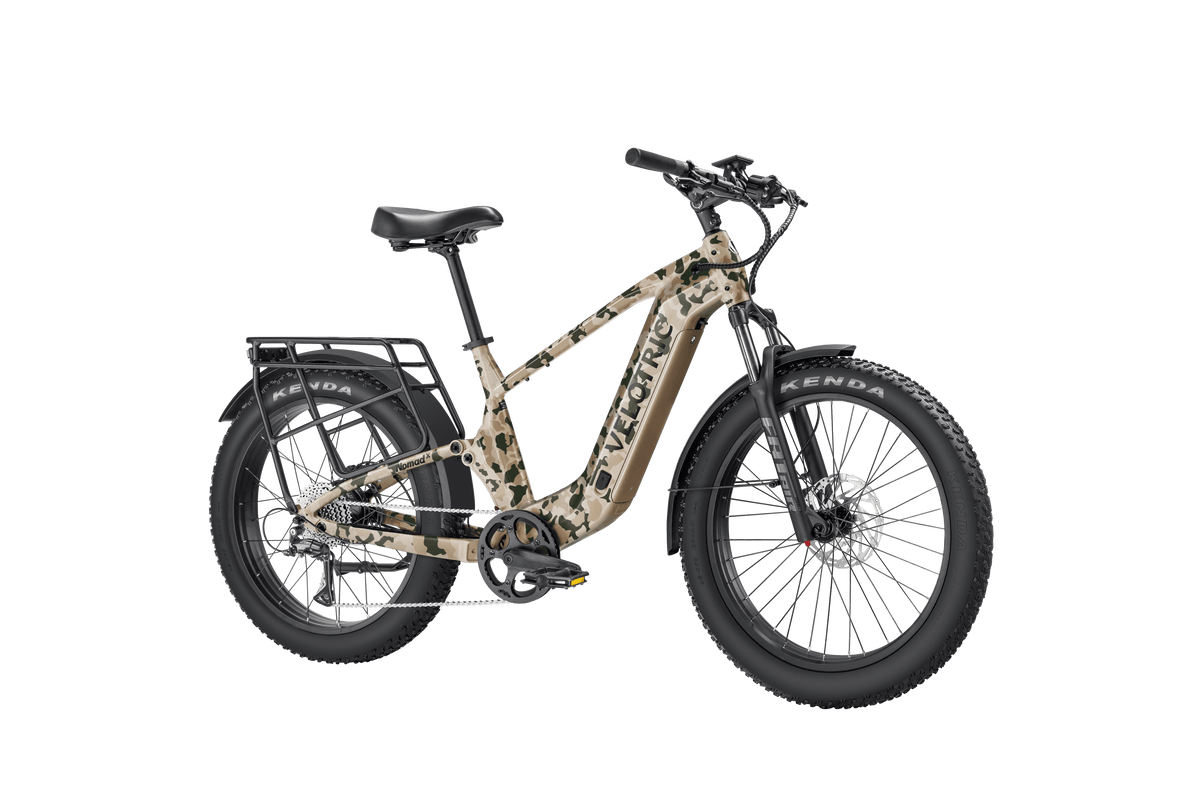
  • Velotric Nomad 2X

    Velotric Nomad 2X

    The Velotric Nomad 2X is one of the few fat-tire e-bikes under $2,500 with genuine full air suspension, and that single decision changes what the bike is good at. On paper it pairs a 750W (1,400W peak) hub motor and 105 Nm of torque with a 120mm air fork and a rear air shock, which makes it a legitimate rough-terrain machine rather than another heavy cruiser wearing knobby tires. At $2,399 (about $2,499 for the camo finish), it undercuts most full-suspension competitors, though its roughly 80 lb curb weight means you should think hard about where you’ll store and haul it before ordering.

    Who it’s for

    The Nomad 2X makes the most sense for riders who actually leave pavement: sand, snow, gravel doubletrack, rooty trails, and rutted farm roads. It is also a strong pick for heavier riders — the frame is rated for a 560 lb payload, with a rear rack rated for 120 lbs, numbers that most competitors don’t come close to. For a 250 lb rider, that generous rating means the motor, spokes, and brakes are operating well inside their limits instead of at the edge of them, which usually translates into longer component life.

    It’s a poor fit for anyone who needs to carry a bike upstairs, lift it onto a roof rack, or ride mostly smooth bike paths. At 80 lbs, this is a two-person lift for many owners, and on pavement the full suspension and 26×4.0″ tires are solving problems you don’t have.

    Key specs

    Spec Velotric Nomad 2X
    Motor 750W rear hub, 1,400W peak, 105 Nm torque
    Battery 48V, 16.7Ah (801.6Wh), UL 2271, IPX7
    Range (claimed / tested) Up to 75 mi claimed; ~69 mi low assist, ~37 mi throttle in independent tests
    Top speed / class Class 1/2/3 configurable, up to 28 mph pedal assist
    Suspension 120mm air fork; DNM rear air shock (38mm travel)
    Brakes Tektro hydraulic disc, 203mm front / 180mm rear rotors
    Drivetrain Shimano 8-speed, 48T chainring, 11-40T cassette
    Weight / payload ~80 lbs / 560 lbs total, 120 lb rack
    Velotric Nomad 2X

    Living with it

    Weight is the defining ownership reality. Eighty pounds is manageable to pedal — the motor erases it — but awkward to store. Plan for ground-level storage, a hitch rack rated for e-bikes (most hanging racks max out around 50–60 lbs per bike), and a ramp if you load into a pickup. The battery is removable, which drops roughly 8–9 lbs and lets you charge indoors while the bike stays in the garage.

    Charging the 801.6Wh pack with the included 3-amp charger takes about 5.5 hours from empty, so an overnight top-up is the natural rhythm. Based on the spec sheet’s efficiency figures (roughly 12–22 Wh per mile depending on assist), a realistic mixed-use rider should plan on 40–55 miles per charge, and closer to 30–35 if you lean on the throttle with a load.

    The air suspension is a genuine upgrade over the coil forks common at this price, but it adds one maintenance habit: you’ll want a shock pump and a few minutes to set sag for your weight when the bike arrives, and to check pressures every month or two. Skip that step and you’ll either blow through the travel or ride a harsh, over-inflated setup. The SensorSwap feature — toggling between torque and cadence sensing from the display — is more useful than it sounds: torque mode for a natural, exercise-like feel; cadence mode when you’re tired or hauling.

    Cost of ownership

    Velotric covers the bike with a 2-year warranty on electrical components, including the motor and battery. That’s better than the 1-year coverage still common in the direct-to-consumer market. Spare and replacement batteries for Velotric models typically run several hundred dollars — budget roughly $400–$600 — and a quality lithium pack should hold useful capacity for 500+ full charge cycles, which for most riders is years of service.

    Consumables are the bigger recurring cost on a bike this heavy and powerful: brake pads wear faster than on a lighter bike (expect to replace them more often if you ride hills), 26×4.0″ fat tires cost more than standard tires when they wear out, and the 8-speed chain will stretch quicker under 105 Nm of torque. None of this is unusual for the category — it’s the tax any 80 lb, high-torque e-bike charges.

    How it compares

    Against its stablemates, the choice is about terrain. The Velotric Triker trades two wheels for three and is built for stability and cargo at low speeds — a different mission entirely. The Velotric Breeze 1 is the opposite philosophy: about 30 lbs lighter, pavement-focused, no suspension, and hundreds of dollars cheaper. If your riding is mostly bike paths, the Breeze 1 is honestly the smarter buy; the Nomad 2X only earns its weight and price off-road.

    In the wider market, the Aventon Aventure line is the obvious rival — similar power and polish, usually a bit cheaper, but hardtail-only, so the Nomad 2X wins on rough-terrain comfort. Budget options like the Lectric XPeak undercut it by several hundred dollars, but with coil suspension, smaller batteries, or lower payload ratings. The Nomad 2X’s honest pitch is: the most suspension and payload capacity you can get near $2,400.

    Velotric Nomad 2X

    Nomad 2X naming note

    If you are comparing Nomad 2X Velotric listings, make sure the page is for the Nomad 2X and not the regular Nomad 2 or the commuter-focused Discover line. The 2X is the more aggressive fat-tire option, while the Velotric Discover 3 is the cleaner pick for pavement-first commuting.

    That distinction matters for searchers looking for a Nomad 2X electric bike: tire size, ride position, rack/fender expectations, and handling are not interchangeable across Velotric’s families.

    FAQ

    How fast does the Velotric Nomad 2X go?

    It ships configurable as Class 1, 2, or 3, with pedal assist up to 28 mph when unlocked in the display or app, and throttle operation to 20 mph in Class 2 mode. Check your state and local rules — Class 3 bikes are restricted on some paths and trails.

    What is the real-world range of the Nomad 2X?

    Velotric claims up to 75 miles. Independent published range tests landed around 69 miles at low assist and about 37 miles on throttle at full power. For mixed riding at middle assist levels, 40–55 miles is a realistic planning number; heavy loads, hills, and cold weather will reduce it.

    Is the Nomad 2X good for heavy riders?

    Yes — this is one of its strongest arguments. The 560 lb payload rating, 105 Nm of torque, a 203mm front rotor, and adjustable air suspension (which you can pressurize to match rider weight) make it one of the better sub-$2,500 options for riders over 250 lbs.

    Is the Velotric Nomad 2X good for commuting?

    It can commute, but it is not the most efficient Velotric choice for pavement-only riding. The fat tires and trail-leaning feel make more sense if your route includes gravel, rough shoulders, or wet surfaces.

    Bottom line

    The Nomad 2X is the rare affordable e-bike where the headline feature — full air suspension — is genuinely functional rather than decorative, and the payload rating and 2-year warranty back it up. Buy it if you ride real off-road terrain, carry heavy loads, or are a bigger rider who wants margin built into every component. Skip it if you ride mostly pavement, live up a flight of stairs, or need a bike you can lift alone — the Breeze 1 or a lighter commuter will serve you better for less money. For its intended job, it’s one of the strongest value plays in the fat-tire full-suspension category.

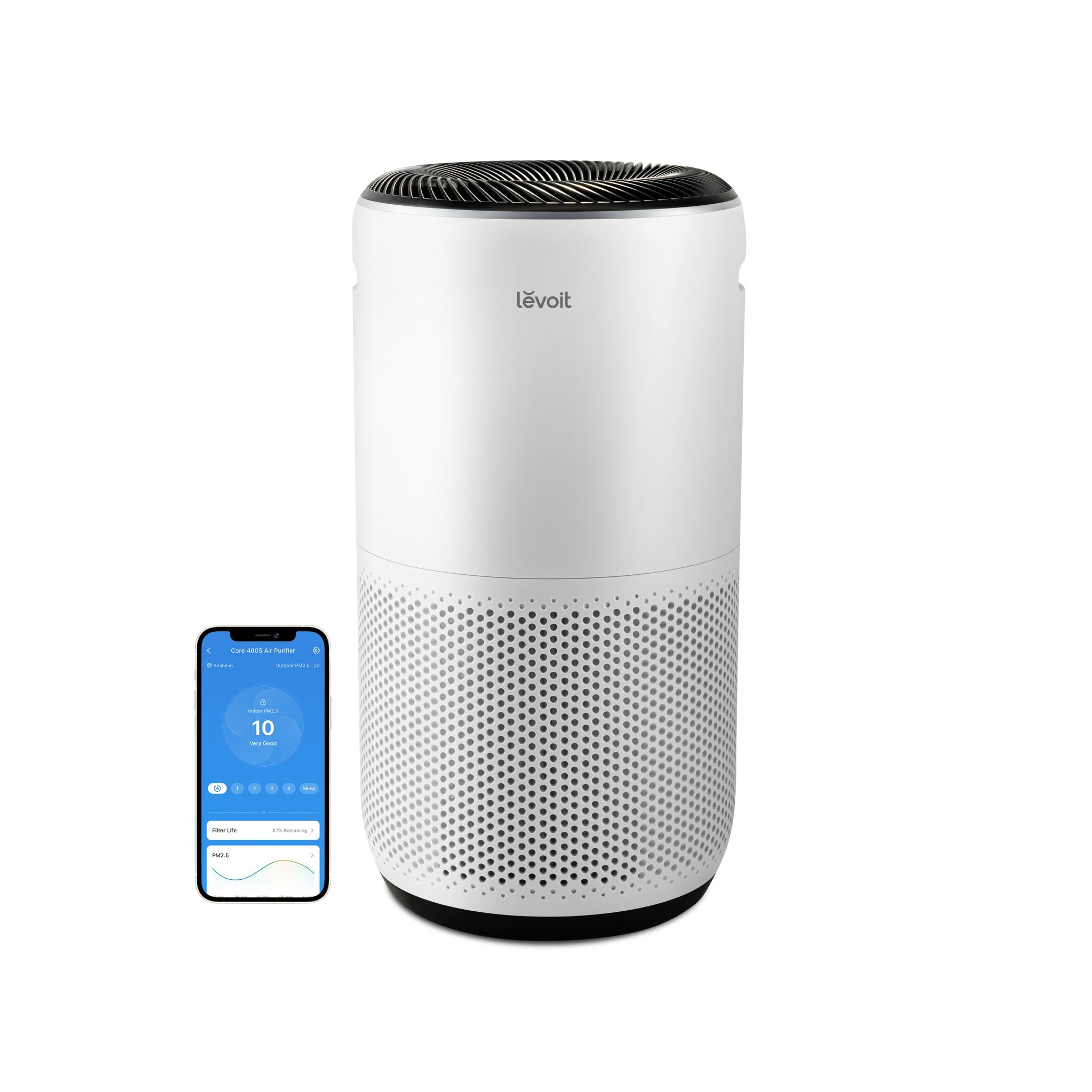
  • Levoit Core 400S

    Levoit Core 400S

    The Levoit Core 400S remains one of the easiest air purifiers to recommend for large bedrooms and living areas: independently verified performance, quiet operation, reasonable filter costs, and smart features that are actually useful. With an AHAM-verified smoke CADR of 231 CFM and a street price that regularly dips below its $220 list, it hits the value sweet spot where bigger names charge more for comparable clean air.

    Who it’s for

    The Core 400S is sized for real rooms, not spec-sheet fantasies. Its AHAM-rated coverage is 358 square feet at nearly five air changes per hour — the exchange rate that matters for allergy and smoke relief. That makes it right for master bedrooms, offices, and small-to-medium living rooms. Allergy sufferers, pet owners, and anyone in a wildfire-prone region are the core audience, and the auto mode plus a genuinely quiet 22 dB sleep setting make it especially good for bedrooms.

    It is the wrong pick for open-concept great rooms over 500 square feet, where you would want Levoit’s larger Core 600S or two units, and it is more than needed for a small dorm-style room, where the cheaper Core 300S will do.

    Key specs

    Spec Detail
    CADR (AHAM Verifide) 231 CFM smoke, 240 CFM dust, 259 CFM pollen
    Recommended coverage 358 sq ft at about 4.8 air changes/hour (1,733 sq ft at 1 ACH)
    Filtration 3-stage: pre-filter, HEPA main filter, activated carbon
    Noise range 22–52 dB across fan speeds
    Rated power 38W (Energy Star certified; under 2W standby)
    Dimensions and weight 10.8 x 10.8 x 20.5 inches, 11 lbs
    Smart features PM2.5 sensor with display, auto mode, VeSync app, Alexa and Google Assistant
    Warranty 2-year limited
    Levoit Core 400S

    Living with it

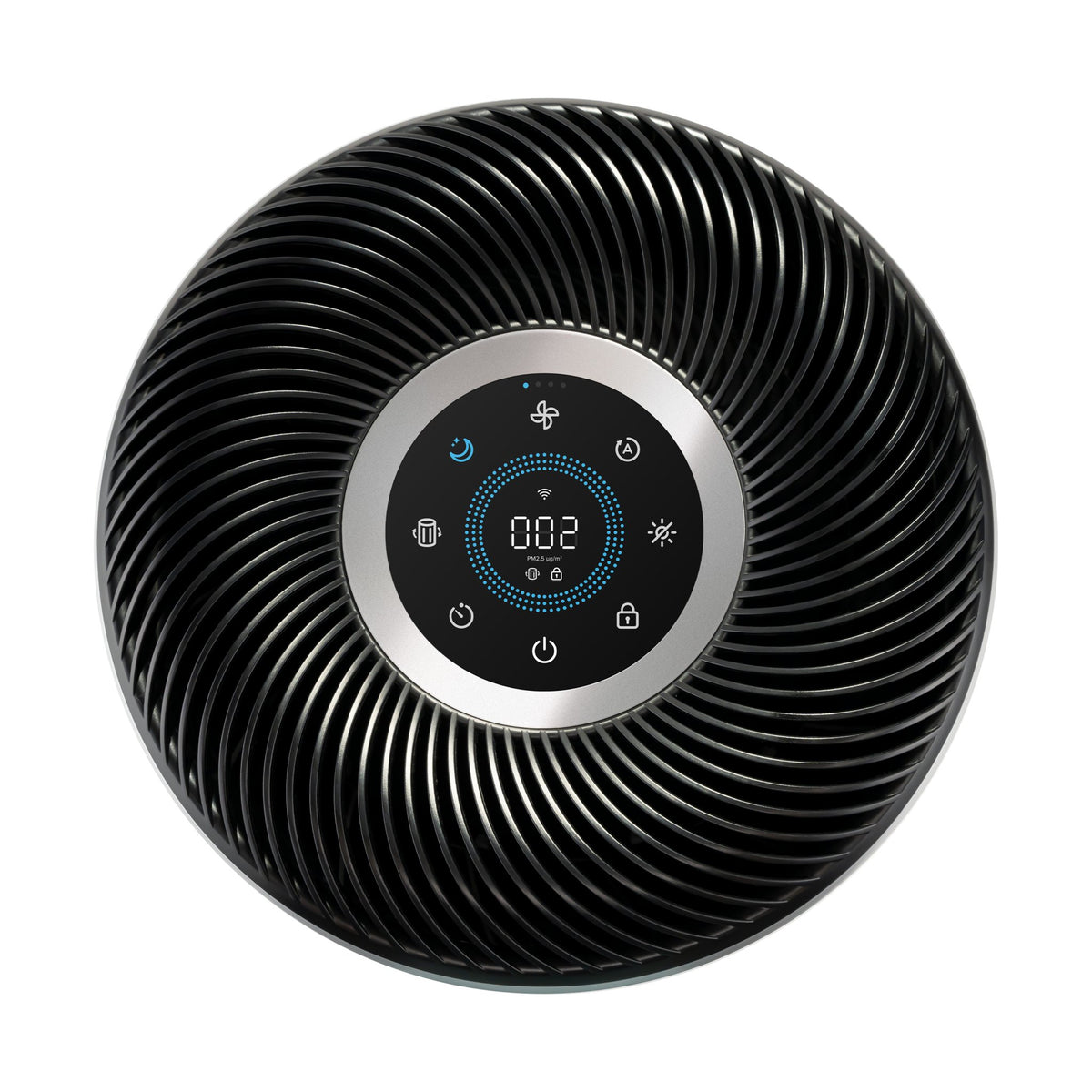
    Day to day, the Core 400S is designed to be forgotten. The onboard PM2.5 sensor drives auto mode, ramping the fan when it detects cooking smoke or stirred-up dust and settling back down afterward — set it to auto and the machine manages itself. The display shows a live PM2.5 reading with a color ring, which sounds like a gimmick until you watch it spike when you sear a steak; it turns invisible air quality into something you can act on.

    The noise range is the practical headline. At 22 dB in sleep mode it is effectively silent, quieter than an empty room’s background hum. At the top speed, 52 dB is comparable to a quiet conversation — noticeable but not intrusive, and on paper quieter than many rivals at similar airflow because the cylindrical design pulls air from 360 degrees. Placement matters: it needs a bit of clearance on all sides and should not be shoved in a corner or under a shelf, since it exhausts upward.

    The VeSync app adds scheduling, filter-life tracking, and remote control, and links to Alexa or Google for voice commands. Importantly, the purifier works fully from its physical controls without the app, so smart features are a bonus rather than a dependency. Wi-Fi setup requires a 2.4 GHz network, a common quirk in this category.

    Cost of ownership

    Air purifiers are razor-and-blades products, so filter math matters more than sticker price. The Core 400S uses a single combined 3-stage filter cartridge (Core 400S-RF) that typically sells for $40–50. Levoit’s guidance is replacement around every 6–12 months depending on air quality; in a smoky or high-pet household, expect the shorter end. Realistic annual filter cost is roughly $50–100. Third-party filters cost less but with unverified filtration — for an allergy or asthma household, genuine filters are the safer bet.

    Electricity is a rounding error: at 38W maximum, running it 24/7 at full speed costs roughly $4–5 a month at average US rates, and far less in auto or sleep mode — the Energy Star certification is earned. The 2-year warranty is solid for the price class, and Levoit’s filter supply chain is mature, so replacements are easy to find.

    How it compares

    The Winix 5500-2 (often around $160) is the classic value rival, with comparable smoke CADR, a washable carbon filter that lowers running costs, and an excellent auto mode. It lacks app control and its styling is dated, but pure value shoppers should cross-shop it.

    The Blueair Blue Pure 211i Max (around $350) moves more air for large living rooms and is impressively quiet per CFM, but it costs substantially more up front and its filters are pricier over time.

    Within Levoit’s own lineup, the Core 600S (around $300) offers meaningfully higher CADR for big spaces, while the Core 300S (around $150) serves small rooms. The 400S is the middle child, and for a typical US bedroom it is the right size — buying more purifier than your room needs buys you nothing but noise and filter cost.

    Levoit Core 400S

    FAQ

    Does the Levoit Core 400S remove odors and smoke smell?

    The activated carbon stage adsorbs odor and VOC molecules, so it helps with cooking smells, pet odor, and smoke. Carbon capacity in this class is moderate — it will not neutralize a chain smoker’s apartment — but for everyday household odors and wildfire smoke events, the combination of HEPA particle capture and carbon is effective.

    How often should the filter be replaced?

    Levoit cites up to about 12 months of filter life, and the app tracks usage to estimate remaining life. In practice, homes with pets, smoke exposure, or poor outdoor air should plan on 6–8 months. A visibly gray pre-filter surface is a good visual cue; a gentle vacuum of the pre-filter between replacements extends its life.

    Is the Core 400S quiet enough to sleep next to?

    Yes — sleep mode is rated at 22 dB, which is below the ambient noise level of most bedrooms, and it dims the display. Many owners run it as white noise on a low setting instead. On high speed it reaches 52 dB, which you would not want during sleep, but auto mode rarely stays there long in a closed bedroom.

    Bottom line

    The Core 400S earns its place as a default recommendation: AHAM-verified CADR, Energy Star efficiency, near-silent sleep mode, and filter costs that will not ambush you. Buy it for bedrooms and mid-size living spaces up to roughly 400 square feet, especially if allergies, pets, or wildfire smoke are part of your life. Skip it if your space is much larger — step up to a Core 600S or Blueair 211i Max — or much smaller, where a Core 300S delivers the same peace of mind for less money.