Blog

  • FitTransformer Titan Strength and Cardio Skiing Machine

    FitTransformer Titan Strength and Cardio Skiing Machine

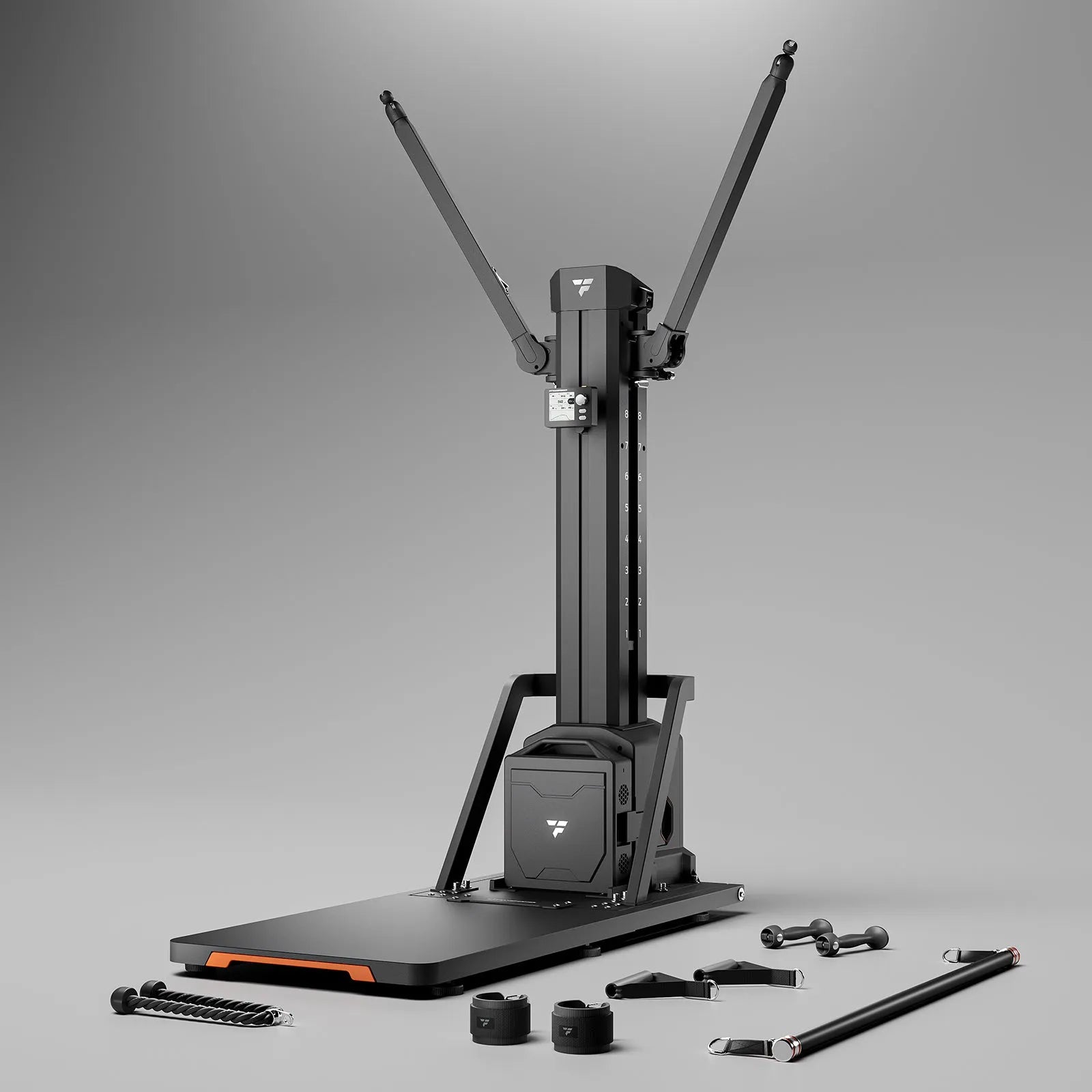
    FitTransformer built the Titan to replace a rack, a cable stack and a SkiErg with one folding tower, and the hardware mostly delivers: 264 lb of motor-driven resistance across two articulating arms, ski cardio, five lifting modes including an auto-spotter, and no subscription of any kind. The few hands-on reviews that exist praised the smooth cable feel, then hit the same two walls — cooling fans that run loudly all session, and a control unit closer to a graphing calculator than a coaching platform. Long-term owner reports barely exist yet because the brand is young, a real caveat at this price. At the current $2,399, though, it costs roughly half a Tonal 2 before Tonal’s mandatory membership even starts.

    Who it’s for

    The Titan serves the self-directed lifter. There are no guided classes, no coaching library and no big touchscreen; you set a level from 1 to 10, pick a mode and run your own program. The Jungle Gym Reviews, one of the only outlets to test the machine hands-on, concluded it suits experienced home lifters who want heavy digital resistance without a monthly fee. If you need a machine to tell you what to do on Monday, this is the wrong one.

    It is also a genuinely renter-friendly design. The tower is freestanding on its own deck — no wall mount, no bolting into studs — and it folds to a footprint of roughly 30 by 27 inches. The catch is the noise: a machine quiet enough for an apartment building this is not, and that undercuts part of its own pitch.

    • Lifters who program their own training and just need good resistance
    • Renters and small-space owners who cannot wall-mount a Tonal
    • Buyers who refuse subscription hardware on principle
    • People who want strength and ski-erg cardio from one footprint
    • Not for beginners who need guided workouts built in

    Key specs

    Spec Detail
    Resistance 264 lb (120 kg) max digital cable, 132 lb per arm, levels 1–10
    Motor BLDC motor in a removable core, shared across FitTransformer machines
    Arms Two articulating arms, 9 height and 4 angle positions, 150° multi-axis range
    Training modes Regular, Burst (concentric), Centrifuge (eccentric), Auxiliary auto-spot, ski cardio
    Size unfolded 61.8 x 27.2 x 85 in tall; folded 29.9 x 27.2 x 65.9 in
    Weight 220 lb, freestanding on its own deck, no wall mount needed
    Software No required subscription; small onboard display; Kinomap app supported
    Warranty and extras 5-year motor, 2-year components; rope, ski and triangle handles, ankle straps, bar included

    Living with it

    The resistance itself is the strongest part of the package. The Jungle Gym Reviews rated cable smoothness 8.5 out of 10 after testing floor-level deadlift pulls, max-height pulldowns and compound lifts, and found the tension consistent through the stroke. The 264 lb ceiling — 132 lb per arm — is more than a Tonal 2’s 250 lb and well past what most home lifters will exhaust on single-arm work. Digital resistance also punishes momentum, so the listed numbers work harder than they read.

    The lifting modes are more than gimmicks. Burst overloads the concentric phase, Centrifuge adds eccentric overload on the way down, and Auxiliary acts as an auto-spotter that backs off when you fail a rep — useful when training alone. Treadaway Training’s review did question how cleanly the motor handles the transition into the eccentric phase, worth watching before you buy.

    Noise is the flaw you will live with every session. The cooling fans in the motor core run constantly, and The Jungle Gym Reviews called the Titan the loudest electronic system it had tested, likening the sound to “a hair dryer on low speed.” It is constant, it matters in a shared apartment, and it is ironic on a machine otherwise built for renters.

    The software is the other weak spot. The onboard controller is a small utilitarian display with no guided workouts, and testers reported occasional glitches that required backing out through menus to reset. Kinomap support adds third-party content, but there is no native coaching layer at all. FitTransformer sells the absence of a subscription as a feature, and it is one — but you feel where the subscription money would have gone.

    Two practical notes. The tower stands 85 inches tall — a standard 8-foot ceiling clears it, a low basement may not. And be honest about the evidence base: only a handful of independent reviews exist and there are essentially no month-six owner threads yet, so nobody outside the company knows how these motors age.

    Cost of ownership

    The official store lists the Titan at $3,799 and sells it at $2,399 with free shipping; treat $2,399 as the real price and do not pay list. A Titan Plus with an adjustable bench and a Titan + Sail with a rowing module sit above it. The base package includes no bench, so budget $100 to $300 for a third-party one if you press.

    The subscription math is the Titan’s best argument. A Tonal 2 requires a $59.95 monthly membership — $719 a year, about $3,597 over a five-year horizon, on top of $4,295 hardware. The Titan’s ongoing cost is electricity, and even assuming a generous 500W draw for five hours of training a week, that is roughly $2 a month at average US residential rates. Over five years the total gap versus Tonal 2 approaches $5,500.

    Warranty coverage is 5 years on the motor and 2 years on everything else, which is competitive on paper. The unknown is the company behind it: FitTransformer is a young brand without an established US service network, and parts turnaround when a core fails in year three is unproven. The removable core design helps — a failed core is a swappable box, not a wall-mounted service call — but that is engineering logic, not a track record.

    How it compares

    The Tonal 2 is the polished option: wall-mounted, a large touchscreen, the best coaching software in the category and 250 lb of resistance. It also costs $4,295, requires drilling into studs and a $59.95 monthly membership with a 12-month commitment. The Titan concedes the software entirely and wins on price, resistance ceiling, and the fact that a renter can actually own one.

    The Speediance Gym Monster 2 is the closer fight: freestanding like the Titan, from about $3,369, with 220 lb of resistance, a large built-in screen and real native programming, subscription optional. It answers the Titan’s two biggest weaknesses — interface and content — for roughly $1,000 more, though The Jungle Gym Reviews found its arm adjustability inferior to the Titan’s 9-height, 4-angle setup.

    The Vitruvian Trainer+ takes the opposite shape: a floor platform with no tower, around $2,990, with up to 440 lb of resistance for heavy low pulls. It cannot do high-pulley work or ski-erg cardio without anchoring tricks, which is exactly where the Titan’s arms and tower earn their bulk.

    FAQ

    Is it too loud for an apartment?

    Depends on your walls. The cooling fans run continuously at a volume testers compared to a hair dryer on low — fine in a garage or spare room, borderline in a small apartment during quiet hours. It is steady fan whir rather than clanging plates, but reviewers call it the loudest machine in its class.

    Do I need a subscription or an app to use it?

    No. All resistance levels and all five training modes work from the onboard controller with no account and no monthly fee. Kinomap compatibility exists if you want app content, but it is optional. The trade-off: no subscription also means no native guided workouts at all.

    Will it fit in my space?

    You need about 85 inches of ceiling height — standard 8-foot ceilings clear it, many finished basements will not. In use it occupies roughly a 62 by 27 inch deck plus room to move; folded, about 30 by 27 inches. It needs no wall mounting, but at 220 lb, moving it between rooms is a two-person job.

    Bottom line

    Buy it if you already know how to train, you want 264 lb of smooth digital resistance with an auto-spotter for solo lifting, and you refuse to rent your own gym back through a subscription. At $2,399 with a 5-year motor warranty and a folding, renter-friendly footprint, nothing else delivers this much resistance for this little ongoing money, and the ski mode is a real second machine rather than a checkbox.

    Skip it if you need coaching built in, share thin walls with someone who will hear a hair dryer running for an hour, or want a brand with a service track record before spending $2,400. The Speediance Gym Monster 2 buys you a real interface for about $1,000 more, and the Tonal 2 remains the pick for guided training if the membership fee does not offend you. The Titan is good hardware ahead of its software — and ahead of the owner evidence that would justify a higher score.
    Sources and further reading

  • Heritage Series B17 Flying Fortress

    Heritage Series B17 Flying Fortress

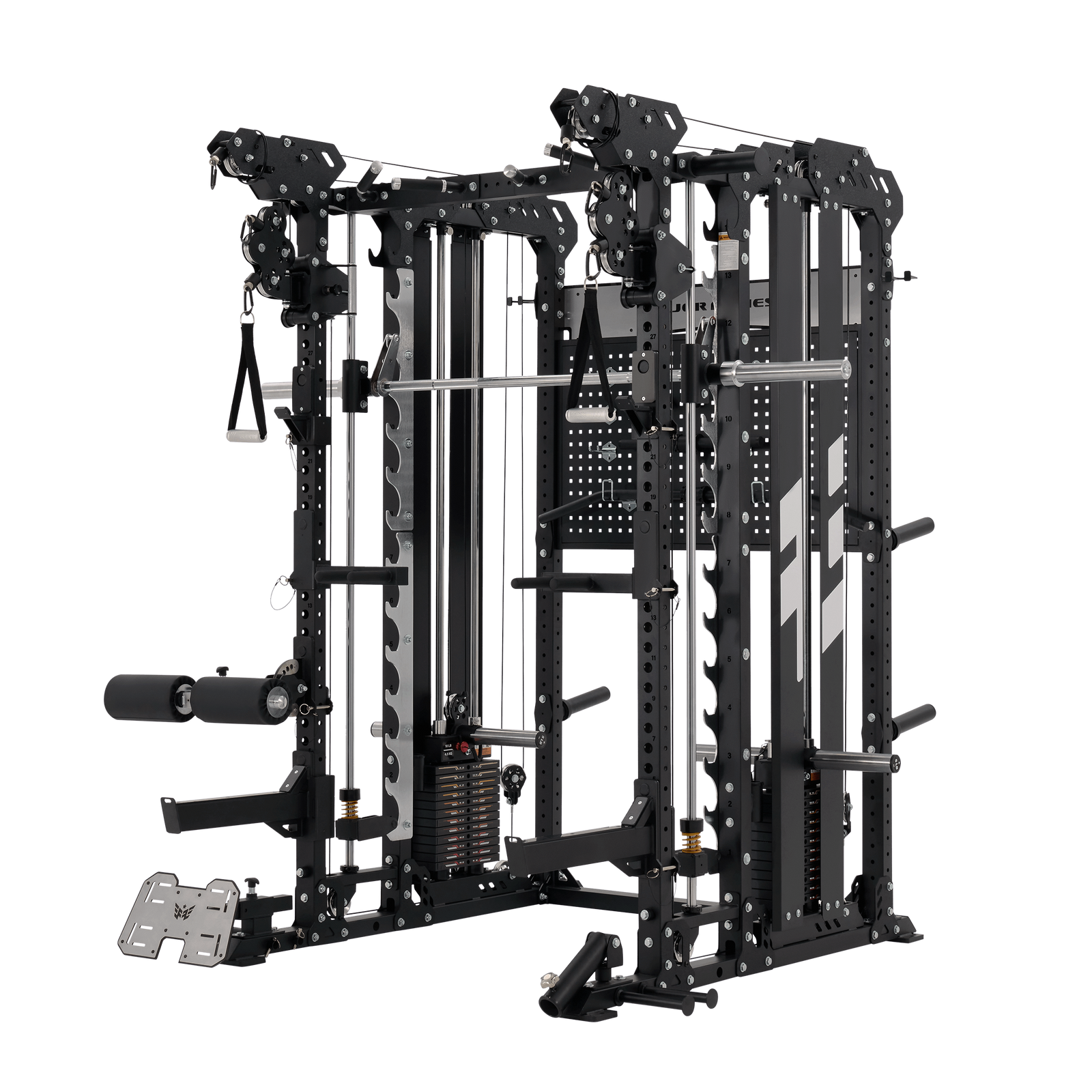
    Major Fitness built the Heritage Series B17 Flying Fortress to replace a commercial gym floor with one 879.8-pound cube: Smith machine, dual-stack cable trainer, half rack, pull-up station and landmine in a 78.7 by 68.1 inch footprint. Independent testing largely backs the pitch. Garage Gym Reviews scored it 4.2 out of 5 with a perfect mark for versatility, and Enkiri Elite Fitness rated it 9 out of 10, calling it one of the strongest all-in-one options on the 2026 market. The catches are practical rather than mechanical: assembly runs about 10 hours, the cables trail commercial-gym smoothness, and Major Fitness backs a $4,199.99 machine with a one-year warranty. A street price around $4,099 softens that math without changing it.

    Who it’s for

    The B17 targets the lifter consolidating an entire routine into one corner of a garage. Two 130-pound weight stacks handle cable work, a linear-bearing Smith machine covers guided barbell lifts, and J-hooks rated to 1,500 pounds turn the frame into a legitimate half rack for free-weight squats and presses. Garage Gym Reviews ran two testers through it, a 6-foot-2, 230-pound man and a 5-foot-8, 125-pound woman, and both found the 32 upright positions and 31 cable positions adjusted to fit.

    It is not a machine for small spaces or impatient owners. The footprint alone is about 37 square feet before you add room for a bench and plate loading, the assembled unit is essentially immovable, and the box arrives as an 880-pound freight crate. Buyers in apartments or above ground floors should stop reading here.

    • Lifters replacing a gym membership with one station for presses, squats, pulls and cable work
    • Physique-focused trainees who live on cable variations and stack changes
    • Households sharing one machine across very different body sizes and strength levels
    • Garage or basement owners with 50-plus square feet and a standard 8-foot ceiling

    Key specs

    Spec Detail
    Training systems Smith machine, dual-stack cable trainer, half rack, pull-up station, landmine
    Weight stacks 130 lb per side built in, expandable to 260 lb per side via plate horns, 5 lb steps
    Pulley ratio Interchangeable: 1:1 with both cables, 2:1 with a single cable
    Footprint and height 78.7 in wide, 68.1 in deep, 88.1 in tall; about 37 sq ft of floor
    Machine weight 879.8 lb, freestanding, no wall attachment required
    Frame 2×3 in steel: 12-gauge front uprights, 14-gauge middle and rear
    Rated capacities 1,500 lb J-hooks, 1,000 lb drop-tested safety arms, 400 lb Smith drop test
    Included attachments Leg holder, foot pedal, landmine, dip bars, pegboard, J-hooks, safeties, handles
    Warranty and returns 1-year warranty, 35-day money-back window, free freight shipping

    Living with it

    Stability is the trait testers kept returning to. Garage Gym Reviews reported no wobble under aggressive training and noted the frame needs no wall mounting to feel planted, which nearly 880 pounds of steel explains. The same review rated versatility and accessories 5 out of 5: the included leg holder, landmine, dip bars, pegboard and dual barbell hangers cover attachments other brands sell separately.

    The pulley system is the machine’s cleverest idea. Pull one cable and you get a 2:1 ratio with lighter resistance and long travel for flyes and rows; clip into both cables and the ratio becomes 1:1, so the full stack weight arrives at the handle for lat pulldowns and heavy rows. With both stacks expanded to 260 pounds via the plate horns, the ceiling is high enough for advanced lifters, and 5-pound increments keep progression granular.

    Cable feel is where the two professional reviews diverge, and the honest reading is that it is good, not commercial-grade. Garage Gym Reviews felt a little extra tension in the cables while conceding they slid rather than felt choppy. Enkiri Elite Fitness described the same cables as smooth and controlled. The Smith machine drew no such split: its linear bearings and spring-loaded bottom stoppers earned specific praise for smooth travel.

    Height is the ergonomic catch. At 88.1 inches the B17 slides under a standard 8-foot ceiling, but the pull-up bar sits inside that envelope. Garage Gym Reviews’ 6-foot-2 tester put it plainly: “I had to bend my legs to do pull-ups.” The 5-foot-8 tester had no such problem. If you are tall and pull-ups anchor your training, that compromise repeats every session.

    Assembly is the other toll. Enkiri Elite Fitness logged roughly 10 hours, blaming the sheer volume of parts rather than the instructions, and Garage Gym Reviews recommended two people and several hours minimum. Long-term owner data barely exists yet because the machine is new; Trustpilot feedback on the brand skews positive across about 141 reviews, but a recurring minority report damaged or missing parts on freight delivery, so inspect the crate before signing.

    Cost of ownership

    List price is $4,199.99 with free shipping, and authorized dealers have sold it at $4,099. Major Fitness also offers a bundle with a bench and plates at $5,015.97, about $444 less than buying the pieces separately.

    Running costs are close to zero: no motor, no subscription, no electricity. The one real expansion cost is plates. The stock 130-pound stacks cover most cable work, but reaching the full 260 pounds per side means supplying roughly 130 pounds of plates per side yourself, a $250 to $500 outlay if you own none, and the Smith machine and rack likewise assume you have a plate set.

    The warranty is the sore point. One year of coverage on a $4,200 machine drew direct criticism from Garage Gym Reviews, which scored warranty and financing 3.5 out of 5, the lowest mark on its card. A 35-day money-back window exists, but returning an 880-pound crate is not a casual exercise. Parts are commodity items, but the coverage gap is real at this price.

    Floor loading is a non-issue for a garage slab: 880 pounds over 37 square feet is about 24 pounds per square foot. A pair of rubber stall mats, $100 to $150, protects the concrete and quiets stack noise.

    How it compares

    The in-house comparison matters most. Major Fitness’s own Spirit B52 Pro costs about $2,500 and pairs 170-pound stacks with 12-gauge steel throughout, while the standard B52 runs about $1,500 with a fixed 2:1 ratio. Neither matches the B17’s interchangeable ratio, 260-pound expandable stacks or accessory count, but the B52 Pro delivers most of the daily training experience for $1,700 less.

    The REP Arcadia, around $2,000, is a dedicated functional trainer with 170-pound stacks and cable smoothness Garage Gym Reviews judged superior to the B17’s. It has no Smith machine, no rack and no landmine, so it wins on feel and loses on coverage. The Force USA G20 Pro attacks from above at roughly $6,000 with a leg press option and around 30 attachments; the B17 undercuts it by about $1,800 while covering the same core five stations.

    The pattern is consistent: the B17 is rarely the best at any single station, but nothing near its price bundles this many stations this competently.

    FAQ

    How much space and ceiling height do I need?

    The frame occupies 78.7 by 68.1 inches, about 37 square feet, and you want roughly 50 to 80 square feet total for a bench, plate storage and walking room. At 88.1 inches tall it fits under a standard 96-inch ceiling with clearance to spare, though tall users will find pull-up headroom inside the frame tight.

    Can I assemble it myself?

    Plan on two people and the better part of a weekend. Enkiri Elite Fitness spent about 10 hours on assembly and called the process demanding due to the volume of parts, though the instructions themselves are clear. The unit ships free in a reinforced wooden crate weighing near 880 pounds, so have help on delivery day too.

    Are the 130-pound stacks enough for a strong lifter?

    For cable work, usually yes. In 1:1 mode the full stack weight reaches the handle, and each stack expands to 260 pounds with your own plates on the built-in horns. Barbell strength work is not stack-limited anyway: the Smith system is drop-tested to 400 pounds and the J-hooks are rated to 1,500 pounds for free-weight lifts.

    Bottom line

    Buy it if you want one machine to genuinely replace a gym and you have the garage or basement to host it. The versatility is verified rather than advertised, the Smith machine and stability drew consistent praise, the accessory bundle is unusually complete, and at $4,099 to $4,199 it undercuts the comparable Force USA G20 Pro by around $1,800.

    Skip it if warranty length drives your decisions, because one year of coverage at this price is thin and Garage Gym Reviews said so directly. Skip it too if you are well over six feet and pull-ups matter, or if cable feel is your priority, in which case the REP Arcadia delivers smoother cables at half the price. And if the budget is the constraint, Major Fitness’s own Spirit B52 Pro keeps most of the experience for $2,500.

    Sources and further reading

  • Traeger Woodridge Elite

    Traeger Woodridge Elite

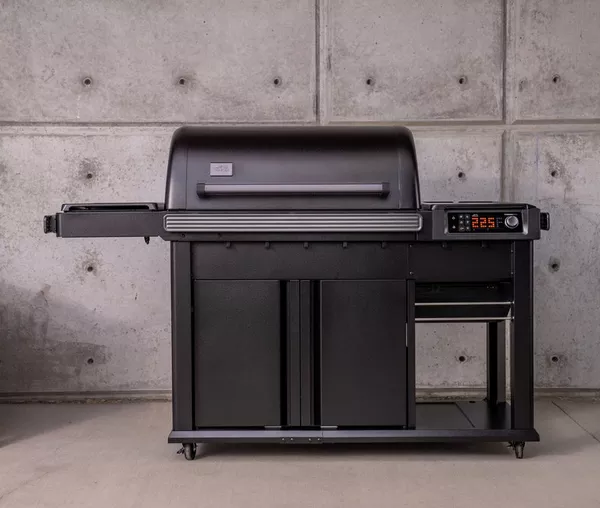
    Traeger built the Woodridge Elite as the everything model of its value line: the same 970-square-inch pellet smoker that anchors the Woodridge Pro, wrapped in an insulated body, set on an enclosed cabinet, with an electric infrared sear station bolted to the left side. The underlying grill is genuinely good — Engadget scored the base Woodridge 85/100, and testers across the line report steady temperatures and honest smoke flavor. The Elite question is narrower: whether insulation and a 1,100-watt side burner justify $1,799.99 when the Woodridge Pro cooks the same brisket for $1,149.99 — a math problem the 2026 price hike from a $1,599 launch made harder. For cold-climate cooks who smoke year-round and sear weekly, the premium earns its keep; for most buyers, the money works harder lower on the ladder.

    Who it’s for

    The Elite targets the one-appliance patio. A single power cord runs everything: low-and-slow smoking to 500°F grilling in the main chamber, an electric infrared burner for searing steaks or simmering a pan of beans, and an enclosed cabinet underneath for tools and pellets. No propane tank anywhere, which matters if you are done managing two fuels.

    It is also the only Woodridge with an insulated body and lid. Pellet consumption climbs sharply in freezing weather on thin-walled grills, and the insulation exists to blunt exactly that. If you smoke through a Minnesota January, this is the Woodridge built for you; if you grill in a mild climate and rarely sear, reviewers who tested the line consistently point at the Pro instead.

    • Year-round smokers in cold climates, where insulation pays for itself in pellets
    • Cooks who want sear capability without owning a separate gas grill
    • Households feeding a crowd: 970 sq in swallows 8 rib racks or 8 pork butts
    • Buyers who value the enclosed cabinet and a tidy, built-in look
    • Not for occasional grillers — the $650 gap to the Pro buys the same food

    Key specs

    Spec Detail
    Cooking space 970 sq in total: 585 sq in main rack, 385 sq in upper rack
    Temperature range 180°F to 500°F, Super Smoke Mode below 225°F
    Side sear station Electric infrared burner, about 1,100W per launch coverage
    Hopper 24 lb with pellet-level sensor and clean-out chute
    Construction Insulated body and lid, enclosed cabinet base
    Connectivity WiFIRE app control, wired probe, Bluetooth thermometer support
    Cleanup EZ-Clean combined grease and ash keg
    Weight and power 221 lb; 100–120V outlet, 300W grill draw
    Warranty 10-year limited, entire Woodridge line

    Living with it

    The cooking chassis is the strongest part of the package, and because it is shared across the line, the evidence base is deep. Engadget’s review of the base Woodridge found it held set temperatures reliably and imparted real smoke flavor even at 300°F-plus, concluding the grill can “punch above its weight.” Tom’s Guide called the Woodridge Pro ideal for set-and-forget smoking. BBQ Report, which tested the original three models, measured temperature control within roughly 15°F through 12-hour cooks and pellet use near 1.5 pounds per hour at 225°F. Owner reviews on retailer sites echo the themes: solid build, even heat, easy cleanup.

    One honest caveat: Elite-specific independent testing is still thin. Most professional reviews cover the base Woodridge or the Pro — Smoked BBQ Source published its coverage while still waiting on an Elite unit. The shared smoker hardware is proven; the Elite’s two exclusive features rest on spec-sheet reasoning and early owner reports.

    Those two features deserve scrutiny. The insulated body is the easy win: it adds weight and cost but no complexity, and it directly attacks the pellet-grill habit of burning fuel to fight cold air. The sear station is more complicated. It is an electric infrared element that launch coverage pegs at about 1,100 watts — enough to crust a steak or two after the smoke, and happy to sauté and simmer. What it is not is a gas burner: expect a preheat wait and a couple of steaks at a time, not a grate full of smash burgers.

    The main chamber still tops out at 500°F, the same ceiling as the $899 base model. That is fine for chicken skin and decent for burgers, but it is the reason the sear station exists at all, and rivals now do better from a single barrel.

    Practicalities: at 221 pounds this is furniture, not equipment you reposition. Plan a two-person assembly and a permanent home near an outdoor-rated outlet. The EZ-Clean keg, which collects grease and ash in one pull-out container, drew consistent praise and retires the shop-vac ritual older Traegers required. The WiFIRE app handles monitoring and pellet alerts reliably, and the dial-and-display controls work fine without it.

    Cost of ownership

    List price is $1,799.99 at Traeger, Home Depot, and Ace Hardware. Traeger enforces pricing tightly, so discounts are rare; the more telling number is history. The Elite launched in January 2025 at $1,599, so the 2026 price is $200 higher for an unchanged product. If a holiday promotion returns it to launch price, that is the moment to buy.

    Pellets are the real running cost. At about a dollar a pound for Traeger-brand pellets, BBQ Report’s measured 1.5 pounds per hour at 225°F makes a 12-hour brisket an $18 fuel bill; high-heat grilling at 3.5 to 4 pounds per hour runs about $4 an hour. The insulation should trim winter numbers meaningfully. Electricity is a rounding error: 300 watts for the grill, about 1,100 for the sear station, under 25 cents per searing hour at typical US rates.

    The 10-year limited warranty is the quiet headline. Traeger historically offered three years, and most pellet-grill rivals cover three to five, so ten years on a grill this expensive changes the depreciation math. Budget separately for a fitted cover — an insulated, electronics-laden cabinet grill should not fill with rainwater — plus drip-tray liners, a few dollars a month at most.

    How it compares

    The honest comparison starts inside the family. The Traeger Woodridge Pro at $1,149.99 has the identical 970 sq in chamber, controller, Super Smoke Mode, pellet sensor, and 10-year warranty; food off the two grills is indistinguishable. The Traeger Woodridge Pro Plus at $1,399.99 adds the enclosed cabinet and a folding side shelf, making it the value pick if the built-in look is the draw. The Elite’s final $400 buys only insulation and the sear station — a fair trade in Duluth, a shrug in San Diego. The $899.99 base Woodridge gives up 110 sq in, the pellet sensor, and Super Smoke, and suits smaller households fine.

    Outside the family, the Weber Searwood XL 600 is the rival that stings. For $1,299 it offers a nearly identical 972 sq in, reaches 600°F with direct-flame searing across the main grate, and heats up in about 15 minutes — no separate burner needed, because the whole grill sears. Traeger answers with the bigger 24-pound hopper, the cabinet, the insulation, and a warranty Weber does not match. If searing is your priority, the Weber does it better for $500 less; if long unattended smokes in bad weather are your priority, the Elite is the stronger tool.

    FAQ

    Is the side sear station a real substitute for a gas grill?

    Partly. The electric infrared element reaches steak-searing temperatures and is genuinely convenient for finishing reverse-seared meat or holding a sauce, all from one power cord. But at about 1,100 watts it delivers a fraction of a gas sear burner’s output and handles one or two steaks at a time. Cooks who grill hot and fast for a crowd will still want a second grill.

    Is the Elite worth $650 more than the Woodridge Pro?

    Only for two buyers: people who smoke through genuinely cold winters, where the insulated body saves pellets and steadies temperatures, and people who will use the sear station weekly. Everyone else gets identical cooking from the Pro, and the Pro Plus splits the difference if the cabinet appeals.

    Does it need special wiring outdoors?

    No. The grill runs on a standard 100–120V household outlet and draws about 300 watts; the sear station adds roughly 1,100 watts, about 9 amps, when lit. Any healthy outdoor circuit handles that, but skip thin extension cords and use a grounded, weather-rated outlet.

    Bottom line

    Buy it if you want one wood-pellet appliance that smokes, grills, and sears year-round, and you cook in a climate where the insulated body earns its cost every winter weekend. The chassis under it is the best-reviewed value line Traeger has shipped in years, 970 sq in feeds a real crowd, and the 10-year warranty is the longest coverage in its class.

    Skip it if you sear occasionally or live somewhere mild — the Woodridge Pro at $1,149.99 cooks the same food, and the Pro Plus adds the cabinet for $400 less than the Elite. Skip it too if high-heat grilling is the main event: the Weber Searwood XL 600 sears across its entire grate at 600°F for $1,299. With the Elite already $200 above launch, patience around holiday promotions may recover exactly that.

  • BLUETTI Elite 30 V2

    BLUETTI Elite 30 V2

    The BLUETTI Elite 30 V2 is best understood as a compact battery for electronics and short outings. It combines 288Wh of stored energy with 600W continuous AC output. Those numbers answer different questions: watts tell you what it can power at once; watt-hours tell you how much energy is available over time.

    Evidence scope: TheClearBuy has not tested this station. We checked the US Blush Pink listing and manufacturer manual, then compared them with MacRumors’ hands-on review of a green unit. That review does not independently verify the pink unit’s current software or the checkout offer.

    Blush Pink price: read the offer carefully

    On September 11, 2026, the selected pink standalone unit displayed a $449 list price and an advertised $250 final price after a $199 automatic checkout discount. We verified the product-page offer, not a completed checkout. Confirm the discount, color and total before paying. Solar bundles are separate options, and the page lists later delivery for some bundle accessories.

    The link accompanying this review selects Blush Pink, variant 47844917346523. Color availability and promotions may change. The manufacturer’s selected-variant page is the source for this offer.

    Blush Pink: ports, handle and charging a laptop

    Select any image to open the larger version. Images supplied by BLUETTI; these are not TheClearBuy test photos. Equipment and accessories shown may be sold separately.

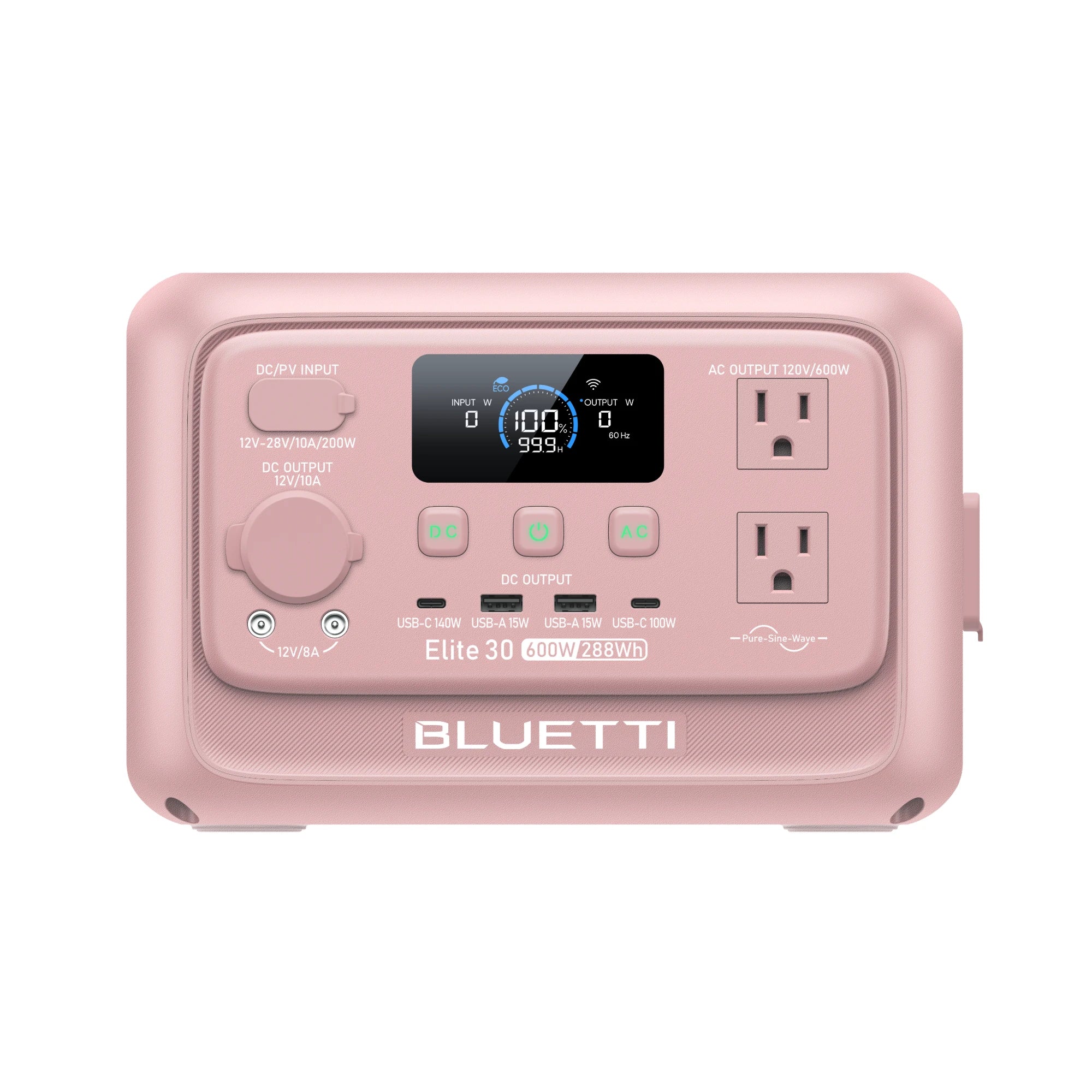
    Blush Pink Elite 30 V2 front panel with two US AC outlets, USB ports and DC connections
    The US Blush Pink front panel: two household AC outlets, USB ports and DC connections. Shared output limits still apply when several devices are connected.
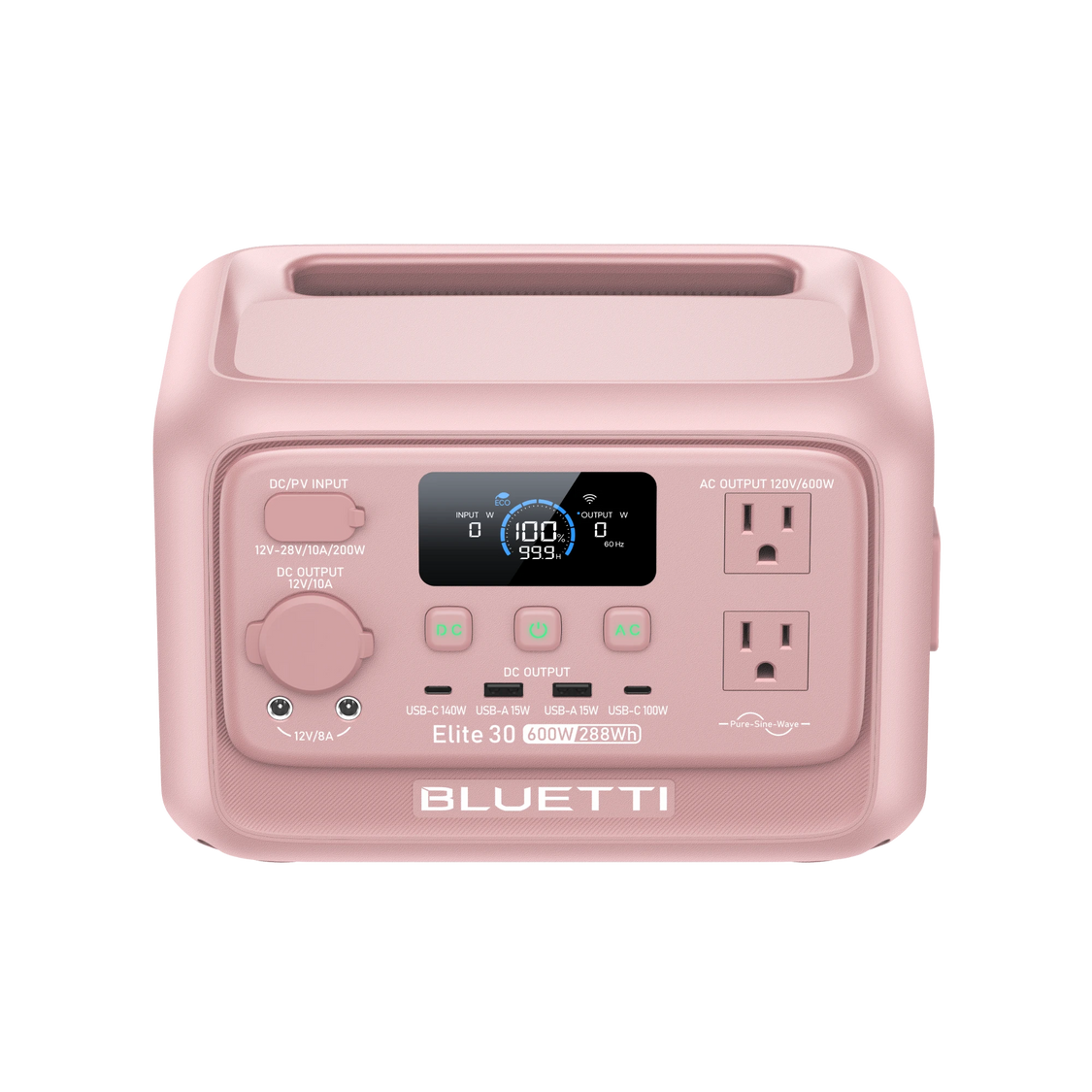
    Top and front view of the pink Elite 30 V2 showing the integrated handle
    The integrated handle and front controls. The station weighs about 9.5lb, so plan for more weight than a small phone power bank.
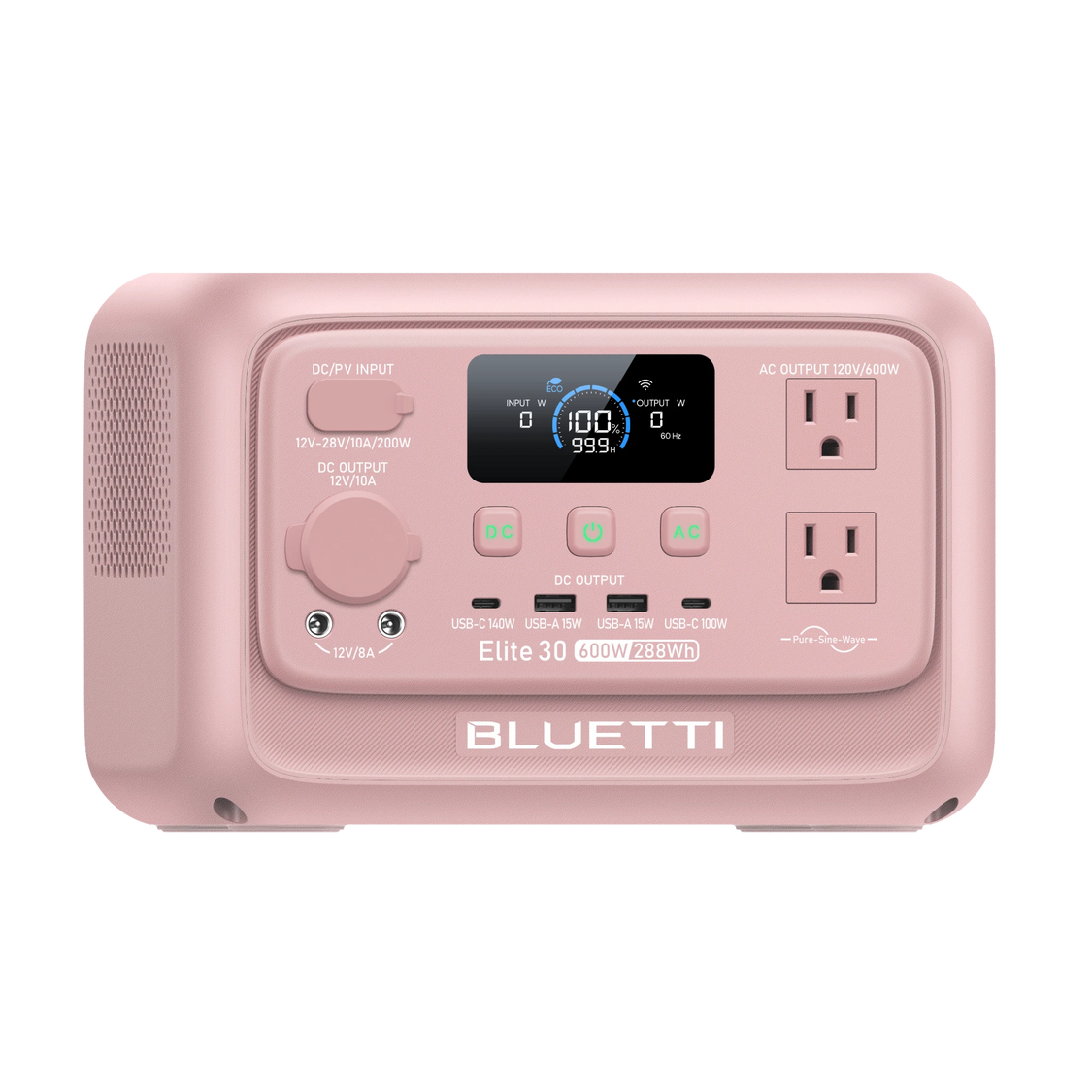
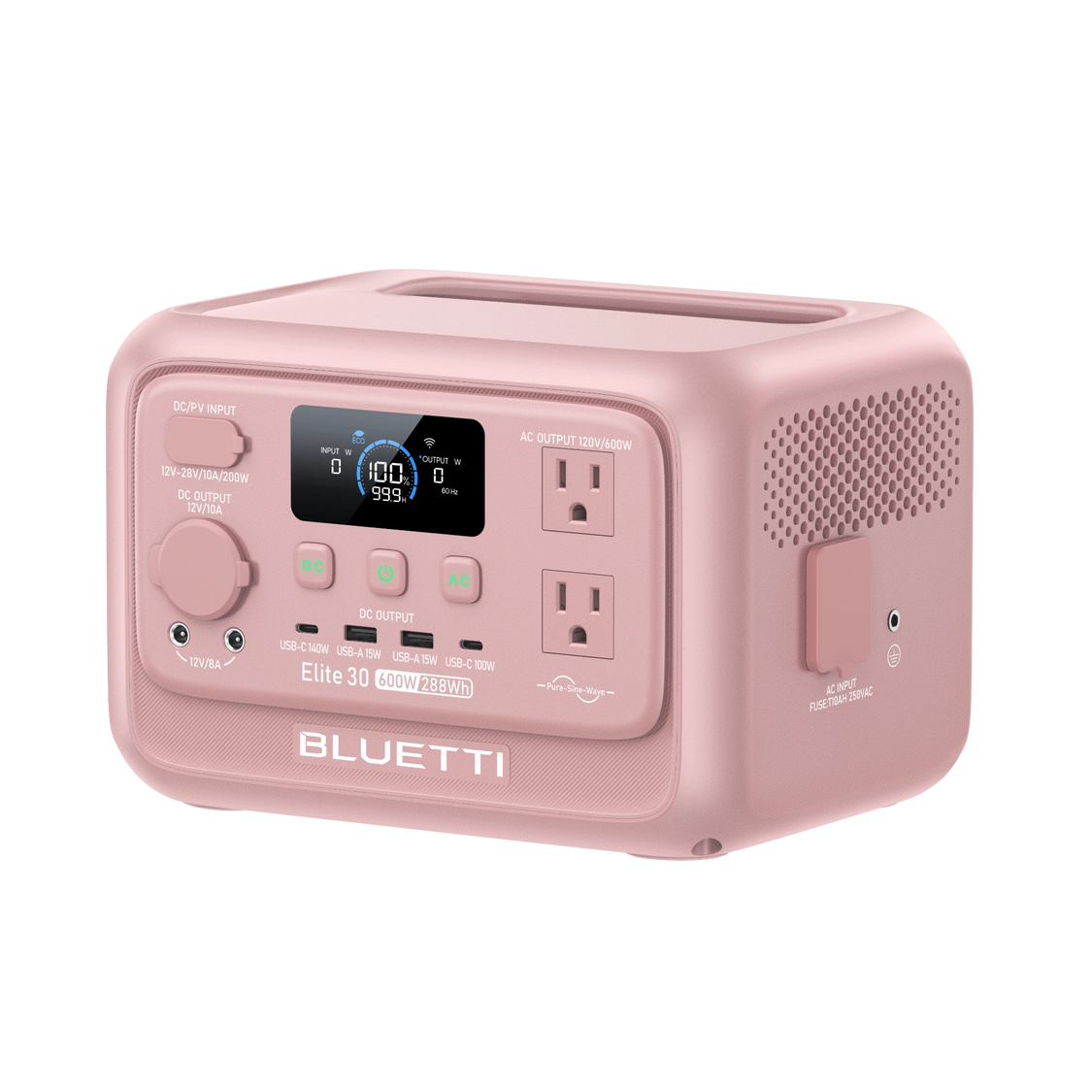
    Right-side view of pink Elite 30 V2 showing the ventilation grille and AC input cover
    The side ventilation grille and covered AC charging input. Keep vents clear when charging or powering devices.
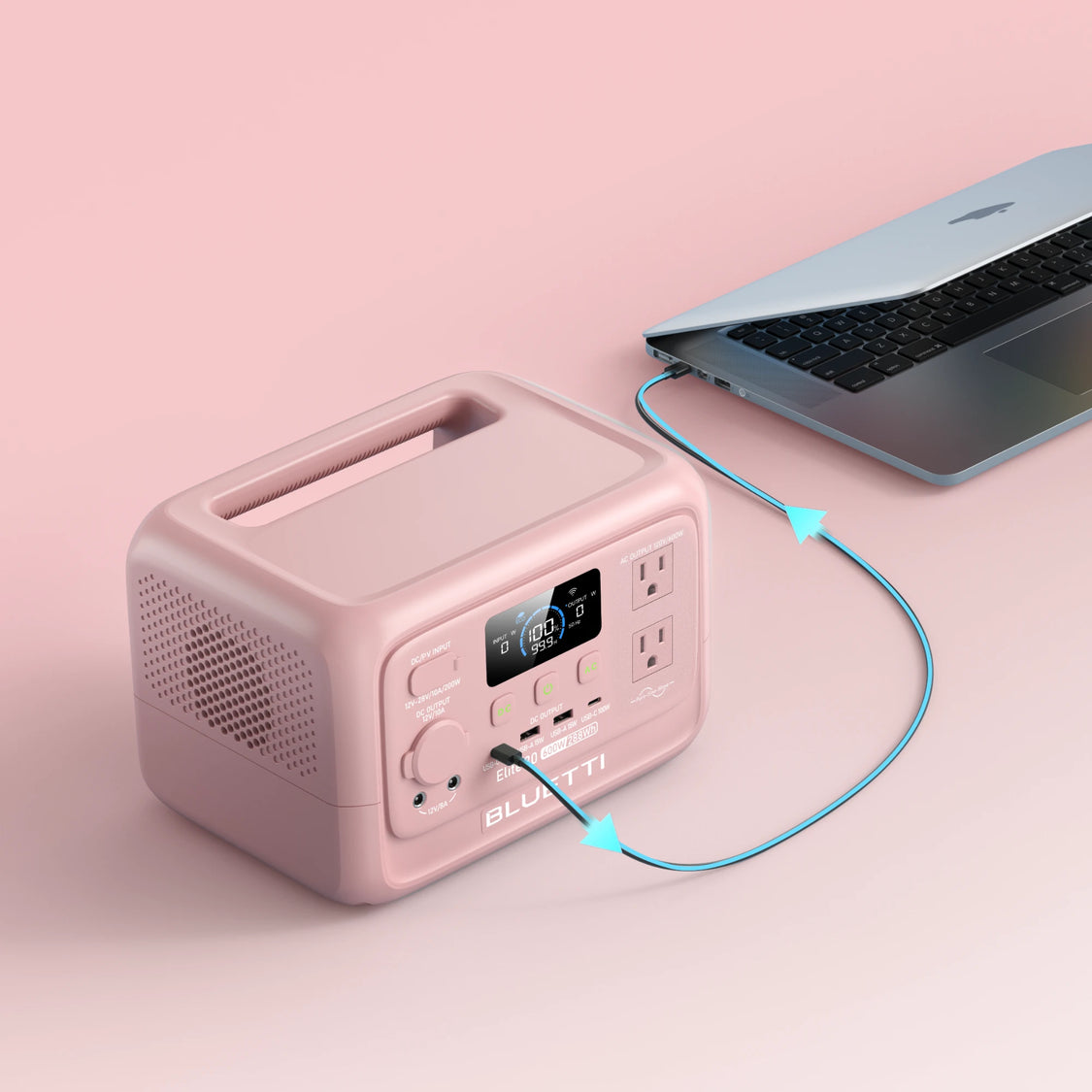
    Pink Elite 30 V2 charging a laptop through a USB-C cable
    A manufacturer illustration of direct USB-C laptop charging. The laptop and cable must support the required charging profile; accessories shown are separate.

    Useful specifications, without the inflated headline

    Specification Practical limit
    288Wh lithium iron phosphate battery Outlet energy will be lower after conversion and standby losses.
    600W continuous AC output Check both running demand and startup demand.
    140W and 100W USB-C ports The device and cable must support the selected charging rate.
    200W DC input maximum A larger solar panel or alternator charger cannot remove this limit.
    About 9.5lb More portable than large home-backup batteries, heavier than a pocket power bank.

    The manufacturer manual limits Power Lifting mode to suitable resistive loads. Its actual output remains 600W; the 1,500W label is not a general 1,500W inverter rating. Do not use it to size sensitive electronics or motor loads.

    What hands-on use suggests

    In MacRumors’ review, Juli Clover ran a MacBook Pro, display and two lights for roughly four hours at a reported 60–110W workload. She also observed charge loss when DC output stayed on without devices and an app problem that prevented a firmware update. These are one reviewer’s results, not repeatable runtime promises. BLUETTI supplied that review sample.

    Our buying interpretation is to plan around your measured workload. A steady 50W load would consume the nominal 288Wh in 5.76 hours in a loss-free calculation; real runtime will be shorter. Turn off unused outputs and allow a reserve rather than treating the theoretical figure as a target.

    Size, home use and recharging

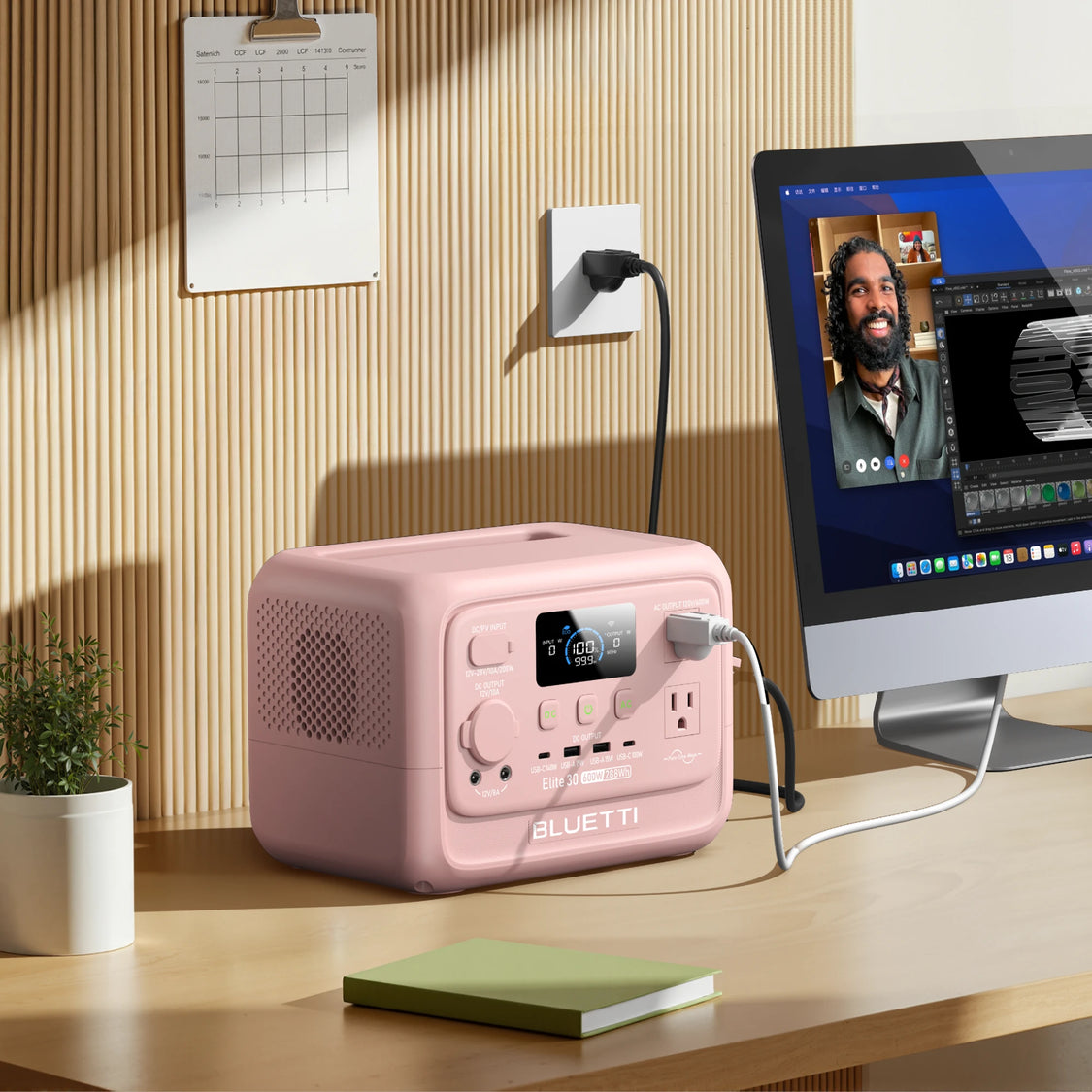
    Pink Elite 30 V2 powering a desktop computer in a home office
    A home-office example using the pink unit. Check the computer’s actual demand and allow for battery losses; this image does not establish backup runtime.
    Gray Elite 30 V2 being carried with dimensions of 9.8 by 7 by 6.6 inches marked
    BLUETTI’s size illustration: approximately 9.8 × 7 × 6.6 inches. The gray unit is shown to illustrate size and carrying; the purchase link in this article selects Blush Pink.
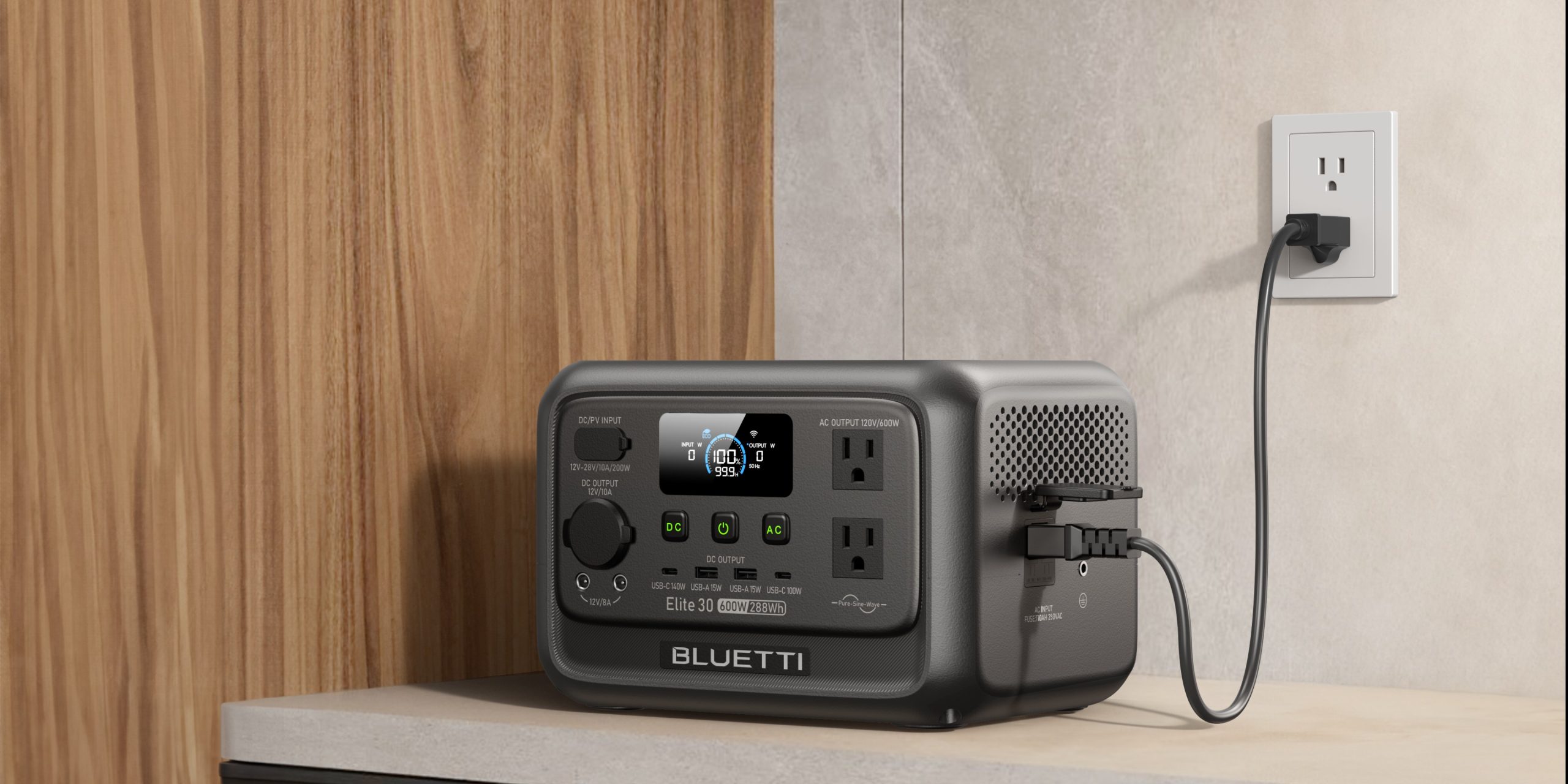
    Gray Elite 30 V2 connected to a US wall outlet through its side AC input
    Wall charging uses the side AC input. This manufacturer example shows the gray color; the pink unit’s side input is visible in the close-up above.
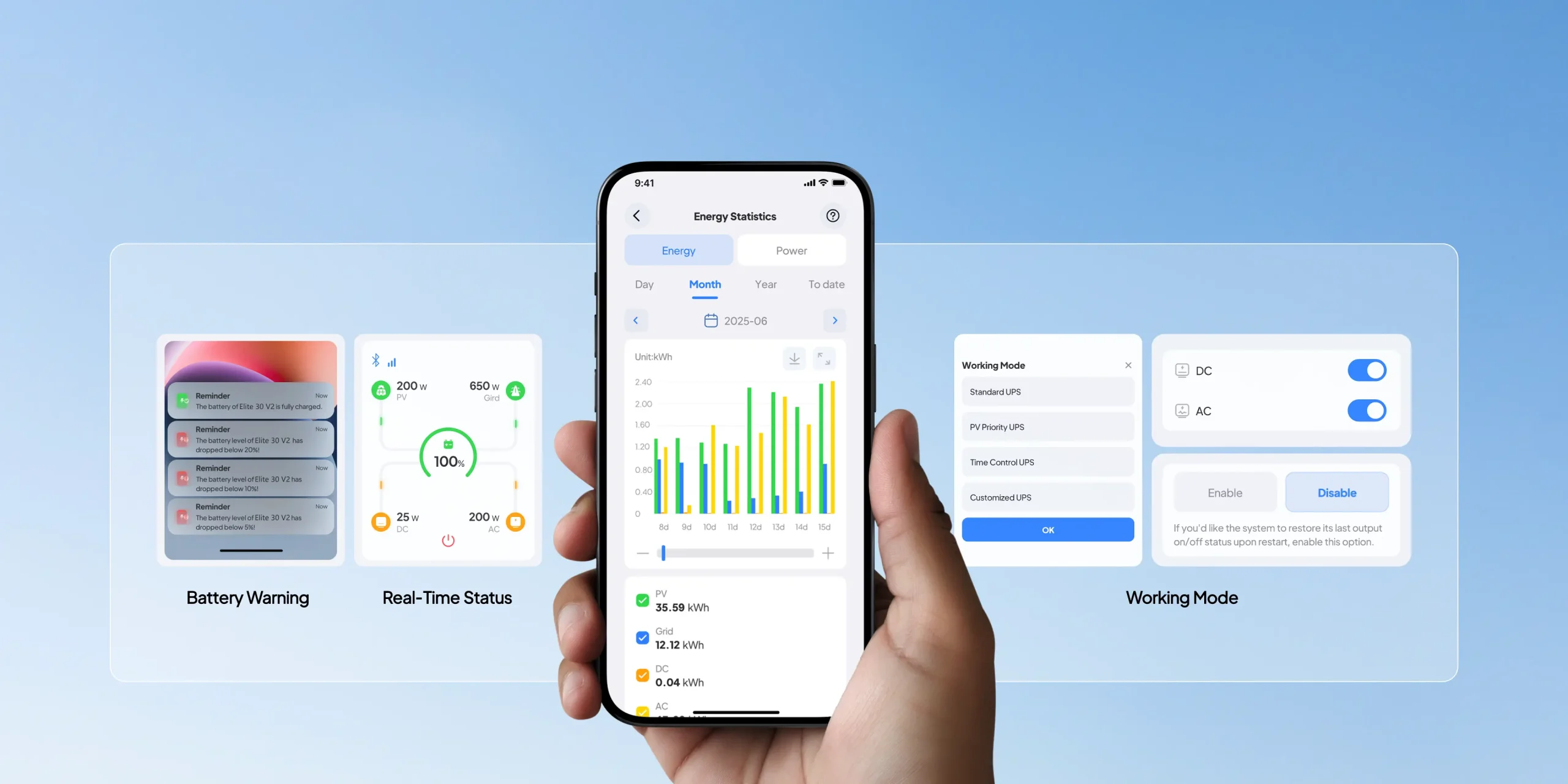
    BLUETTI app examples showing battery status, energy statistics and output controls
    Manufacturer app examples show battery status, energy history and output controls. Displayed figures are illustrative, and available screens may differ by software version.

    Which buyer should choose it?

    It suits someone who wants a carryable source for a laptop, small lights and charging devices, with occasional AC use. If all you need is a phone top-up, a smaller power bank is easier to carry. If you need prolonged appliance backup, size a larger battery from the appliance’s measured consumption first.

    For driving recharge, compare the Charger 1 with the Charger 2, but retain this station’s 200W input ceiling in the calculation. An expensive charger is easier to justify when it also serves a larger battery.

    Verdict and common questions

    7.8/10 at the advertised $250 offer — useful portable power with modest endurance. The port selection and carry weight fit electronics well. Standby losses, limited storage and the need to verify the checkout offer keep the recommendation specific. We would reassess value at the $449 list price.

    Can it run a high-power appliance all evening?

    Do not plan on that. Check power compatibility first, then energy consumption. A high output rating does not increase the battery’s stored energy.

    Does the pink version have better performance?

    We found no evidence for a performance advantage from the color. Choose the variant for appearance and its verified offer, not an assumed battery upgrade.

  • BLUETTI Charger 1

    BLUETTI Charger 1

    The BLUETTI Charger 1 is the more economical choice for drivers who want to recharge a compatible power station on the road without building a combined solar system. BLUETTI’s US listing showed $219, reduced from $399, on September 11, 2026. Its 560W rating matters only when the vehicle and receiving station can support that rate.

    Evidence scope: This is a research-based assessment of BLUETTI’s manual, current US listing and CGMagazine’s firsthand installation. TheClearBuy has not installed the unit or independently measured its charging speed. We have not established a long-term failure rate.

    What you are buying

    This is a converter between the vehicle electrical system and a portable power station. It is not a storage battery, an inverter with household outlets or a replacement for a solar panel. The practical question is whether the energy added during your normal drives will cover what you use while parked.

    Published specification What to check
    Up to 560W output The power station’s own input ceiling may be lower.
    Adjustable output voltage Match the setting to the receiving station’s permitted range.
    MC4 output connection Confirm the correct adapter and polarity for your station.
    IP20 enclosure Use a dry, protected mounting location.

    The official manual specifies circuit protection, ventilation and output-voltage checks. Treat those as installation requirements; a connector that fits does not prove electrical compatibility.

    Inspect the hardware before planning the fit

    Select any image to open the larger version. Images supplied by BLUETTI; these are not TheClearBuy test photos. Equipment and accessories shown may be sold separately.

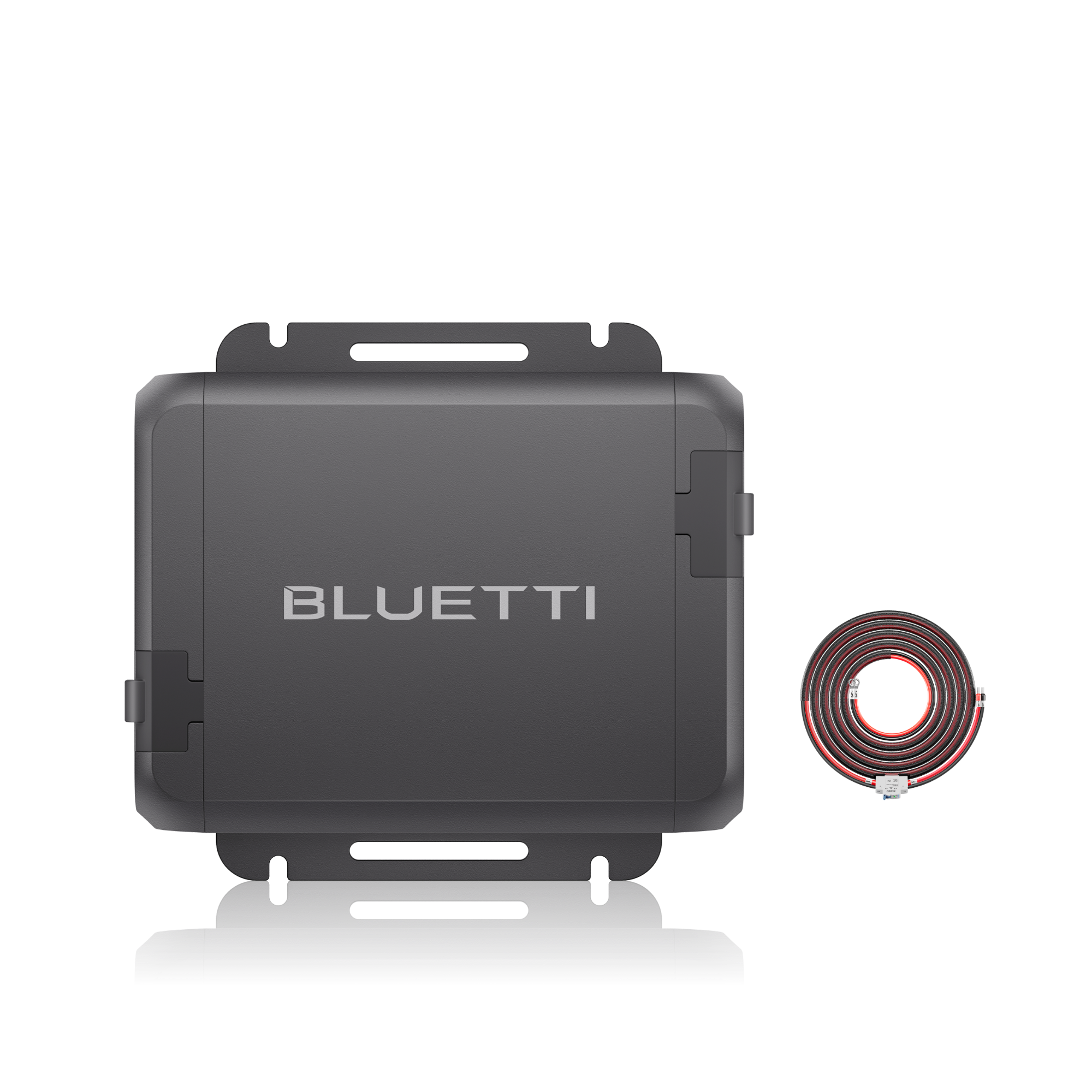
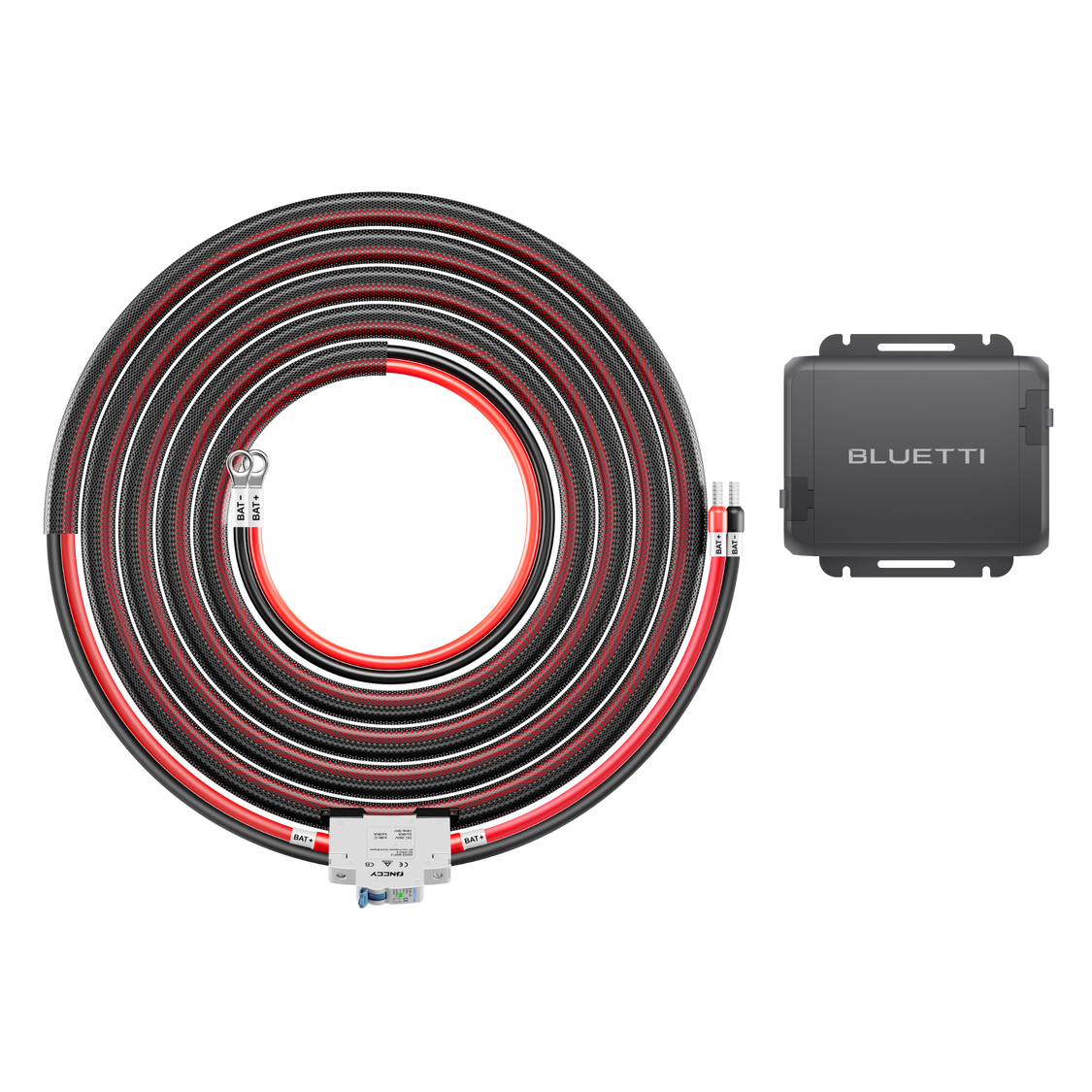
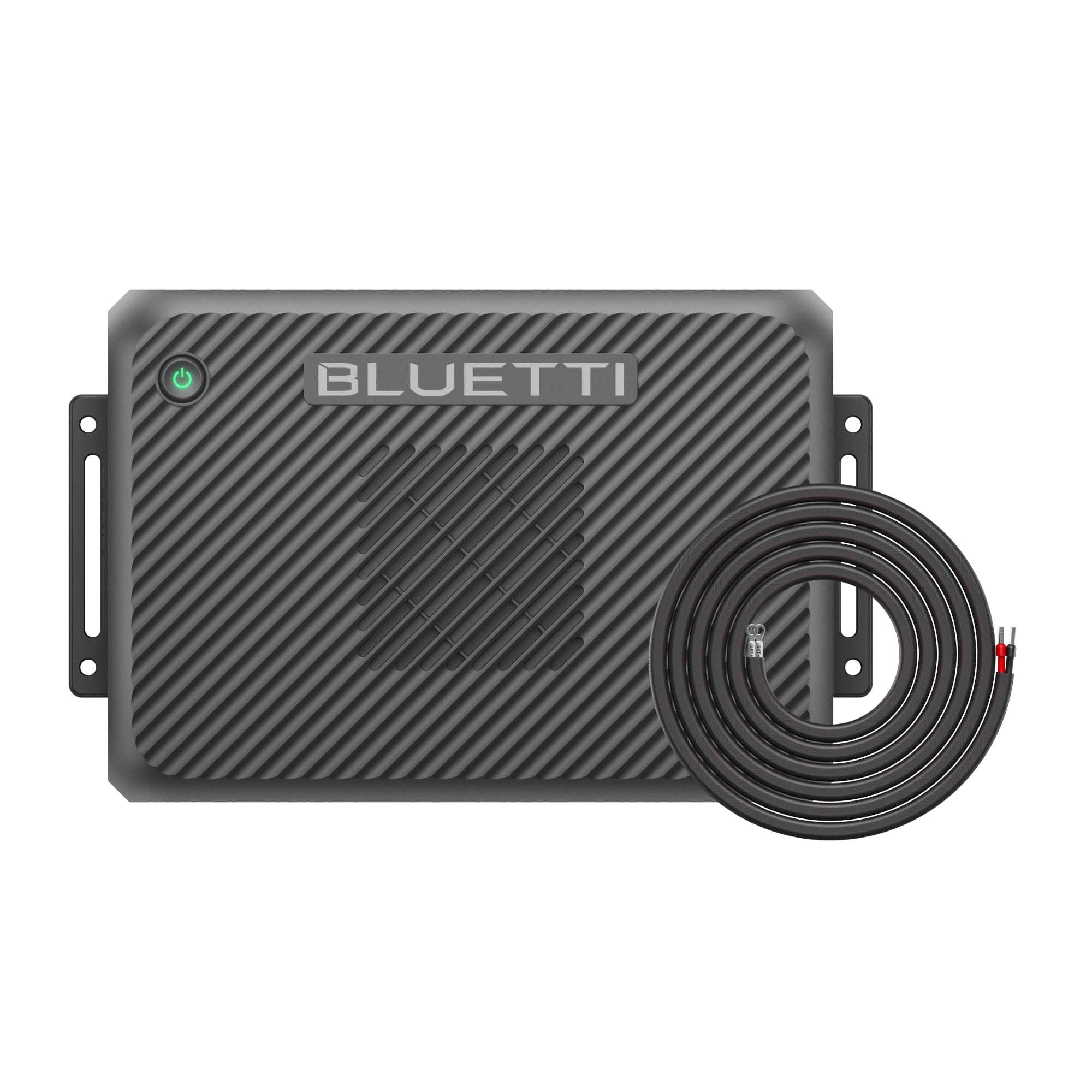
    BLUETTI Charger 1 with red and black battery cables and protection hardware
    The charger and cable kit shown by BLUETTI. Thick battery cables need a planned route; confirm the supplied kit and any extra adapter required.
    Rear mounting plate and slots on BLUETTI Charger 1
    The rear mounting plate and slots help explain how the unit attaches. Check the mounting surface and leave ventilation space.
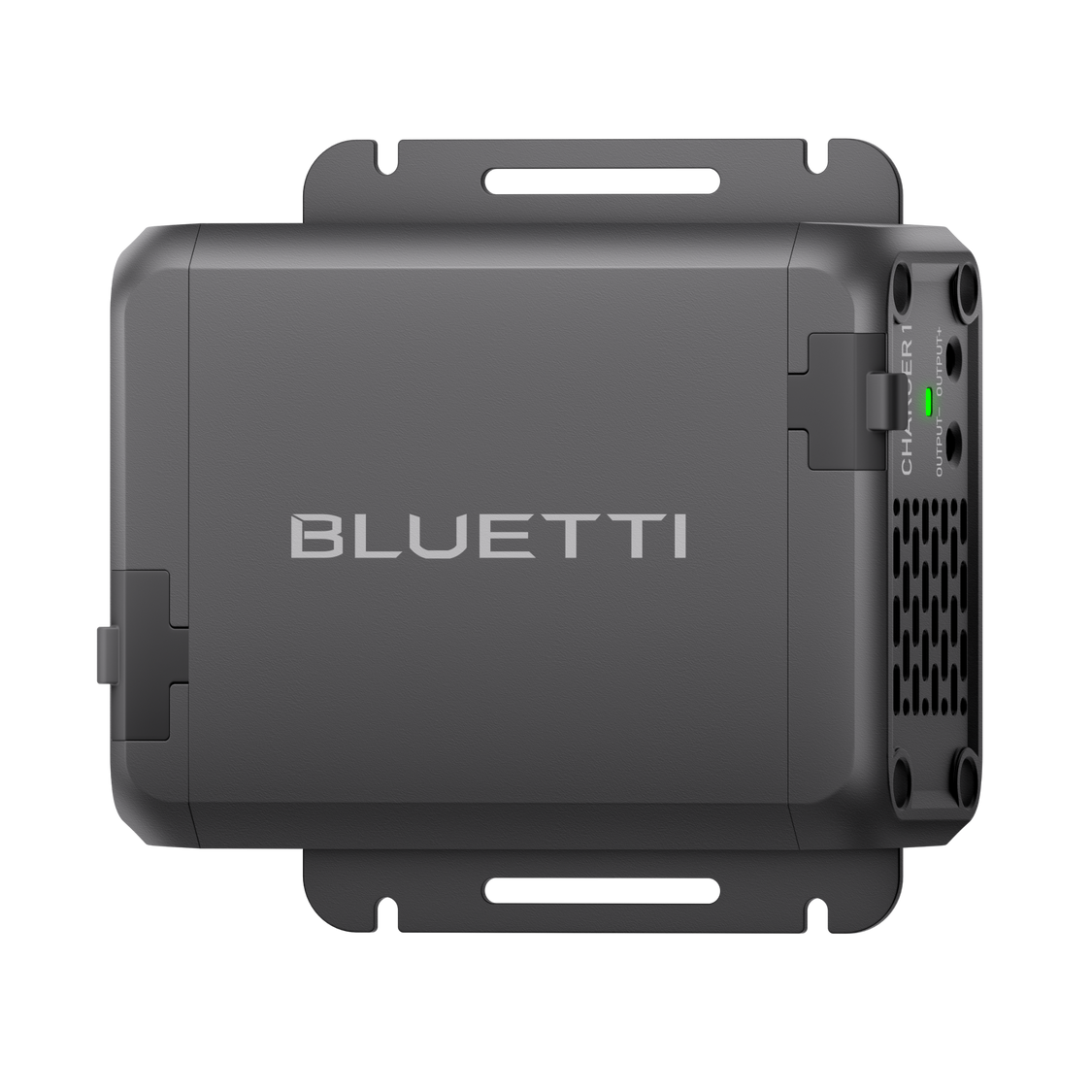
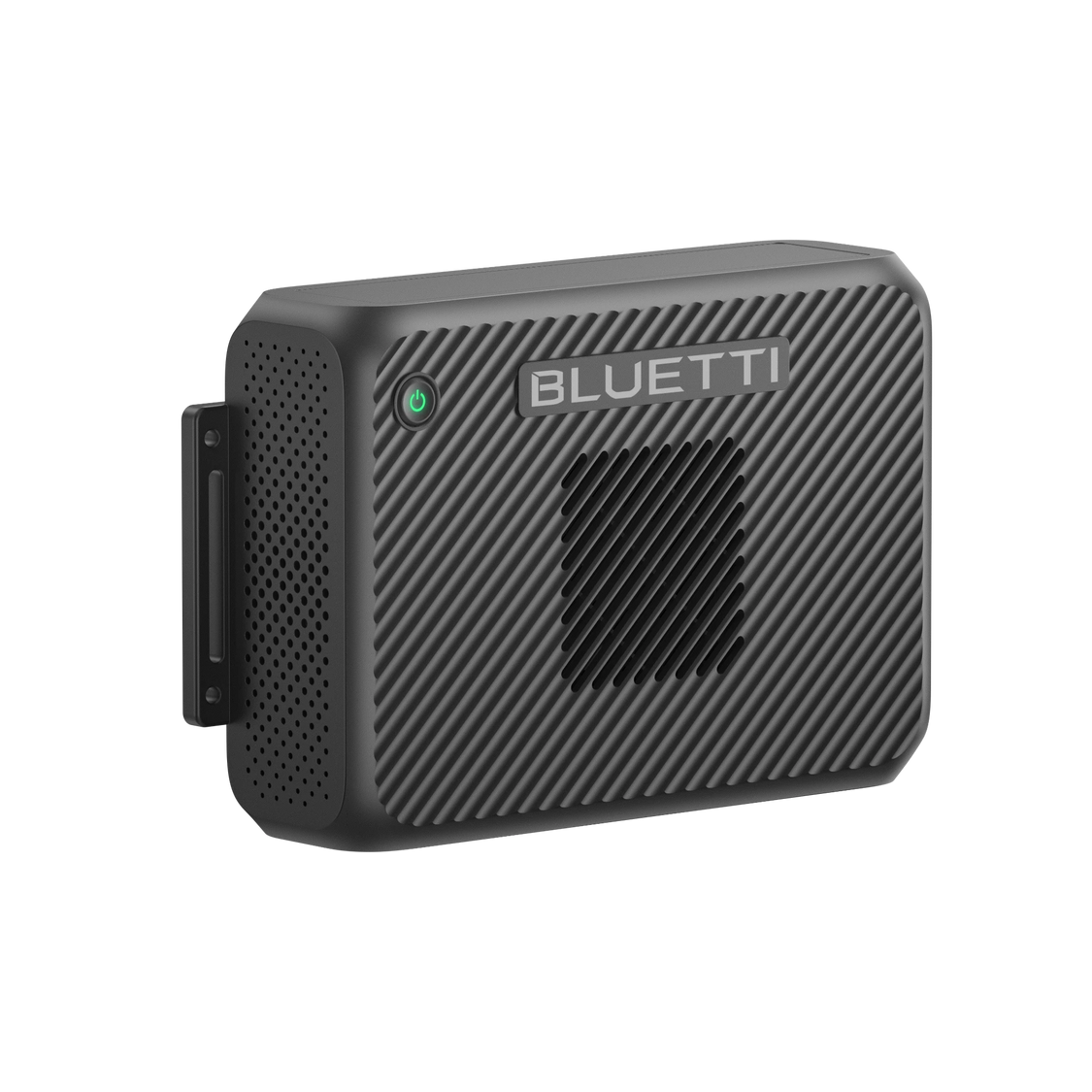
    Angled view of BLUETTI Charger 1 showing its indicator and side connections
    One side of the charger, including the status indicator and connections. Follow the manual when identifying the input and output.
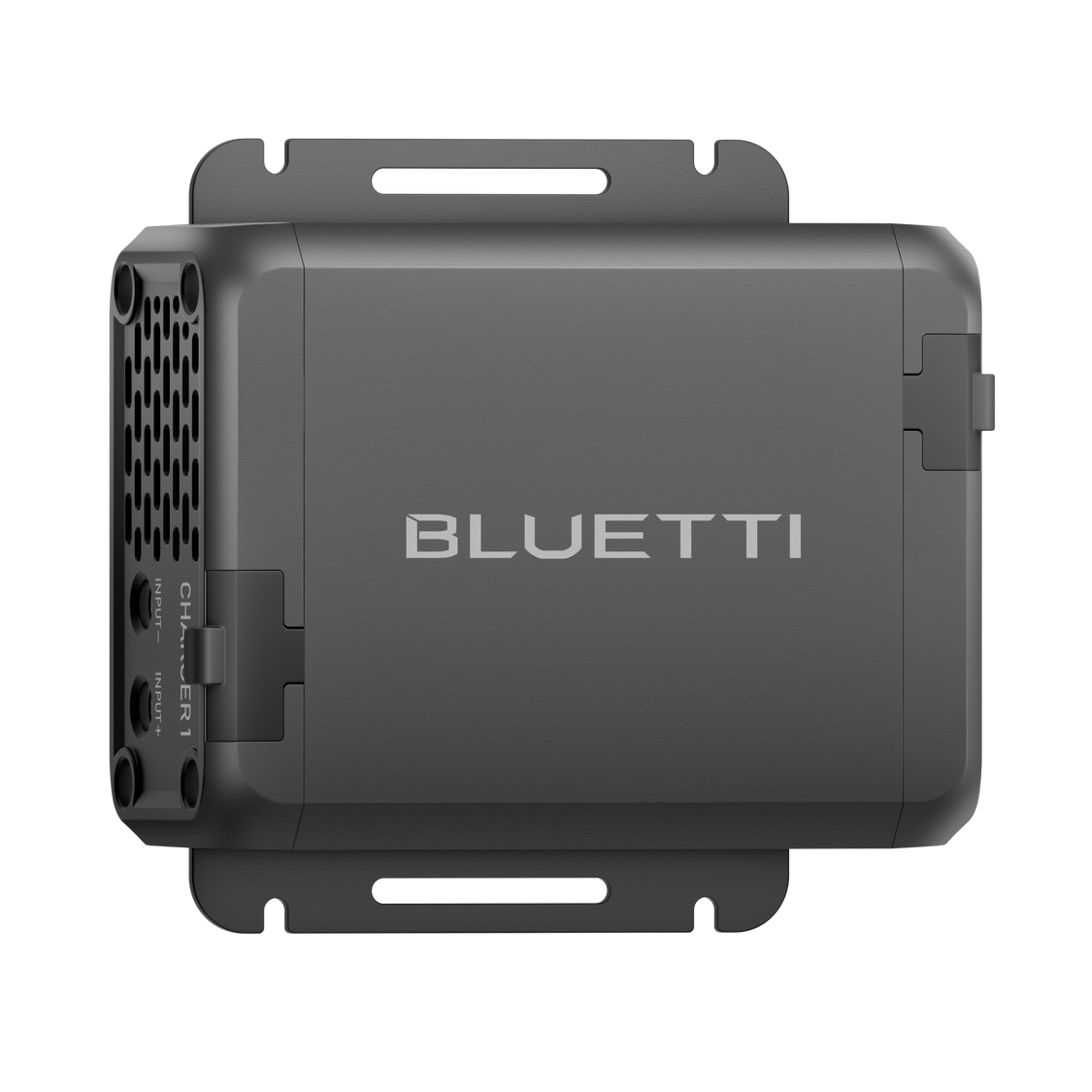
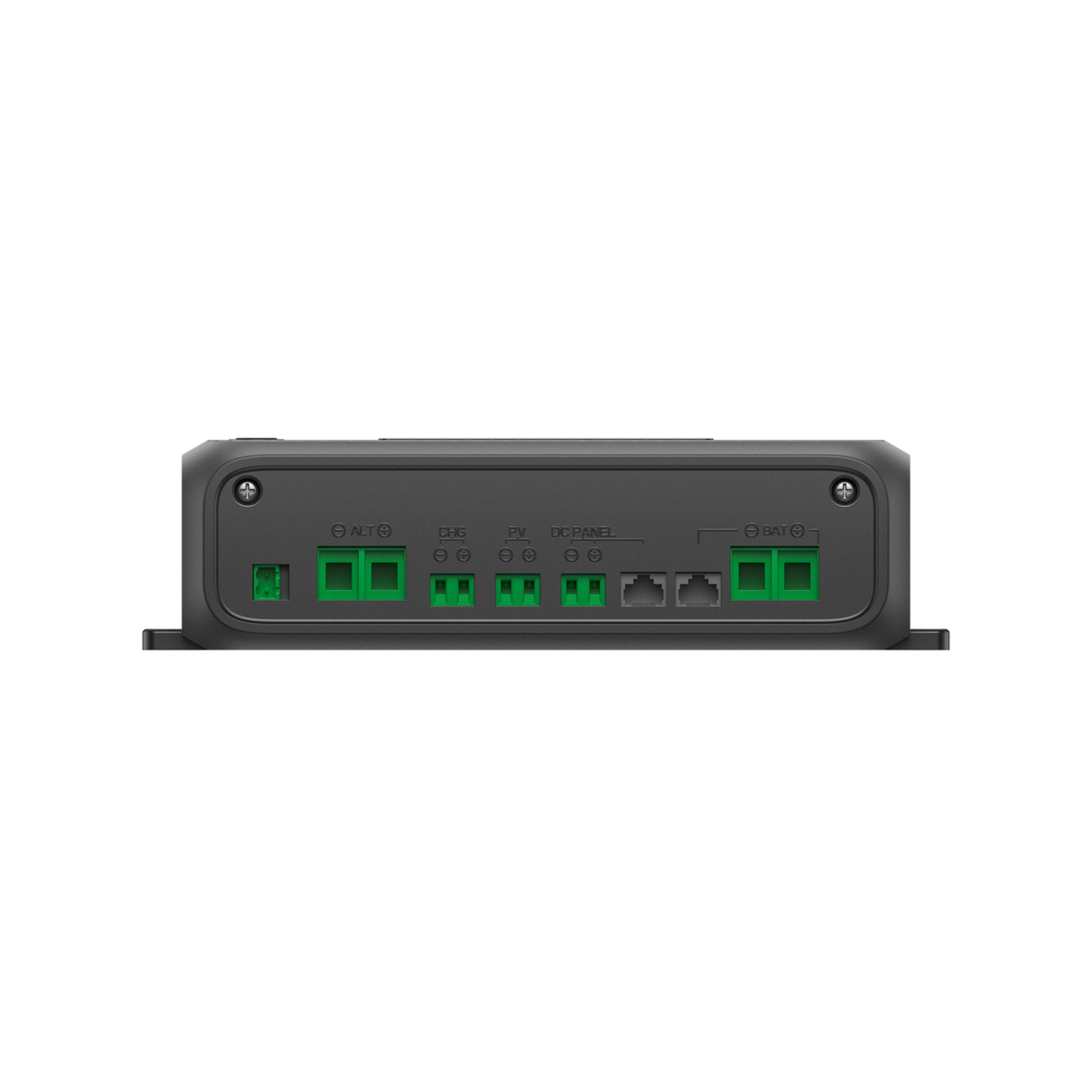
    Opposite side of BLUETTI Charger 1 showing terminals and ventilation
    The opposite side shows the terminals and ventilation. Cable bends and access to connections need space beyond the body itself.

    What a reviewer actually observed

    CGMagazine’s Matt Keith installed Charger 1 in a minivan, charged a BLUETTI AC70P and also tried an unnamed competing station successfully. He found it substantially faster than the supplied car cable and reported straightforward app pairing. He also highlighted conspicuous thick cabling and the lack of weather protection.

    That account supports the basic use case. It does not prove compatibility with every competing brand, establish a measured 560W result for every setup, or guarantee the automatic shutoff will behave identically in your vehicle. Check the manual for your exact equipment.

    How much charging can a drive add?

    For illustration, a station accepting a steady 400W for two hours would receive 800Wh at its input before storage losses. This is arithmetic, not a Charger 1 test result. The unit’s rating cannot predict the energy added without the receiving station’s actual input rate, battery state and driving time.

    Small batteries deserve particular attention. The Elite 30 V2 has a 200W DC input ceiling, so buying a larger alternator charger cannot make that input accept 560W.

    A connected setup and app view

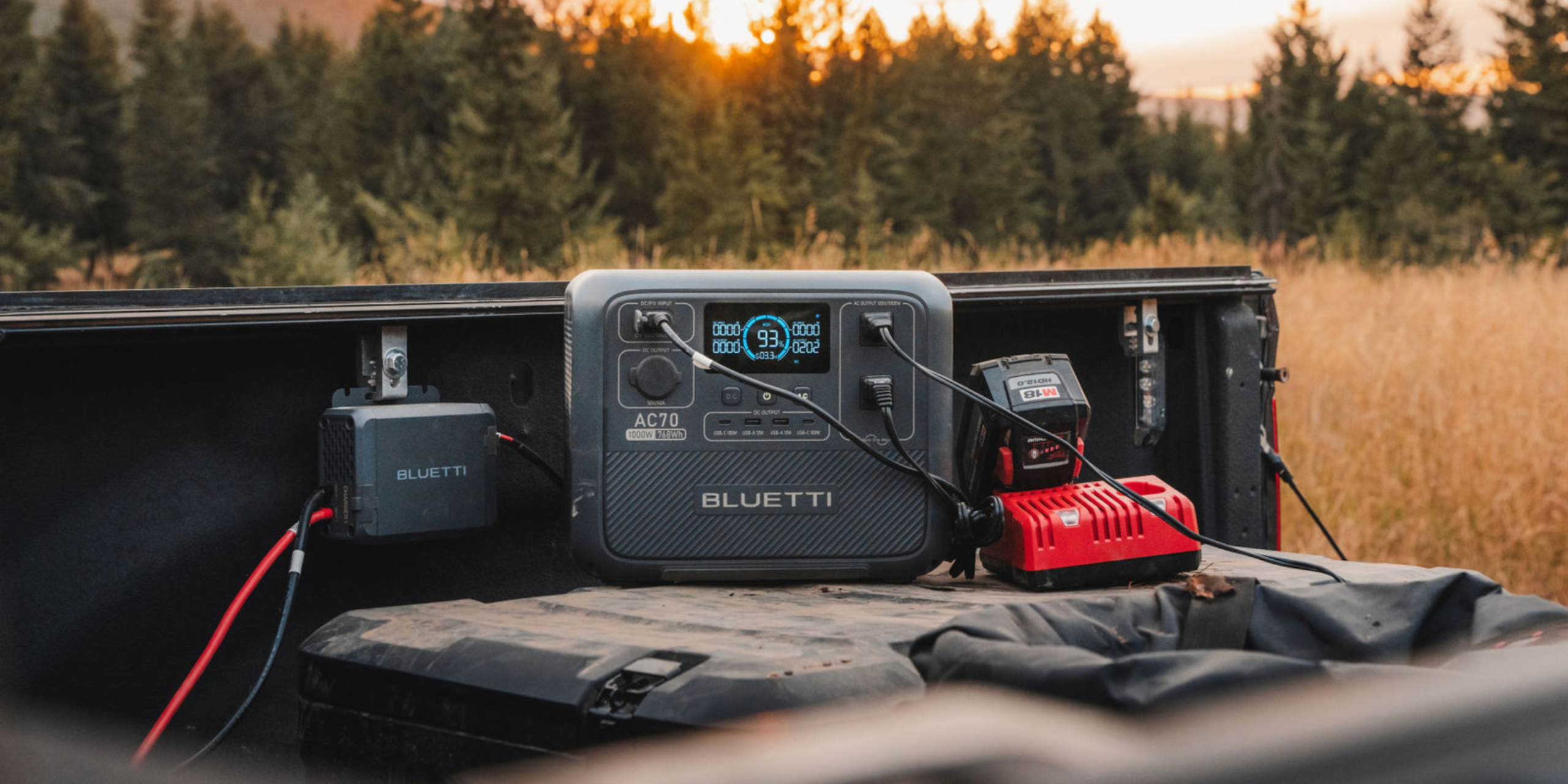
    BLUETTI Charger 1 beside a connected AC70 power station in a pickup truck
    BLUETTI’s connected-setup photo includes an AC70 power station and other equipment sold separately. The open truck-bed scene is a demonstration, not evidence of weatherproofing; Charger 1 requires a dry, protected location.
    Passenger viewing the BLUETTI Charger 1 app inside a vehicle
    The manufacturer shows a passenger checking the app. Pair and adjust the system while safely parked; the app display does not guarantee a particular charging rate.

    When to pay more for Charger 2

    The Charger 2 adds a combined alternator-and-solar arrangement. It makes more sense when your roof panels and driving charge need to work together. Charger 1 normally occupies the station’s solar input; with a single shared input, changing sources means changing the connection. Follow the manufacturer’s instructions before disconnecting or switching cables.

    Verdict and common questions

    7.7/10 — a sensible driving-only option. At the observed $219 price, it is easier to justify for frequent road trips than for a few camping weekends. The score reflects the practical installation report and lower purchase cost, balanced against input limits, installation effort and incomplete long-term evidence.

    Can I plug it into a cigarette-lighter socket?

    It is designed for a wired connection to the vehicle electrical system. If you only want an occasional plug-in top-up, start with the car cable supported by your power station.

    Is installation included?

    The listing price does not establish an installed cost. Confirm the supplied cable kit, adapters and any labor needed before ordering.

    Where should I check current pricing?

    Use the current US product listing. The observed sale price can change; it is not a guaranteed future price.

  • BLUETTI Charger 2

    BLUETTI Charger 2

    The BLUETTI Charger 2 is worth considering when you need both driving and solar charging, but confirm the exact vehicle and power-station combination before buying. Its headline is a combined ceiling: up to 800W from the alternator and 600W from solar, limited to 1,200W total. It does not deliver 1,200W from the vehicle alone. BLUETTI’s US store showed $429 against a $599 list price when checked September 11, 2026.

    Evidence scope: TheClearBuy has not installed or tested this charger. This assessment compares the manufacturer’s specifications with two reviewers’ firsthand installations. Their different results are central to our verdict, not something an affiliate link should hide.

    Who should consider it?

    A van or recreational vehicle that already carries a substantial power station and solar panels is the clearest fit. Bringing both sources into one charger can reduce cable swapping between driving and parking. Someone who only wants occasional driving top-ups should compare the simpler Charger 1 first.

    See the body and connection panel

    Select any image to open the larger version. Images supplied by BLUETTI; these are not TheClearBuy test photos. Equipment and accessories shown may be sold separately.

    BLUETTI Charger 2 housing with cooling fan and mounting tabs
    The housing, fan and mounting tabs. Allow room for ventilation and cable routing.
    BLUETTI Charger 2 connection panel with labeled terminals
    The connection panel has separate labeled terminals. Match each cable to the manual; this photo is not a wiring diagram.

    What the advertised power means

    Manufacturer specification Buying implication
    800W alternator input; 600W solar input The two limits cannot simply be added into a 1,400W output claim.
    1,200W combined ceiling Actual charging also depends on the receiving station’s input limits.
    12V or 24V vehicle systems Check the vehicle, wiring and available alternator capacity.
    Optional DC hub The standalone charger price is not a complete battery or accessory system.

    These are BLUETTI’s published specifications, not our measurements.

    Independent results disagree

    The Solar Lab reported that two units tested in Canada would not exceed roughly 500W from the alternator. The reviewers also could not install the proposed software fix. They suspected a regional issue, but that explanation was not confirmed. Their experience does not establish that every US unit has the same fault.

    Love Your RV initially observed about 660–700W in a Ram truck with an optional 220A alternator, then reported reaching the rated alternator and solar input levels in subsequent testing. That is evidence that higher output is possible, not a promise for a different vehicle. The site also disclosed receiving an expansion battery from BLUETTI.

    Our interpretation: buy for an installation you have checked, not for the largest number on the box. Ask support to confirm the applicable software version, connection method and charging limit for your equipment while you can still evaluate the return terms.

    Connections and the cable kit

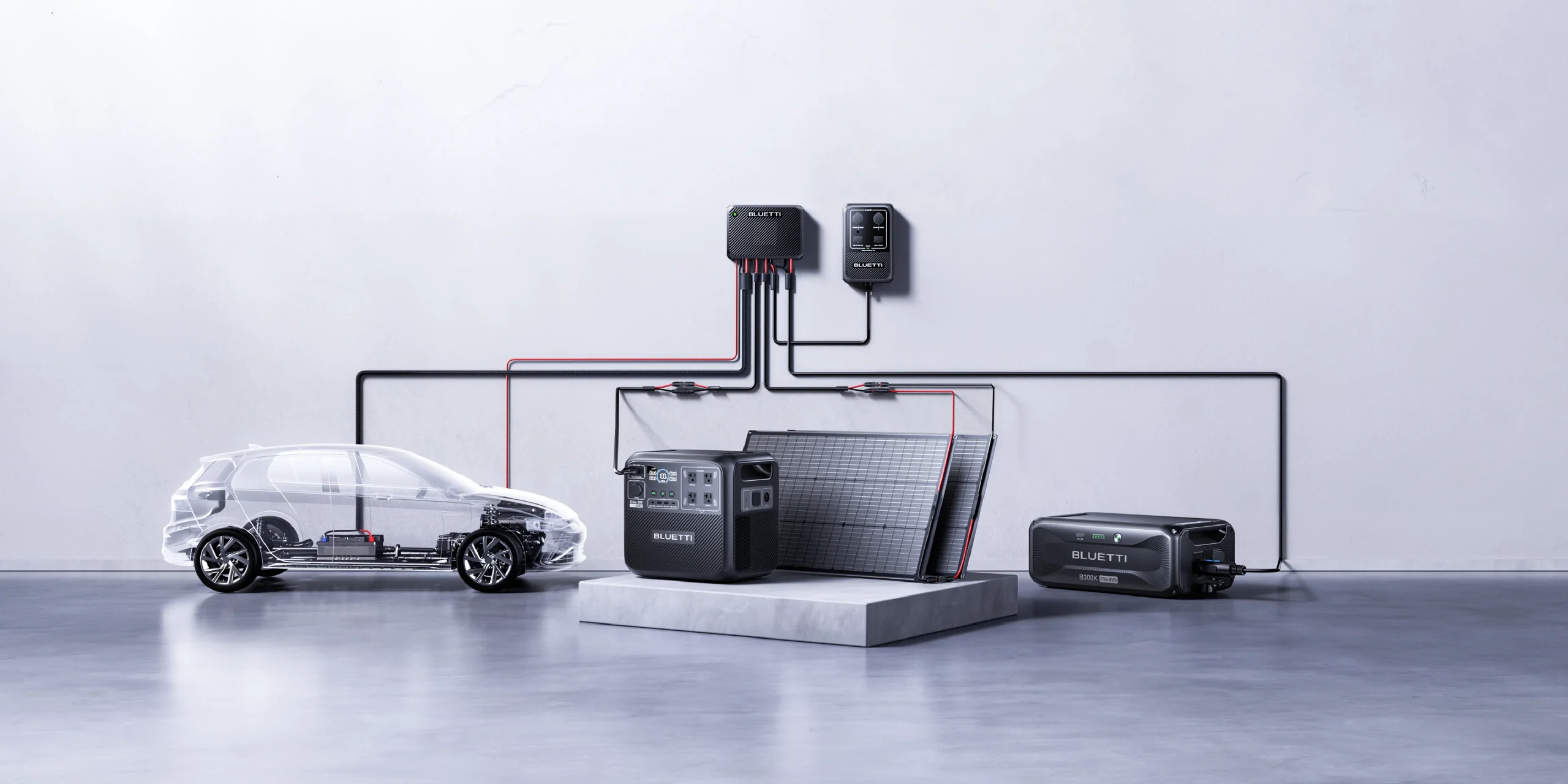
    Manufacturer diagram of Charger 2 connected to a vehicle, solar panel and power station
    BLUETTI’s system illustration shows how the vehicle, solar and storage components relate. The power station, solar panel and optional DC hub are separate components; their limits still apply.
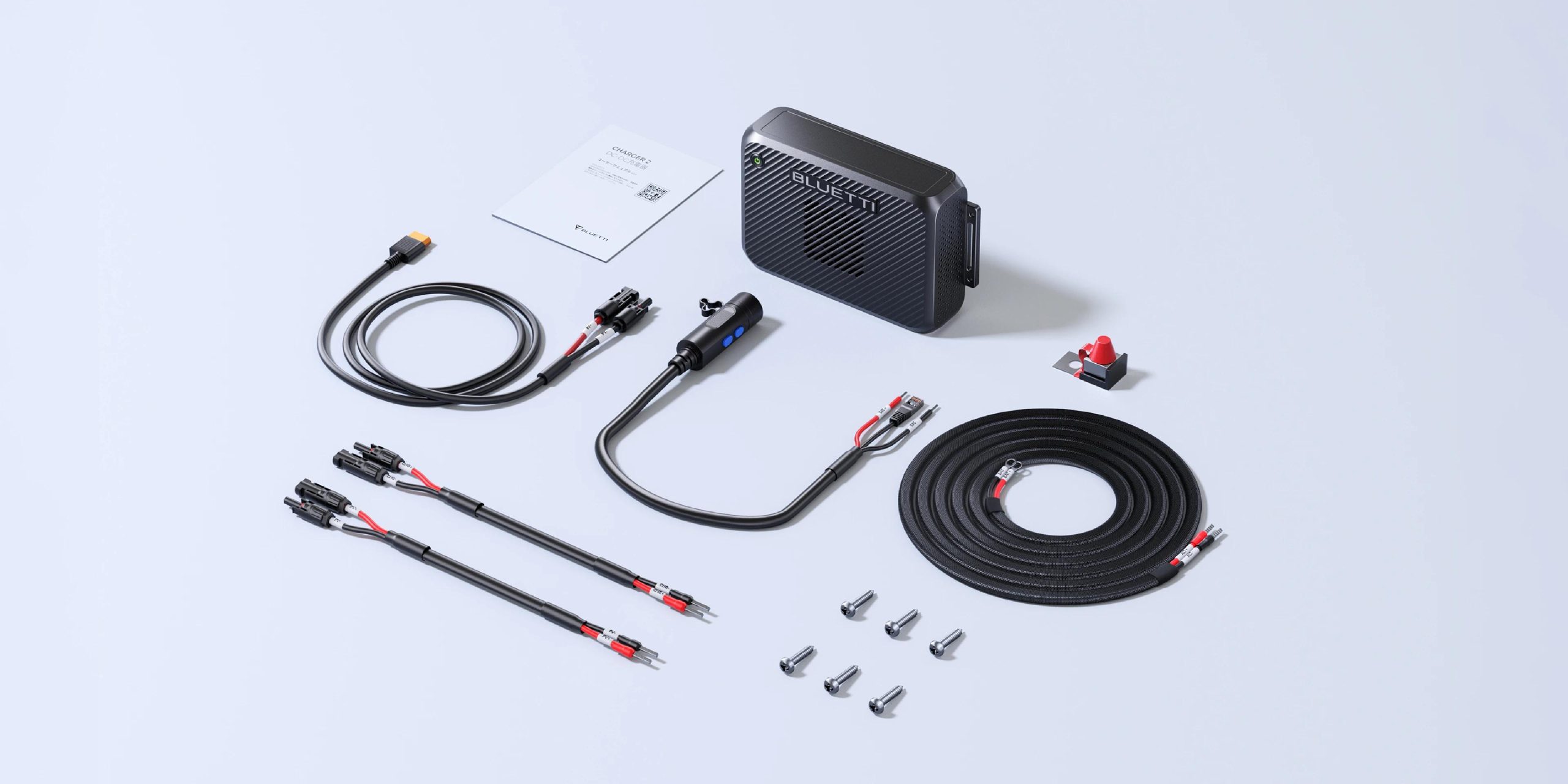
    Charger 2 with cables, fuse, mounting hardware and paperwork laid out
    The manufacturer’s kit photo shows the charger, cables, fuse and mounting hardware. Confirm the contents of the exact package selected before ordering.

    Budget for the installation

    Allow for mounting, cable routing and any required adapters. Have a qualified installer assess the vehicle electrical system if you cannot verify it yourself. Do not assume an exposed truck bed is a suitable mounting location. Neither published test above establishes years of reliability or a guaranteed support turnaround.

    Installed setup and app controls

    Charger 2 and optional power equipment mounted inside a camper van
    An example camper installation from BLUETTI. The larger battery and optional hub shown are not included in the standalone charger price.
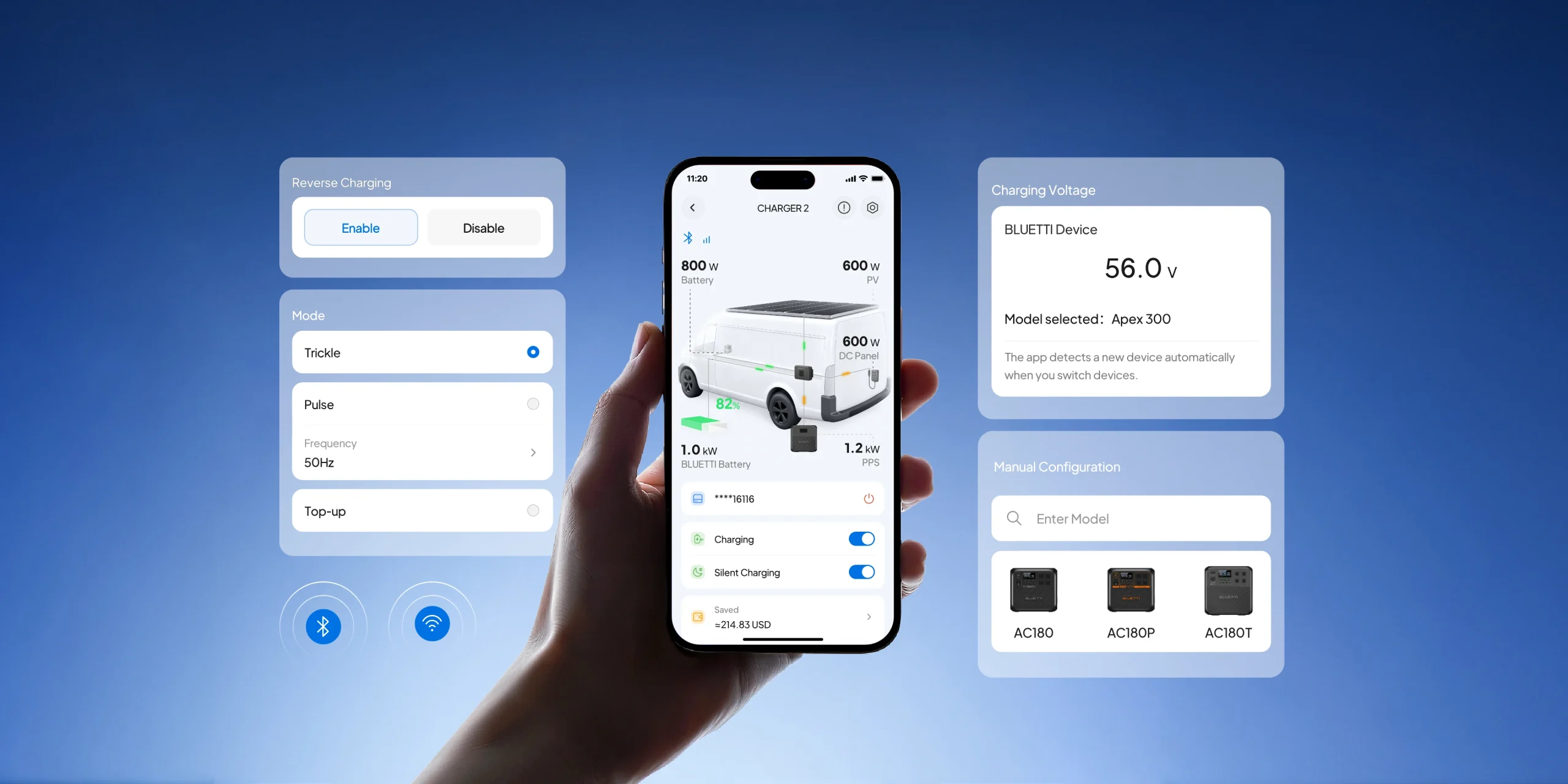
    BLUETTI Charger 2 app screens illustrating charging controls
    Manufacturer app screens illustrate monitoring and charging settings. Screen values are examples, not measured performance; controls may vary with software and connected equipment.

    Charger 2 or Charger 1?

    Choose Charger 2 when concurrent solar charging solves a real problem. Choose the cheaper Charger 1 when driving-only charging meets your needs. For a small station such as the Elite 30 V2, its own input limit can erase much of the benefit of the larger charger.

    Verdict and common questions

    7.1/10 — useful with compatibility caveats. The combined-input design is appealing, but conflicting installation results reduce our confidence. This is a conditional choice for a checked setup, not an automatic upgrade.

    Does it store electricity?

    No. Budget separately for the compatible power station or battery system.

    Will every station accept the full output?

    No. Its supported voltage, current, connector and input power determine what it can accept. A matching plug alone is insufficient.

    Is the advertised price the total installed cost?

    No. The $429 observed price was for the charger; accessories, installation and the storage battery can add to the total. Check the selected package and current price at purchase.

  • Segway SuperScooter GT3 Pro

    Segway SuperScooter GT3 Pro

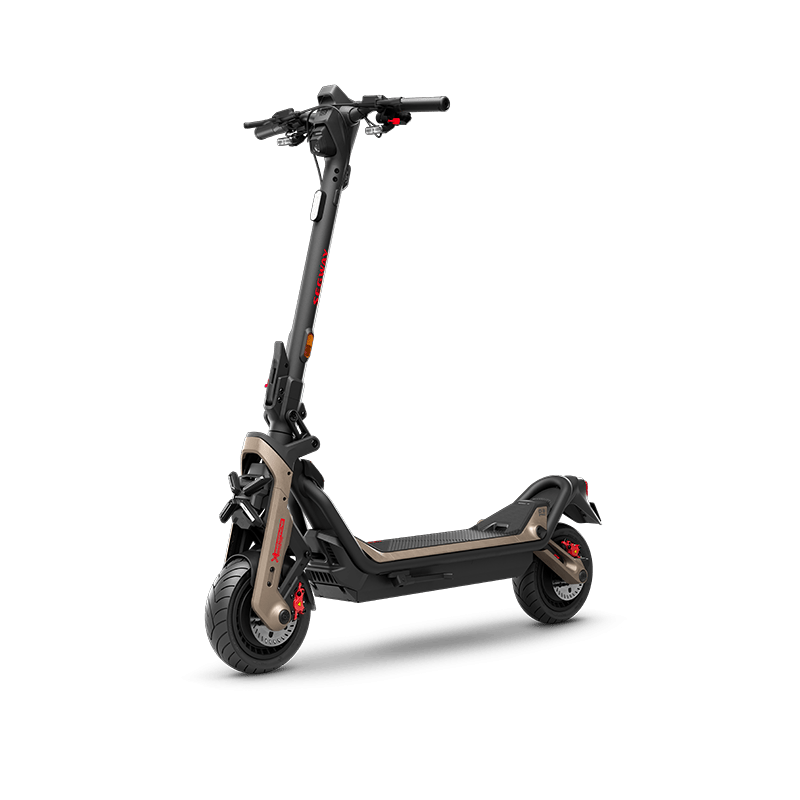
    Segway built the GT3 Pro to prove a 50 mph scooter can feel civilized, and the independent numbers mostly back the pitch: dual 1,700W hub motors, a 72V 2,160Wh battery, hydraulic discs and full hydraulic suspension, with GPS testing landing at 48 to 49 mph against the 50 mph claim. Real-world range came in around 45 miles with a 190 lb rider, matching Segway’s own Sport-mode figure rather than the 86-mile headline. Freshly Charged called it “the best 50 mph scooter you can buy right now.” The trade is bulk and patience: 117 pounds of machine and roughly 8 hours on the included charger. At $2,699.99 list, with Amazon periodically near $2,500, it undercuts most scooters that go this fast.

    Who it’s for

    This is a machine for the rider who wants hyperscooter speed without hyperscooter jank. Segway’s pitch is refinement: traction control, turn signals, an anti-lock braking option, UL 2272 certification, and an app that can cap the charge level to preserve the battery. Reviewers describe it as Segway’s most polished model yet, and the measured numbers land close to the claims, which is rarer in this segment than it should be.

    It is emphatically not a commuter you carry. At 117.1 lbs the GT3 Pro outweighs many electric mopeds, and while it folds, folding mostly helps it fit in an SUV trunk with two people lifting. Segway also publishes a required rider height of 5.3 to 6.6 feet and a 330 lb payload ceiling, so very short and very tall riders should try before buying.

    • Riders who want 45 mph or more with name-brand parts and support behind it
    • Owners with a garage or ground-floor storage next to an outlet
    • Heavier riders up to 330 lbs who want a planted, full-size deck
    • iPhone users, who get the full anti-theft feature set including Find My
    • Not for anyone who must carry their scooter up even one flight of stairs

    Key specs

    Spec Detail
    Motors Dual 1,700W nominal hub motors, 3,500W peak each, 7,000W combined
    Battery 72V 30Ah (2,160Wh), UL 2272 certified, app-set charge limit
    Charging Approx. 8 hours with the included 332W charger
    Top speed 50 mph claimed; 48 to 49 mph GPS-verified by independent testers
    Range 86 mi Eco claim at 15.5 mph; 45 mi Sport claim; about 45 mi measured with a 190 lb rider
    Brakes Front and rear hydraulic discs, dual-piston calipers, 140mm ventilated rotors
    Suspension Double-wishbone hydraulic front, trailing-arm hydraulic rear, adjustable stiffness
    Tires 11-inch self-sealing tubeless, 29 to 35 psi
    Weight, load, sealing 117.1 lbs net, 330 lbs max payload, IPX6 water resistance

    Living with it

    The headline virtue is that the GT3 Pro delivers what the box promises. Electric Scooter Guide’s GPS logged 48 mph while the display read 50; Freshly Charged’s GPS runs hit 49. Both clocked 0 to 30 mph in about 4 seconds. More telling is the range honesty: the 45-mile Sport claim is almost exactly what a 190 lb tester recorded in real riding. The 86-mile number requires Eco mode at 15.5 mph, which nobody buys this scooter to do, but at least the realistic figure sits on the same spec sheet.

    Stability is the second virtue. The 41-inch wheelbase, 11-inch tires and double-wishbone front end keep the chassis composed at speeds where lighter scooters wander, and testers consistently praised how undramatic 45 mph feels. Braking hardware matches the speed: dual-piston hydraulic calipers on 140mm ventilated rotors stopped Electric Scooter Guide’s test unit in 5 feet from 15 mph, and Freshly Charged measured 12 feet from 20 mph. An electronic ABS layer is there for panic stops.

    Now the frictions. Charging is the big one: the included charger is only rated at 332W, so an empty 2,160Wh pack needs roughly 8 hours by Segway’s own figure. Rivals in this class offer 3-hour fast charging; Segway does not, and after a 45-mile day you will feel that gap. Reviewers also noted measurable standby battery drain when the scooter sits unridden, so a monthly top-up is part of ownership.

    Small annoyances accumulate around the edges. The automatic parking mode engages on its own when the scooter idles, which Electric Scooter Guide found frustrating in stop-and-go use. Adjusting the rear shock requires special tools rather than a hand dial. And the anti-theft story is lopsided: the abnormality alarm works everywhere, but Apple Find My integration means iPhone owners get location tracking while Android owners do not.

    One more expectation to calibrate: despite 5.5 inches of ground clearance and marketing photos on dirt, the suspension tune and slick-profile tires are built for pavement. Testers who took it off-road came back describing a street scooter that tolerates gravel, not a trail machine.

    Cost of ownership

    List price is $2,699.99 at Segway’s official store, which as of late August 2026 shows no discount. Amazon has been verified near $2,500, a modest cut rather than the deep street discounts NAVEE buyers enjoy, so budget close to full price.

    Electricity is a rounding error: a full 2,160Wh charge costs about 37 cents at typical US residential rates, under $60 a year even charging three times a week. Consumables are not. Eleven-inch self-sealing tubeless tires cost more than commuter rubber and the rear wears fast under 7,000W of peak power; hydraulic pads and periodic fluid service add shop visits. Budget $150 to $300 a year for a rider who actually uses the performance. On the plus side, Segway sells spare parts directly and its US parts and service network is the deepest in the scooter business, which matters in year three.

    The legal reality deserves eyes-open acknowledgment. Segway’s own spec page carries a long compliance warning noting that states such as New York, Florida, Arizona and New Jersey cap the speed of scooters allowed on public roads, and most states limit e-scooters to 15 to 25 mph. A 50 mph machine spends most of its capability on private property or in legal gray zones, and that is a cost you should price in before checkout, not after a ticket.

    How it compares

    The NAVEE UT5 Ultra X lists at $2,499 and frequently sells near $2,099, undercutting the Segway meaningfully. It charges in 3 hours to the Segway’s 8 and its braking feel drew specific praise. But it measured 44 mph to the GT3 Pro’s 48 to 49, its 30 to 33 mile real-world range trails by a third, and its throttle dead zone and misplaced boost button are flaws you feel on every ride. For most buyers, Segway’s controls, range and support network justify the gap.

    The Apollo Phantom Stellar at $2,799 is the closer fight: independent testing has clocked it at 49 mph with about 37 miles of range, and Apollo’s software polish is genuinely competitive. The Segway answers with a bigger battery, longer measured range and a vastly larger dealer footprint.

    The cheaper sibling matters too. The Segway SuperScooter GT3 lists at $1,899.99 and regularly dips below $1,700, with the same 11-inch tires and dual suspension but a 31 mph cap and around 45 miles of claimed range. If your riding lives under 30 mph anyway, the standard GT3 delivers most of this experience for $800 to $1,000 less.

    FAQ

    Is the 86-mile range figure achievable?

    Only in Eco mode at a steady 15.5 mph, per Segway’s own footnote. The honest number is the Sport-mode claim of 45 miles, which independent testing with a 190 lb rider essentially confirmed. Ride Race mode hard and plan on 30 to 34 miles.

    How long does a full charge take?

    About 8 hours from empty with the included 332W charger, and Segway sells no fast-charge option for this model. Overnight charging suits daily riders; a lunch-stop refill is impossible. The app’s charge-limit setting is worth using to extend battery life.

    Do I need an iPhone to get the full feature set?

    For anti-theft, effectively yes. The built-in Apple Find My integration gives iPhone owners network-wide location tracking of a stolen scooter; Android users get the motion alarm and app lock but no equivalent tracking. Core riding features work identically on both platforms.

    Bottom line

    Buy it if you want the fastest scooter that still behaves like a mainstream product: GPS-verified 48 to 49 mph, a real 45-mile range, 5-foot stops from 15 mph, and the parts network to keep it running for years. At $2,699.99 it costs less than the Apollo Phantom Stellar and out-performs the cheaper NAVEE UT5 Ultra X nearly everywhere except charge time.

    Skip it if you need to carry your scooter, ever — 117 pounds is a two-person lift — or if an 8-hour recharge breaks your riding pattern, where the NAVEE’s 3-hour fast charge is genuinely better. Skip it too if your riding never exceeds 30 mph: the standard Segway GT3 keeps the chassis DNA for around $1,000 less, and in most states it is also the only version whose top speed you can legally use.

  • Wonder Oven Pro

    Wonder Oven Pro

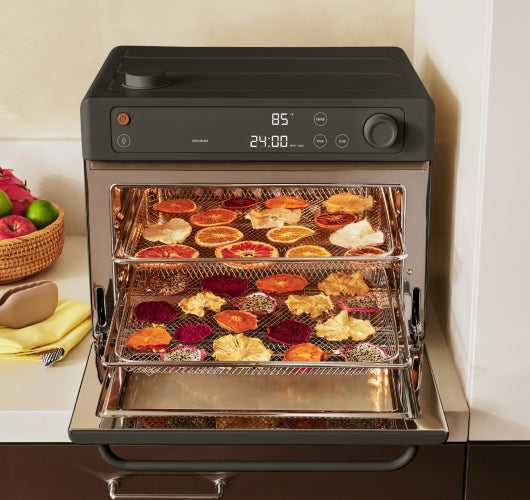
    Our Place built the Wonder Oven Pro for households that outgrew the original Wonder Oven, and the core promise holds up: 28 liters of capacity swallows a whole chicken or a 12-inch pizza, the oven preheats in five minutes or less, and reviewers who cooked with it for a month or longer came away recommending it. The flaws are specific rather than fatal. Reviewed documented a front-to-back browning gradient with fries and zucchini chips, the timer starts counting the moment preheat ends, and a handful of early owners report units arriving dead. At $325, with capable mid-range countertop ovens selling between $150 and $250, this is a good appliance wearing a premium price tag.

    Who it’s for

    This oven targets the family cook who uses a countertop oven as an actual oven, not a toast machine. Three rack levels, a 28-liter cavity, and eight modes including proof and dehydrate mean it can carry most weeknight dinners on its own, and the digital touchscreen replaced the original model’s analog dials with precise time and temperature control. The other pillar of the pitch is materials: a stainless steel interior, quartz and stainless heating elements, and accessories Our Place says are free of PFAS. No mainstream competitor leans on the non-toxic angle this hard, and for chemically cautious buyers that alone shortlists it.

    Small-kitchen cooks should measure twice. The Pro is 16.75 inches wide, 13 inches tall, and 18 pounds, so it claims permanent counter space. And a single person mostly reheating leftovers pays for capacity they will rarely load; the original Wonder Oven does the everyday jobs for $140 less.

    • Families cooking dinner for three to five people most nights
    • Buyers who want PFAS-free, mostly stainless construction
    • Cooks replacing a toaster oven and a basket air fryer with one unit
    • Design-conscious kitchens where the appliance stays on display

    Key specs

    Spec Detail
    Functions 8 modes: air fry, bake, roast, toast, broil, proof, dehydrate, reheat, plus steam infusion
    Capacity 28 L, three rack levels; fits a whole chicken or a 12-inch pizza
    Power 1,700W, 120V
    Temperature range 80–450°F
    Dimensions 16.75 x 13.25 x 13 in exterior; 13.75 x 13 x 7.75 in interior
    Weight 18 lb
    Materials Stainless steel interior, quartz and stainless heating elements, PFAS-free accessories
    Warranty and trial 1-year limited warranty, 100-day risk-free trial with free returns
    Price and colors $325 in Blue Salt, Char, Cream, Pistachio; $349 in Stainless Steel

    Living with it

    Speed is the strongest trait. Forbes Vetted used the oven for a month and consistently saw preheat finish in five minutes or less, and Reviewed crisped frozen sourdough toast in three and a half minutes at 350°F. Our Place claims 60 percent faster preheating and up to 40 percent faster cooking than a traditional oven, and while those exact percentages come from the marketing department, the independent hands-on numbers support the spirit of the claim.

    Evenness is the documented weakness. In Reviewed’s testing, fries at the front of the tray came out crisp and browned while the ones at the back edged toward charred, and a batch of zucchini chips repeated the pattern. Nearly every countertop convection oven has some gradient, but this one is pronounced enough that you should plan to rotate the pan halfway through anything you care about.

    The controls mostly earn their keep. Operation is a three-step affair: pick a mode, set time and temperature, press start, and every preset can be adjusted mid-cook. There is no app and no Wi-Fi, which means nothing to pair and nothing to disconnect. Two quirks grate, though. The timer starts counting the instant preheat completes, so you are racing your own oven to load the food, and time adjusts only in 30-second increments, which Forbes Vetted flagged as an annoyance for precise bakers.

    Steam infusion is more modest than the name suggests. You add one to two teaspoons of water after preheating, and the resulting burst of moisture genuinely helps day-old bread and reheated pastries. It is a nice touch, not a reason to pick this machine.

    Owner sentiment is positive but not unanimous. An aggregation of Reddit threads runs about two-thirds positive, praising the simple interface and the all-in-one versatility. Cleanup reports split: Reviewed found grease buildup minimal, while at least one owner calls the oven hard to clean. The more serious pattern is a recurring report of units arriving broken, which makes the first weeks of ownership a testing period, not a honeymoon. None of the major hands-on reviews flagged fan noise as a problem.

    Cost of ownership

    List price is $325 for the four painted colors and $349 for Stainless Steel, and at the time of writing the product page shows no discount. The brand runs sitewide sale events through the year, so patient shoppers may do better. The 100-day trial with free returns is the standout term here, and free shipping applies over $135.

    Running costs are small. The oven draws 1,700W at most, so even a full hour of cooking every day works out to roughly 30 cents daily at average US residential electricity rates, and realistic use is well below that. Because it preheats a small cavity instead of a full-size oven, it also trims summer kitchen heat and the energy that goes with it.

    There are no true consumables. The ceramic-coated pan and steel accessories will wear out before the oven does, and Our Place sells replacements, so budget a modest accessory refresh over a multi-year life rather than ongoing supply costs.

    The one-year limited warranty is thin for a $325 appliance, and Our Place is still young as an appliance maker, so there is no long-term reliability record to lean on. Given the dead-on-arrival reports from some owners, treat the 100-day window as your real protection: run every mode, including dehydrate and proof, well before it closes.

    How it compares

    The Breville Smart Oven Air Fryer Pro lists at $399.95 and regularly sells near $320, which puts it directly against the Wonder Oven Pro. It is the long-standing benchmark of the category with 13 functions and a deep track record. Breville makes no PFAS-free claim, the styling is far more utilitarian, and there is no steam feature; the Wonder Oven Pro answers on materials and looks, Breville on pedigree.

    The Ninja Double Stack XL takes a different shape entirely: two stacked oven zones that cook two dishes at once, at a list price around $330 that frequently drops to $250. It wins on flexibility per dollar and loses on aesthetics and the non-toxic materials pitch. If your constraint is feeding a family fast rather than what sits on the counter, the Ninja is the harder-nosed buy.

    The cheaper sibling matters most. The original Our Place Wonder Oven costs $185, keeps the steam infusion, and covers six of the eight modes with analog dials in a compact body. Forbes Vetted, which liked the Pro, still wished its upgrades came in the smaller size. For one or two people, the original is the smarter purchase.

    FAQ

    Can it replace a full-size oven?

    For most weeknight cooking, yes. A whole chicken, a 12-inch pizza, or three levels of trays fit, and the 450°F ceiling covers everything short of serious pizza ambitions. It cannot take a full-size sheet pan or a holiday turkey, so most households will treat it as the daily oven and keep the big one for occasions.

    Is the steam function a real steam oven?

    No. You spoon one to two teaspoons of water into the oven after preheating, which releases a burst of steam that helps bread, reheated pastries, and dry leftovers. A true combi-steam machine like the Anova Precision Oven controls humidity continuously; this is a moisture assist, and judged as that, it works.

    What if mine arrives damaged?

    Owner threads include repeated reports of units arriving broken, so unbox it promptly and test every mode. The 100-day risk-free trial with free returns covers you completely in that window, and a 1-year limited warranty applies after. Do not let a new unit sit in the box for a month.

    Bottom line

    Buy it if you cook for a family, want one machine to replace a toaster oven and an air fryer, and care about PFAS-free construction or how the thing looks on your counter. The five-minute preheat and genuine capacity are the substance behind the styling, and Forbes Vetted concluded it was “well worth the real estate.” Rotate your pans and the browning gradient becomes a shrug.

    Skip it if your kitchen or household is small, in which case the $185 original Wonder Oven does the daily jobs in half the footprint, or if you want maximum proven performance per dollar, where the Breville Smart Oven Air Fryer Pro at street price and the Ninja Double Stack XL both make stronger cases. And if steam is the feature you actually want, buy a real steam oven; this one only gestures at it.

  • Gossamer Gear Mirage 40

    Gossamer Gear Mirage 40

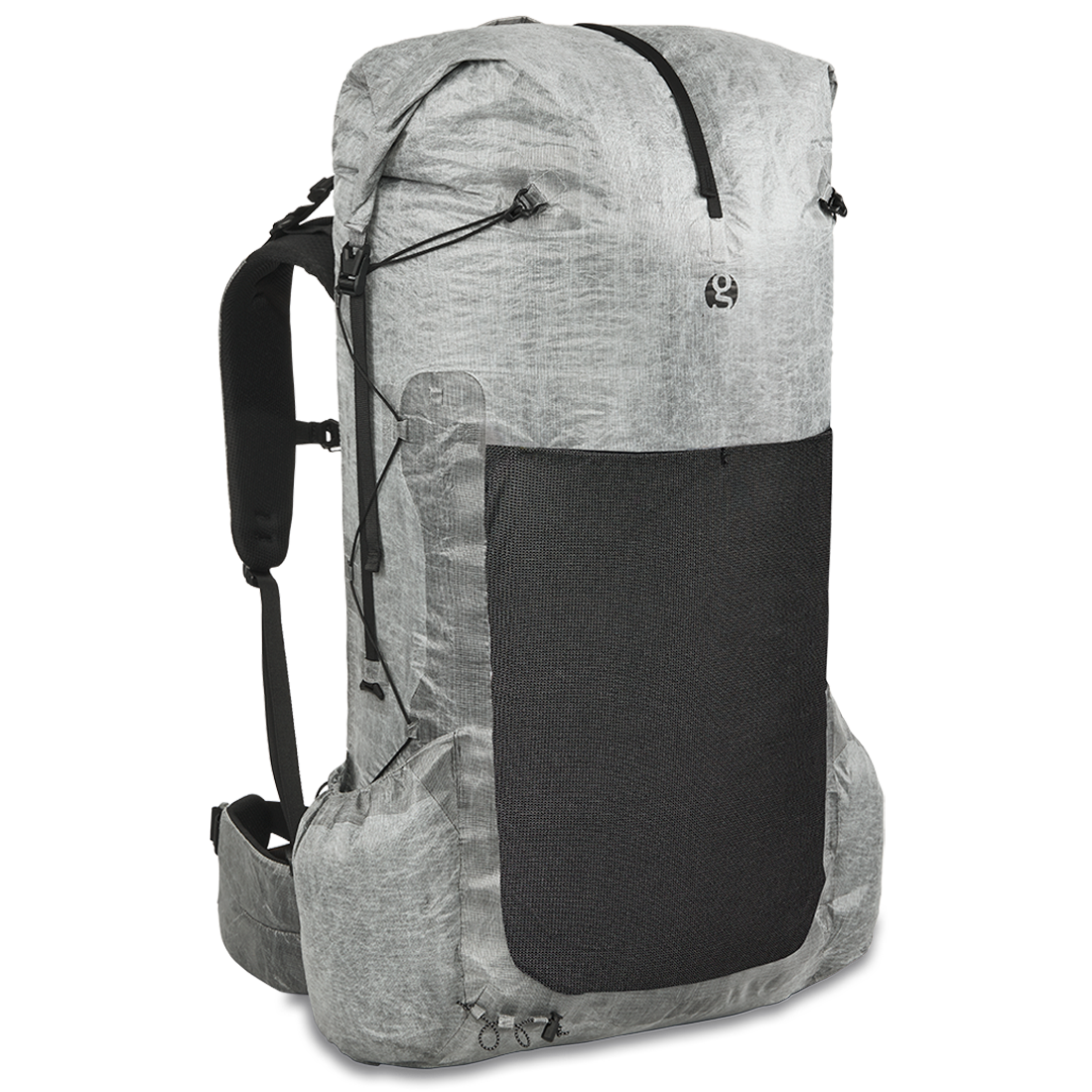
    Gossamer Gear built a 40-liter framed backpack that weighs 18.6 oz, which no one had managed before. The Mirage 40 gets there with heat-bonded ALUULA Graflyte V52, a fused mono-polymer fabric with no adhesives and no stitching on the main seams. At $450 it asks a premium price for a pack that reviewers say abrades more easily than rival ultralight fabrics and ships with no hipbelt or shoulder pockets at all.

    Who it’s for

    This pack targets experienced ultralight hikers with a base weight already under 10 pounds, hiking maintained trail. If your kit fits inside 25 pounds loaded with food and water, and you walk trail corridors rather than scrambling through talus, the Mirage rewards you with a carry that several reviewers called unusually painless for the weight class.

    It also suits anyone who hikes in genuinely wet country. Full interior seam taping and a waterproof polyethylene shell mean the pack body sheds water without a liner, which is rare at this weight.

    Everyone else should look elsewhere. New backpackers, anyone carrying bear canisters plus multi-day food, off-trail hikers, and people who set their pack down on granite will find the fabric and the load ceiling frustrating. Gossamer Gear’s own Mariposa and half a dozen competitors handle rougher use for less money.

    Key specs

    Spec Detail
    US price $450
    Capacity 40 L total, including pockets
    Weight 527 g / 18.6 oz complete; 507 g / 17.9 oz body only
    Max carry weight 25 lb
    Frame Carbon fiber X-frame, 0.125″ solid rods connecting into the hipbelt
    Main fabric ALUULA Graflyte V52 (100% polyethylene), PFAS-free, full interior seam taping
    Fit range Torso 16″ to 20″; hipbelt waist 28″ to 44″
    Dimensions 23.6″ to extension collar, 29.9″ to top; 11.8″ wide; 6.3″ deep

    Living with it

    The carry impresses people. Field Mag’s Mirage tester finished a three-day winter backpacking trip in Utah without shoulder pain for the first time and credited the carbon X-frame, which transfers load into the hipbelt rather than hanging it off the straps. The harness stays thin on padding and still works, a combination most brands fail at.

    Durability is where the reporting turns critical. Backpacker’s reviewer found that after less than a month of testing, Graflyte V52 tore and abraded more readily than other UHMWPE fabrics, that the sample pack already showed wear, and that the pack needs to be babied and would be a poor choice for climbers or scramblers. Field Mag reached a milder version of the same conclusion, reporting that the Aluula body held up but the stretch mesh front pocket developed small holes after minor contact with rocks.

    Repairs are at least straightforward. A patch of spare Graflyte and a ski wax iron bonds a tear closed, no sewing required. That is a genuine advantage over laminated Dyneema composite, which delaminates at the edges of a repair.

    Several smaller irritations show up across reviews. The frame’s adjustment buckle can press into your spine during unusual movements. The side water bottle pockets use non-stretch fabric with cinch closures, limiting bottle size. And the one-size body works against unusual proportions, with the frame sitting high on shorter torsos.

    Cost of ownership

    Start at Gossamer Gear’s $450 list price. The Mirage arrives with no hipbelt pockets and no shoulder strap pocket, so most buyers add the Alchemy Hipbelt Pocket at $35 and the Alchemy Shoulder Strap Pocket at $45. A realistic out-the-door figure lands near $530, and Field Mag warned that the add-on hipbelt pockets slide off as easily as they slide on when you take the pack off.

    Then account for replacement risk. The documented abrasion sensitivity means this pack asks you to change habits: set it down on your foam pad, avoid rock scrambles, keep it off gravel. Owners who do that should get years out of it. Owners who do not will be patching sooner than they would on a Robic nylon or Dyneema woven pack.

    Availability is its own cost. The Mirage 40 has been sold out on Gossamer Gear’s site for stretches, so factor in waiting or paying retail elsewhere.

    How it compares

    Durston‘s Kakwa 40 is the value benchmark at $250. It weighs 27.8 oz in medium, nearly 10 oz more, and carries a claimed comfortable capacity of 45 pounds against the Mirage’s 25. For $200 less you get a tougher pack that handles bigger loads, and you pay for it in ounces.

    Hyperlite Mountain Gear‘s Southwest 40 sits at $349 and 1 lb 13.9 oz in medium. Its 2025 refresh moved to a Dyneema woven composite that is more durable than the old DCF with no weight penalty, and it comes with proper external pockets. It is the direct competitor for wet-weather ultralight hiking and the more rugged choice.

    ULA‘s Circuit at $300, or the Ultra Circuit at $380, offers the load-carrying comfort ULA is known for at heavier weights than the Mirage. It suits hikers whose base weight sits in the 12 to 15 pound range.

    Osprey‘s Exos 48 costs $260 and weighs 2 lbs 13 oz. It brings a ventilated frame, real pockets, a full retail return path, and durability that shrugs off treatment the Mirage cannot handle. It weighs more than twice as much.

    The pattern is clear. The Mirage wins on weight by a wide margin and loses on price, durability, load ceiling, and included features to every pack listed above.

    FAQ

    How durable is Graflyte V52?

    Less durable than competing UHMWPE fabrics in Backpacker’s early sample test, according to Backpacker, whose reviewer said the sample showed wear within a month and recommended against it for climbers and scramblers. The fabric resists water and delamination well, since it has no adhesives or coatings to fail. It resists abrasion poorly. Field Mag found the stretch mesh front pocket to be the weakest point, holing after light rock contact.

    Does it come with hipbelt pockets?

    No. The Mirage ships with two side water bottle pockets and a stretch mesh front pocket only. Gossamer Gear sells the Alchemy Hipbelt Pocket for $35 (0.7 oz) and the Alchemy Shoulder Strap Pocket for $45 (0.9 oz) as separate purchases, adding $80 to the real cost of a fully outfitted pack.

    How much weight can it carry?

    Gossamer Gear rates it at 25 pounds maximum. Field Mag tested around 17 pounds on a winter trip and expected comfort to fall off near the upper limit. Treat 25 pounds as a hard ceiling rather than a target, which in practice means a base weight near or below 10 pounds once you add food and water.

    Bottom line

    The Mirage 40 is a legitimate engineering achievement and a difficult recommendation at $450. Gossamer Gear hit a weight no one else has reached at 40 liters with a real frame, and the carry comfort backs up the spec sheet. The fabric that made it possible is also the reason reviewers tell you to baby it.

    Buy it if you already hike ultralight, stay on trail, and want the lightest framed 40L pack that exists. Skip it if you carry more than 25 pounds, hike off-trail, or want the $450 to include the pockets. At current pricing the Durston Kakwa 40 and Hyperlite Southwest 40 are the smarter buys for most hikers, and neither asks you to change how you set your pack down.

  • Heybike Hauler

    Heybike Hauler

    The Heybike Hauler packs a 750W motor, dual-battery capability, front and rear turn signals, and a 440-pound payload rating into a cargo bike that regularly sells near $1,399, several hundred below the category norm. Independent testing found frame flex under load, motor engagement that sometimes takes multiple crank rotations, and a curb weight around 102 pounds in dual-battery trim. Those are meaningful problems in a bike meant to carry a child.

    Who it’s for

    The Hauler makes sense for a budget-limited household that needs to move groceries, gear, or a single passenger a few miles at a time and cannot spend $2,000 on a cargo bike. Two integrated racks come standard, front and rear, and the low standover suits shorter riders. Heybike quotes a fit range of 5’3″ to 6’6″.

    The dual-battery version, adding a 600Wh external pack to the 864Wh internal one, targets riders with long commutes or hilly errands where a single pack falls short. That configuration also pushes the bike past 100 pounds, so consider where you will store and charge it before you order.

    Skip the Hauler if you carry heavy loads frequently, if you ride fast on rough roads, or if you need to lift the bike at all. Riders who care about handling precision should spend more elsewhere. Anyone hauling a child daily should weigh the tested frame flex seriously against the savings.

    Key specs

    Spec Detail
    Motor 750W nominal, 1,400W peak geared rear hub, 80 Nm
    Battery 48V 18Ah (864Wh) integrated; optional second 48V 12.5Ah (600Wh) external pack
    Range (claimed / tested) 55 miles single and 85 miles dual claimed; Electric Bike Report measured about 51 miles on the single pack with no cargo
    Weight 93.3 lb single battery, 101.8 lb dual battery as tested
    Payload and class 440 lb total; Class 2 at 20 mph or Class 3 at 28 mph, switchable
    Brakes RSX hydraulic disc, 180mm front and rear; 20’6″ stopping distance measured
    Drivetrain Shimano Tourney 7-speed, 52T chainring, 12-28T cassette
    Tires and fork 20 x 3.0 Chaoyang with puncture protection; 70mm hydraulic fork with lockout and preload
    Lighting and certification Auto headlight, brake-activated taillight, front and rear turn signals; UL 2849 certified

    Living with it

    The Hauler’s comfort features land well. The oversized padded saddle, 790mm BMX-style riser bars, adjustable stem, ergonomic grips, and eight inches of seatpost adjustment make it easy for different riders in a household to share. Turn signals at this price are genuinely unusual, and the auto-on headlight and brake light add real safety value.

    Performance sits below the cargo category average across the board. Electric Bike Report’s range test returned about 51 miles on the single pack with no cargo aboard, which they noted trails comparable models by 5 to 12 miles. On their standard hill the Hauler posted 1:09 on throttle and 1:07 pedaling, roughly 7 to 10 seconds behind the cargo average. Add 55 pounds of cargo and those times stretched to 1:29 and 1:16. Braking measured 20 feet 6 inches, one foot longer than the category average.

    Two findings deserve more weight than the stopwatch numbers. Testers reported significant frame flex when the bike was loaded, combining with fork travel to produce a loose, vague feeling in corners, and locking out the suspension did not fix it. Separately, the motor engaged inconsistently, sometimes requiring multiple full crank rotations before assist kicked in, a problem that got worse under cargo. Pulling into an intersection with a child on the back and waiting for the motor to wake up is the kind of behavior that should be designed out.

    The cockpit is cramped. Oversized control modules crowd the bars, and the shifter and throttle sit awkwardly enough that reaching them takes effort. The included cargo basket blocks the lowest saddle position and prevents removing the secondary battery, so basket owners lose fit range and quick-swap charging. The dual-leg center stand drags in corners. Electrek’s reviewer separately described the fork as feeling cheap and noted the bike tracks poorly with hands off the bars.

    Cost of ownership

    Energy costs stay low. A full 864Wh charge costs about 16 cents at the US average residential rate near 18 cents per kWh and takes roughly 4.5 hours. The secondary 600Wh pack adds another 11 cents and three-plus hours on its own charger, so a full dual-battery turnaround runs most of a day unless you charge both at once.

    Pricing swings hard. Heybike lists the Hauler well above street price and discounts it aggressively: the dual-battery model has hit $1,099 and even $999 with bundled gear during sale events. Never pay list. Watch for a sale, which arrive often enough that waiting a few weeks is a reasonable strategy. Note also that the rear rack basket is a $99 add-on, which several reviewers argued should be included given the bike’s positioning.

    Heybike backs the Hauler with a two-year warranty on recent listings, and the bike and both batteries carry UL 2849 certification, which matters for insurance and apartment storage rules. Support runs direct-to-consumer with no dealer network, so plan on doing your own maintenance or paying a local shop. At 102 pounds, that also means you need a repair stand rated for the weight, or a friend.

    Factor in consumables. The Shimano Tourney drivetrain is the cheapest tier Shimano makes, so expect the derailleur and shifter to need adjustment or replacement sooner than mid-tier parts. A 100-pound bike with 180mm rotors front and rear will go through brake pads quickly under load.

    How it compares

    The Aventon Abound LR at $1,999 costs about $600 more and answers most of the Hauler’s weaknesses: a stiffer cast frame, a torque sensor instead of cadence-first assist, a two-year warranty with dealer support, and a longer MIK-compatible rack. If the budget stretches, it is the better cargo bike by a clear margin.

    Inside Heybike’s own lineup, the Heybike ALPHA at $1,299 is the more interesting bike for most riders. It uses a 500W Mivice mid-drive making 105 Nm, weighs far less, and climbs better. It gives up the cargo racks and the 440-pound rating, so choose it when hauling is occasional rather than the whole point.

    Buyers who have not committed to cargo should compare against the Velotric Discover 3 at $1,999, the Velotric Breeze 1 at $1,799, and the Velotric Fold 1 Plus at $1,449. All three ride better than the Hauler. None carry two racks or 440 pounds. The Fold 1 Plus is the direct rival if apartment storage drove you toward a 20 inch wheel bike in the first place.

    The main market rival is the Lectric XPedition 2.0, which competes on price with a longer proven track record and a stiffer feel under load. The RadWagon 5 costs more, weighs a lot, and offers a wider accessory ecosystem for family hauling.

    FAQ

    Is the frame flex dangerous?

    Testers described it as a handling problem rather than a structural failure, and the bike carries UL 2849 certification and a 440-pound rating. The practical effect is vague, unsettled cornering with weight on the racks. Ride conservatively when loaded, and keep the fork locked out to limit how much movement stacks up.

    Do I need the dual-battery version?

    Only if you regularly ride past 40 miles between charges or climb a lot. The second pack adds roughly 8 pounds to a bike that is already heavy, blocks removal when the cargo basket is fitted, and needs its own three-hour charge. Most errand riders will do fine on the 864Wh pack.

    How hard is assembly?

    The Hauler ships mostly assembled, with the handlebar, front wheel, pedals, and accessories left to you. The obstacle is weight: getting a 90-plus-pound bike out of the box and upright is a two-person job. Check spoke tension and brake bleed before the first loaded ride.

    Bottom line

    The Hauler delivers a lot of hardware for around $1,399, and the turn signals, dual-battery option, and 440-pound rating are real. Independent testing also found frame flex under load, motor engagement that hesitates, below-average range and climbing, and a cockpit that fights the rider. Those flaws land squarely on the job this bike exists to do. At deep sale pricing near $1,099 it becomes a defensible budget choice for light, local hauling. At full list, spend the extra and buy a cargo bike that holds its shape when you load it.